Waiting for hair to grow can test anyone’s patience. After trying countless products and hearing endless hair growth hacks online, learning how to grow hair faster became a topic worth exploring.
While there is no overnight miracle, the right combination of nutrition, scalp care, and healthy hair habits can help you maximize growth, reduce breakage, and achieve longer, stronger hair over time.
Key Takeaways
- Hair typically grows about half an inch each month.
- A healthy scalp creates the ideal environment for growth.
- Nutrition directly impacts hair strength and thickness.
- Preventing breakage helps retain visible length.
- Consistency delivers better results than quick fixes.
First Step To Longer, Stronger Hair
Long, healthy hair is a common beauty goal, but many people feel frustrated when their hair seems stuck at the same length for months. In reality, hair may be growing normally while damage and breakage prevent noticeable progress.
Understanding how to grow hair faster helps you avoid wasting money on myths and focus on methods that actually support healthy hair growth. Small daily habits often make a bigger difference than expensive treatments.
The best part is that most effective hair growth strategies are simple, affordable, and easy to fit into your existing haircare routine.
How Hair Growth Really Works
Knowing how hair grows helps set realistic expectations.
The Natural Growth Cycle
Hair grows in phases consisting of growth, transition, and resting phases. The growth phase, called anagen, can last several years and determines how long your hair can become.
Average Hair Growth Rate
Most people grow approximately half an inch of hair per month. Over a year, that usually equals around six inches of growth, although genetics and health factors can influence results.
Why Growth Appears Slow
Hair often appears stagnant because split ends and breakage remove length as quickly as new hair grows. Protecting your strands is just as important as encouraging new growth.
Optimize Your Diet For Stronger Hair
Healthy hair starts with what you put on your plate.
Prioritize Protein Daily
Hair is primarily made of keratin, a type of protein. Without adequate protein intake, your body cannot efficiently build strong, healthy hair strands. Include eggs, fish, poultry, beans, lentils, and dairy products regularly.
A protein-rich diet supports stronger hair structure and reduces the risk of weak, brittle strands that break easily before reaching their full length.
Focus On Hair-Friendly Nutrients

Iron, zinc, vitamin D, vitamin A, vitamin C, and vitamin E all play important roles in maintaining healthy hair follicles. Nutrient deficiencies are often linked to excessive shedding and slower growth.
Leafy greens, citrus fruits, nuts, seeds, berries, and whole grains provide many of these essential nutrients naturally while supporting overall scalp health.
Consider Helpful Supplements
Some people use biotin and omega-3 supplements to support hair strength and shine. While supplements can help address deficiencies, they work best alongside a balanced diet rather than replacing healthy eating habits.
If you’re experiencing significant hair thinning, speaking with a healthcare professional can help identify potential nutrient deficiencies.
Wake Up Your Scalp
A healthy scalp provides the foundation for healthier hair growth.
Try Daily Scalp Massages
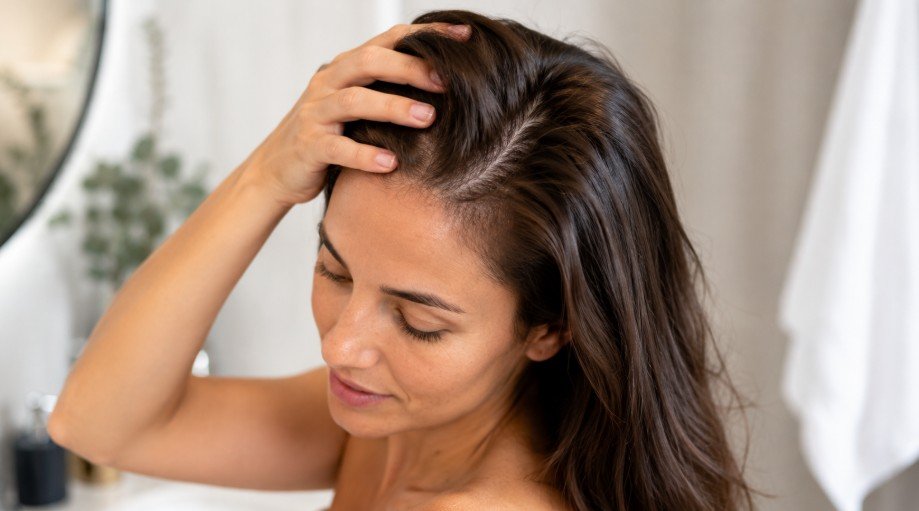
Scalp massages may improve blood circulation around the hair follicles, creating a healthier environment for growth. Using your fingertips for a few minutes each day can become a relaxing addition to your routine.
Many people combine scalp massages with lightweight oils or growth serums to enhance the experience and support scalp hydration.
Explore Rosemary Oil
Rosemary oil has become increasingly popular in the haircare community. If you want a deeper guide before adding it to your routine, this article rosemary oil for hair growth explains how it may support scalp care and healthier-looking strands.
Research suggests it may support hair density and encourage healthier follicle activity when used consistently over time.
Mixing rosemary oil with a carrier oil and applying it to the scalp before washing can be an easy way to incorporate it into your routine.
Understand Dermarolling
Dermarolling, also known as microneedling, involves creating tiny micro-channels in the scalp using a specialized roller. Some users report positive results when combining dermarolling with growth treatments.
Because scalp microneedling requires proper technique, consulting a qualified professional before starting is recommended.
Protect Every Inch Of Growth

Growing hair faster is also about keeping the hair you already have.
Trim Split Ends Regularly
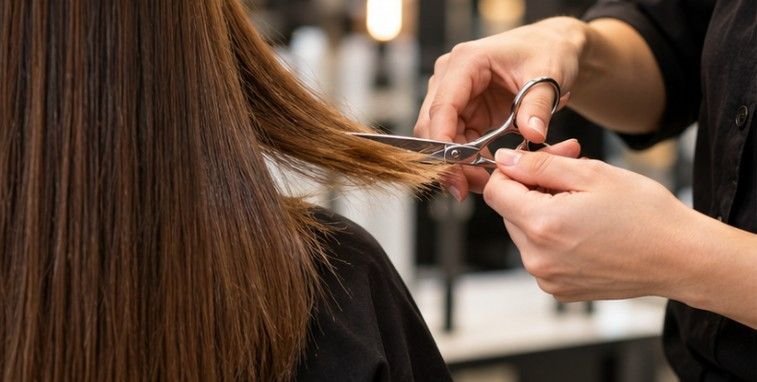
Haircuts do not increase growth speed, but trimming damaged ends prevents splits from traveling higher up the hair shaft. This helps maintain healthier-looking hair and reduces future breakage.
Regular maintenance trims can make hair appear fuller, smoother, and easier to manage over time.
Reduce Heat And Chemical Damage
Frequent use of straighteners, curling irons, bleaching treatments, and harsh chemical processes weakens the hair cuticle. Damaged hair becomes more vulnerable to snapping and thinning.
Whenever heat styling is necessary, use a heat protectant and choose lower temperature settings whenever possible.
Detangle With Care
Wet hair stretches easily and is more likely to break. Using a wide-tooth comb and starting from the ends helps minimize tension and damage during detangling.
Gentle handling may seem simple, but it can significantly improve length retention over the long term.
Consider Proven Growth Treatments
Some treatments offer additional support for those seeking faster results.
Minoxidil For Hair Growth
Minoxidil is one of the most studied hair growth treatments available. This FDA-approved topical solution helps extend the growth phase and may improve hair density in suitable candidates.
Results require consistency and patience, as visible improvements often take several months.
Hair Growth Serums
Modern hair serums often contain peptides, caffeine, amino acids, and botanical extracts designed to support scalp health and strengthen fragile strands.
While individual results vary, quality serums can complement a well-rounded haircare routine focused on growth and retention.
Professional Guidance Matters
Persistent hair loss, excessive shedding, or sudden hair thinning may indicate an underlying medical issue.
For new mothers dealing with shedding after childbirth, these postpartum hair loss remedies can offer more specific support for recovery and regrowth.
A dermatologist can help identify causes and recommend personalized treatment options.
Seeking expert advice ensures you address the root cause rather than relying solely on cosmetic solutions.
How To Grow Hair Faster Step By Step
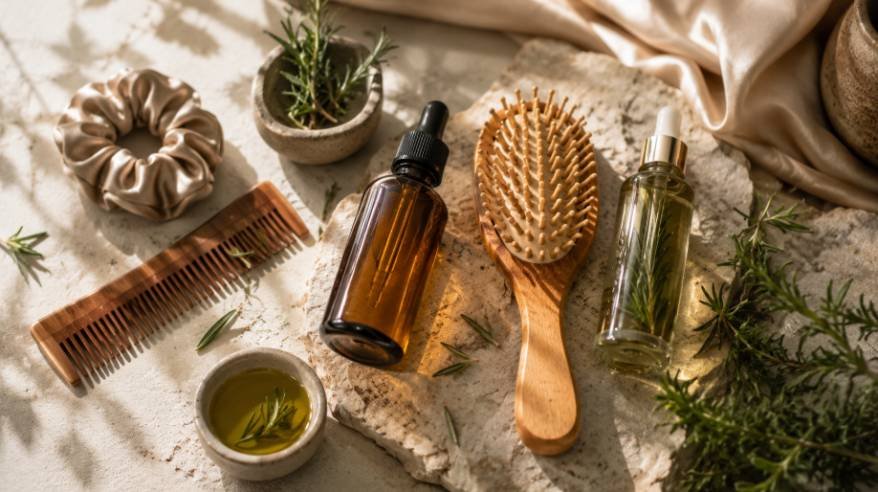
Building healthy hair growth habits does not need to be complicated.
Start by improving your nutrition and ensuring your body receives enough protein, vitamins, and minerals. Healthy hair begins internally, making dietary improvements one of the most effective first steps.
Next, focus on scalp health through regular cleansing, gentle scalp massages, and consistent use of supportive ingredients such as rosemary oil or growth serums. A healthy scalp helps create the ideal environment for stronger hair.
Finally, protect your growing strands by minimizing heat damage, detangling carefully, scheduling maintenance trims, and avoiding overly tight hairstyles. Combining these habits consistently gives your hair the best opportunity to reach its natural growth potential.
Hair Growth Myths Worth Ignoring
Many popular claims about rapid hair growth create unrealistic expectations.
Trimming hair does not make follicles produce hair faster. Hair growth occurs at the scalp, not at the ends. Trims simply help maintain healthier-looking strands.
No shampoo can instantly double your growth rate. While some products support scalp health, they cannot override genetics or dramatically accelerate growth overnight.
Claims promising several inches of growth within days are not supported by biology. Sustainable hair growth takes time, consistency, and patience.
Frequently Asked Questions
1. Can hair grow 2 inches in a month?
For most people, hair cannot naturally grow two inches in one month. Average growth is around half an inch monthly, although reducing breakage can make growth appear more noticeable.
2. How to grow 4 inches of hair in a week?
Growing four inches of hair in a single week is not biologically possible. Instead, focus on protecting existing hair, maintaining scalp health, and following habits that support long-term growth.
3. How to get long hair in 7 days?
You cannot dramatically increase hair length within seven days. However, reducing breakage, improving hydration, and using protective hairstyles can help hair look healthier and fuller.
4. What to do for lupus hair loss?
Lupus-related hair loss often requires medical treatment. Managing inflammation through professional care and following a dermatologist’s recommendations can help improve hair health over time.
Grow It, Don’t Rush It
Learning how to grow hair faster is less about finding a miracle product and more about creating the right conditions for healthy growth. By nourishing your body, stimulating your scalp, preventing breakage, and using proven treatments when needed, you can maximize your hair’s natural growth potential.
Stay patient, stay consistent, and give your hair the care it deserves. Longer, healthier hair is often the result of small habits practiced every day.