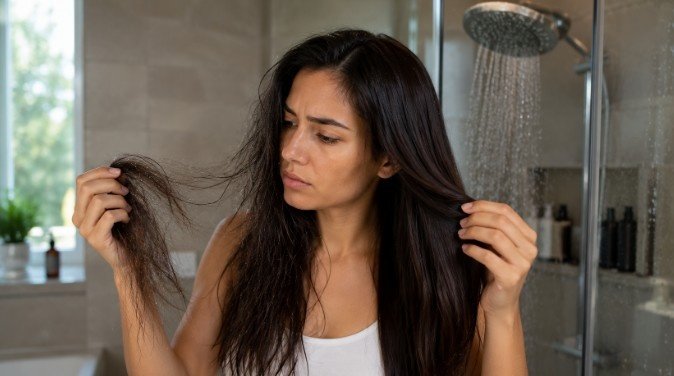
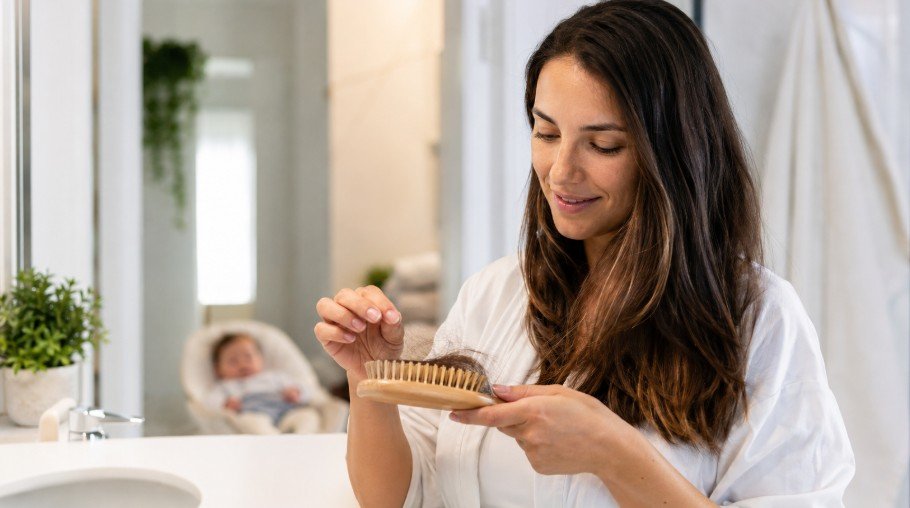
Finding clumps of hair in the shower just months after welcoming your baby can feel frustrating. Many new moms start searching for postpartum hair loss remedies because the shedding often seems sudden and excessive. The good news is that this phase is usually temporary.
With the right hair care habits, nutritional support, and scalp-friendly treatments, you can help your hair look fuller while encouraging healthy regrowth.
Key Takeaways
- Postpartum hair loss is a normal response to changing hormone levels after pregnancy.
- Hair shedding usually peaks around four months postpartum.
- Gentle hair care can help reduce breakage and preserve hair density.
- Nutritional support plays an important role in healthy regrowth.
- Most women see noticeable improvement within six to twelve months.
Every New Mom Goes Through This
Hair on the pillow, hair in the shower, and hair wrapped around every hairbrush can make postpartum recovery feel even more overwhelming. That is exactly why postpartum hair loss remedies have become one of the most searched hair care topics among new mothers.
The experience is incredibly common, yet many women feel unprepared when it happens. Understanding what causes the shedding and what actually helps can make the journey far less stressful and much more manageable.
What Causes Postpartum Hair Loss?
Understanding the reason behind postpartum shedding helps set realistic expectations.
The Hormone Shift Behind Shedding
During pregnancy, rising estrogen levels keep more hair strands in their active growth phase. This is why many women notice thicker, fuller hair while expecting.
After delivery, estrogen levels drop rapidly. The extra hair that remained in the growth phase begins shedding all at once, creating noticeable hair loss over several months.
When Does It Usually Peak?
Most women begin noticing increased shedding between two and four months postpartum. The process often reaches its highest point around the fourth month.
Although the amount of hair loss can feel alarming, it is generally part of the body’s natural adjustment after pregnancy.
Will Hair Grow Back?
In most cases, yes. The hair growth cycle gradually returns to normal, and regrowth becomes visible over time.
Many women notice baby hairs appearing around the hairline between six and twelve months postpartum as new growth develops.
Gentle Hair Care That Makes A Difference
Small changes to your daily routine can help protect fragile strands during this temporary shedding phase. If your water quality is making your hair feel dry, dull, or harder to manage, knowing about hair care with hard water can help you protect fragile postpartum strands more effectively.
Avoid Tight Hairstyles
Tight ponytails, buns, and braids place constant tension on the roots. This additional stress can contribute to breakage and may worsen the appearance of thinning areas.
Choosing loose hairstyles allows the scalp and follicles to remain comfortable while reducing unnecessary pulling.
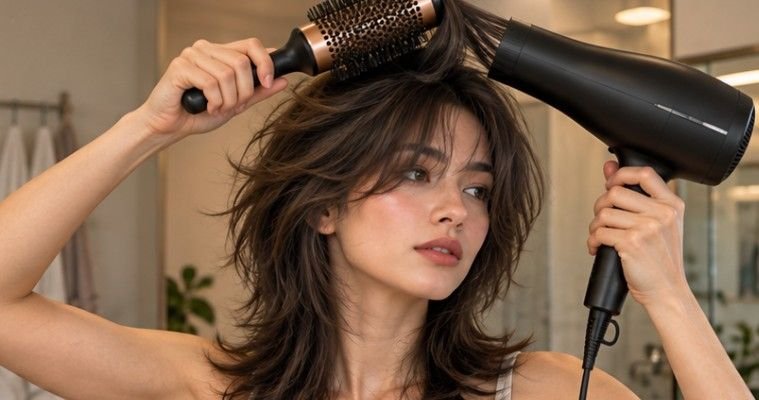
Reduce Heat Styling
Frequent use of curling irons, straighteners, and high-heat blow dryers can weaken already delicate hair strands. Because heat can make fragile postpartum strands snap more easily, following a proper hair breakage treatment routine can help reduce damage while your hair recovers.
Allowing hair to air dry more often and using lower heat settings can help maintain strength and reduce breakage throughout the recovery period.
Choose Volumizing Products
Lightweight volumizing shampoos and conditioners can create the appearance of fuller hair without weighing strands down.
Products designed for fine or thinning hair often add temporary body and lift, helping hair look healthier during regrowth.
Sleep Smarter For Healthier Hair
Your nighttime routine can influence hair health more than you may realize.
Switch To Silk Or Satin
Cotton pillowcases can create friction that leads to tangles and breakage. Silk or satin pillowcases allow hair to glide more smoothly during sleep.
This simple switch can help reduce overnight damage while supporting healthier-looking strands.
Protect Fragile Hair Overnight
Sleeping with hair loosely tied in a soft scrunchie can minimize tangling and friction.
Keeping hair protected while sleeping is a small habit that may contribute to stronger hair over time.
Nutritional Support For Stronger Regrowth
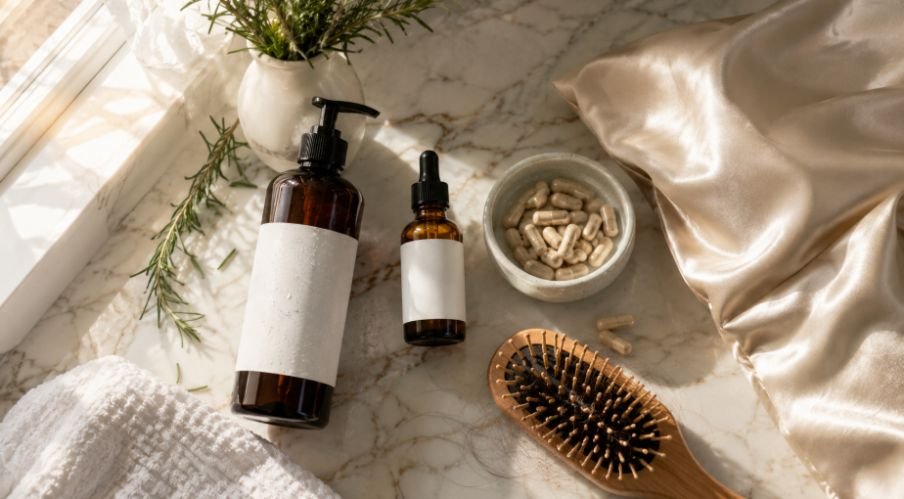
Healthy hair starts from within, especially during postpartum recovery.
Keep Taking Prenatal Vitamins
Many healthcare professionals recommend continuing prenatal vitamins after childbirth, particularly for breastfeeding mothers.
These supplements help provide essential nutrients that support overall wellness and healthy hair growth.
Focus On Hair-Loving Nutrients
Protein, iron, zinc, biotin, vitamin D, and omega-3 fatty acids all play important roles in maintaining healthy hair follicles.
A balanced diet filled with lean proteins, leafy greens, fruits, nuts, and healthy fats can support stronger regrowth.
Consider Postpartum Formulas
Some women choose postpartum-specific supplements designed to support recovery and hair health.
Products formulated for postpartum needs often contain collagen, vitamins, and other nutrients that complement a healthy diet. Always consult a healthcare professional before starting new supplements.
Topical Options To Support Hair Growth
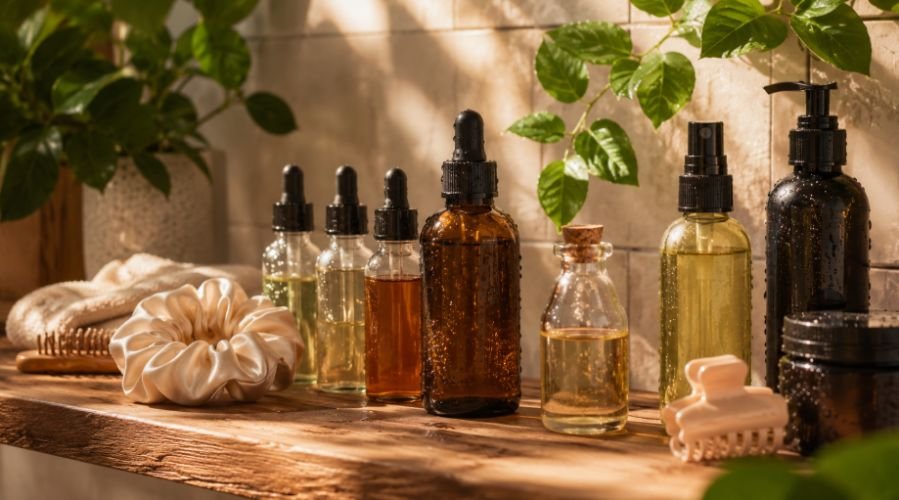
Certain treatments may help create a healthier environment for hair regrowth.
For Mothers Who Are Not Breastfeeding
Women who are no longer nursing may consider dermatologist-recommended treatments such as minoxidil-based products.
These topical solutions are commonly used to encourage hair density and support new growth when used consistently.
For Breastfeeding Mothers
Breastfeeding mothers should prioritize gentle scalp care and products considered safe during nursing.
Peptide-based serums and nourishing scalp treatments can help maintain scalp health while supporting stronger-looking hair.
Keep Your Scalp Healthy
A healthy scalp provides the foundation for healthy hair growth.
Regular cleansing, gentle scalp massage, and avoiding product buildup can help create optimal conditions for recovering hair follicles.
Making Postpartum Hair Loss Remedies Work
Consistency is the secret to seeing results with postpartum hair loss remedies.
Start by improving your hair care routine, nourishing your body with nutrient-rich foods, and protecting your hair from unnecessary damage.
Continue healthy habits daily, even when progress feels slow. Hair growth takes time, but small efforts performed consistently often lead to noticeable improvements over the following months.
The best approach combines gentle styling practices, proper nutrition, supportive supplements when appropriate, and realistic expectations throughout the recovery process.
Frequently Asked Questions
1. How can I reduce my postpartum hair loss naturally?
You can reduce postpartum shedding naturally by eating a nutrient-rich diet, staying hydrated, managing stress, using gentle hair care practices, and avoiding tight hairstyles that create tension on the scalp.
2. What causes post partum hair loss?
Postpartum hair loss is caused by a significant drop in estrogen levels after childbirth. This hormonal change pushes many hair follicles into the shedding phase at the same time.
3. Can prenatal vitamins help with postpartum hair loss?
Prenatal vitamins may help support postpartum recovery by providing important nutrients such as iron, folate, and vitamin D, which contribute to healthy hair growth and overall wellness.
4. When does hair grow back postpartum?
Most women begin noticing visible regrowth within six to twelve months after childbirth. The timeline varies, but postpartum hair loss typically improves as hormone levels stabilize.
Goodbye Hair Panic, Hello Regrowth
Dealing with postpartum shedding can feel discouraging, but postpartum hair loss remedies can help you support healthier, stronger hair throughout the recovery process.
By combining gentle hair care, smart nutrition, scalp-friendly treatments, and patience, you can navigate this temporary phase with confidence.
Remember that postpartum hair loss is usually a normal part of recovery, and healthier hair days are often just around the corner.