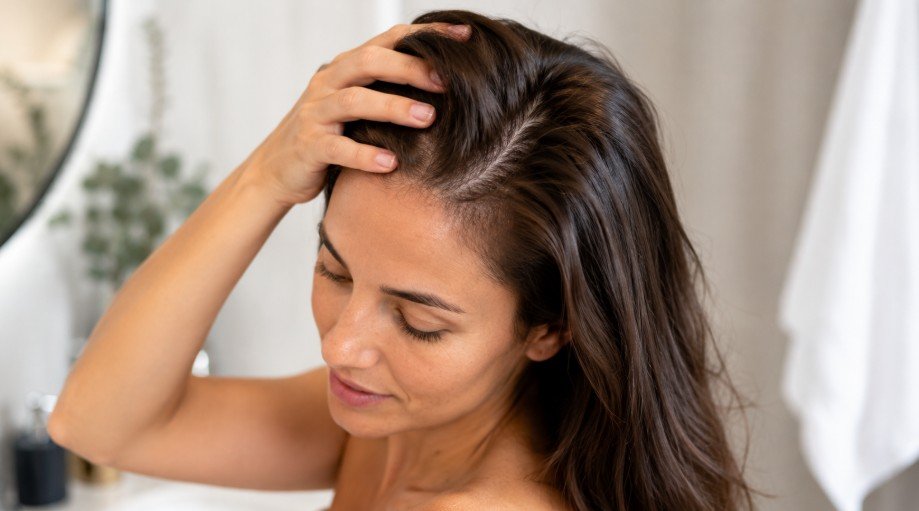
Great hair always seemed to depend on the right shampoo until I learned that the real secret starts much deeper. The signs of an unhealthy scalp are often easy to miss at first, but they can affect everything from hair growth to overall comfort. Understanding these warning signals early can help you maintain a healthy scalp and stronger-looking hair.
Key Takeaways
- A healthy scalp creates the ideal environment for strong hair growth.
- Persistent itching, dandruff, redness, and excessive oil are common scalp warning signs.
- Ignoring scalp symptoms may contribute to hair thinning and increased shedding.
- Lifestyle habits, hair products, and medical conditions can all impact scalp health.
- Early scalp care and professional guidance can prevent more serious concerns.
Why This Topic Deserves Your Attention
Your scalp works hard every day, yet it rarely gets the same attention as your hair.
Think of your scalp as the soil in a garden. Even the healthiest seeds struggle to grow in poor soil. In the same way, beautiful hair depends on a healthy scalp. Learning the signs of an unhealthy scalp helps you catch problems early before they affect hair density, shine, and overall scalp comfort.
More Than Just A Hair Problem
Many people assume scalp concerns are only cosmetic. In reality, persistent irritation, inflammation, or hair buildup can affect hair follicles and disrupt the natural hair growth cycle. Addressing symptoms early often leads to better long-term results.
Small Symptoms Can Signal Bigger Issues
Minor discomfort can sometimes indicate an underlying imbalance. An itchy scalp today could develop into persistent flaking, inflammation, or increased shedding if left untreated. Paying attention to changes helps you take action sooner.
Healthy Vs Unhealthy Scalp
Understanding the difference makes it easier to identify problems.
What A Healthy Scalp Looks Like
A healthy scalp feels comfortable throughout the day. It has balanced oil production, minimal visible flakes, and no persistent redness or irritation. Hair follicles remain clear and supported by a stable scalp environment.
A healthy scalp also promotes consistent hair growth and normal daily shedding. Hair feels stronger because the scalp is functioning properly.
What An Unhealthy Scalp Looks Like
An unhealthy scalp often shows visible and physical warning signs. Common symptoms include irritation, dandruff, excessive oiliness, dryness, redness, tenderness, and unusual hair shedding. The scalp may feel uncomfortable even after washing.
Over time, these issues can affect hair quality and create an environment that is less supportive of healthy growth.
1. Persistent Itching That Won’t Go Away
One of the earliest signs often starts with constant irritation.
Why Your Scalp Feels Itchy
Occasional itching is normal. However, persistent itching may result from scalp inflammation, allergic reactions, dandruff, product buildup, or sensitivity to haircare ingredients. Some people also experience burning or tingling sensations alongside itching.
When Itching Becomes A Concern
Frequent scratching can damage the scalp barrier. If itching occurs daily or disrupts your routine, it may indicate a deeper scalp issue that requires changes to your haircare routine or professional evaluation.
2. Flakes, Dandruff And Visible Scaling
Not all flakes mean the same thing.
Dry Flakes Vs Dandruff
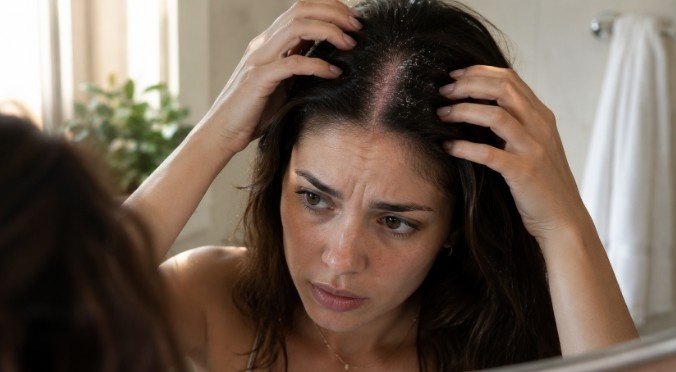
Small white flakes often result from dryness. Dandruff typically appears as larger flakes and may be accompanied by itching. In some cases, yellowish or greasy scales develop due to excess oil and scalp inflammation.
Why Scaling Shouldn’t Be Ignored
Persistent scaling can signal an unhealthy scalp environment. If flakes continue despite regular cleansing, there may be an underlying scalp condition affecting the skin’s natural balance.
3. Excess Oil Or Extreme Dryness
Balance is one of the biggest signs of scalp health.
When The Scalp Gets Too Oily
Hair that becomes greasy within hours of washing deserves attention. Excess sebum can clog follicles, attract dirt, and contribute to scalp acne or irritation. Overproduction of oil often creates discomfort and affects hair freshness.
When Dryness Takes Over
A dry scalp may feel tight and uncomfortable. Flaking, rough texture, and sensitivity often occur when the scalp lacks sufficient moisture or is exposed to harsh cleansing products.
4. Pain, Tenderness, And Sensitivity
A healthy scalp should not hurt.
Scalp Pain Explained
Tenderness may develop due to inflammation or irritation. Some people notice soreness while brushing their hair, resting their head on a pillow, or wearing hats. This discomfort often signals that the scalp needs attention.
Increased Sensitivity
Even gentle touch can sometimes feel uncomfortable. Persistent scalp sensitivity should not be ignored, especially when paired with redness or other symptoms.
5. Redness, Sores And Scalp Bumps
Visible changes often provide important clues.
Red Patches And Irritation
Redness usually indicates inflammation. It may result from allergic reactions, excessive scratching, harsh products, or scalp conditions that affect skin health.
Bumps And Scalp Acne
Small bumps can develop when follicles become clogged. These bumps may feel painful and can worsen if irritation continues. Keeping the scalp clean and balanced is essential.
Scabs And Recurring Sores
Repeated sores are not considered normal. Scabs often develop from scratching, infections, or chronic inflammation. Persistent sores should be evaluated by a dermatologist.
6. Hair Thinning And Excessive Shedding
Your hair can reveal a lot about scalp health.
More Hair In The Shower?
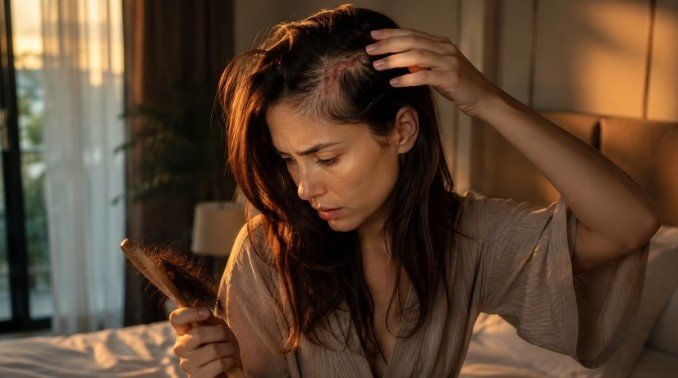
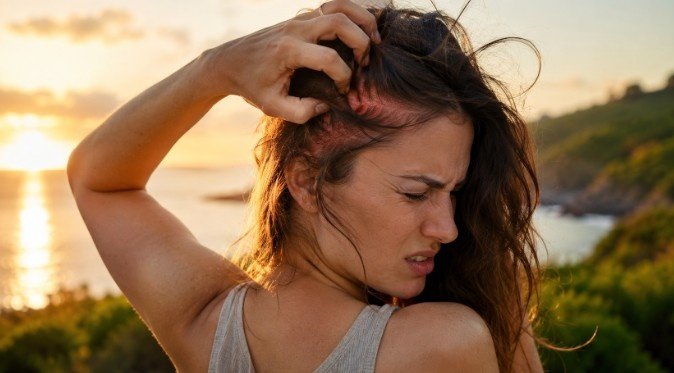
Losing some hair daily is expected. However, shedding significantly more than the typical 50 to 100 strands per day may indicate scalp imbalance, inflammation, or follicle stress.
Thinning Hair Over Time
Weak follicles often struggle to support healthy growth. An unhealthy scalp may gradually contribute to reduced density and noticeable thinning in certain areas. Use rosemary oil for hair growth.
Common Causes Behind Scalp Problems
Understanding the cause is just as important as recognizing symptoms.
Product Buildup
Styling products can accumulate over time. Dry shampoo, hairspray, oils, and conditioners may leave residue that clogs follicles and disrupts scalp balance.
Lifestyle Factors
Daily habits influence scalp health more than many people realize. Stress, poor sleep, nutritional deficiencies, pollution, and excessive sun exposure can all contribute to scalp concerns.
Underlying Scalp Conditions
Some symptoms stem from medical causes. Conditions such as seborrheic dermatitis, psoriasis, eczema, and folliculitis commonly affect scalp comfort and appearance.
How To Care For An Unhealthy Scalp In Real Life
Recognizing symptoms is only valuable if you know what to do next.
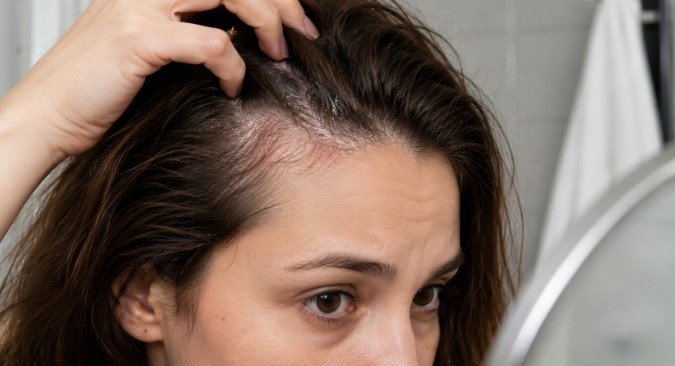
Start by examining your scalp regularly under good lighting and paying attention to changes in itching, flaking, oil production, or sensitivity. Keep track of new products that may trigger irritation and avoid harsh shampoos loaded with chemicals like strong sulfates or unnecessary irritants.
Next, simplify your routine and focus on gentle cleansing. Remove product buildup regularly and avoid overly tight hairstyles that place stress on the scalp. Healthy scalp habits often improve mild symptoms before they become larger concerns.
Finally, monitor how your scalp responds over several weeks. If symptoms continue, worsen, or include bleeding, significant hair loss, or persistent discomfort, seek guidance from a qualified dermatologist for a personalized treatment plan. Understanding the signs of an unhealthy scalp helps you take action before long-term damage occurs.
When To Seek Professional Help
Some symptoms should never be ignored. Persistent itching, severe redness, recurring sores, bleeding, painful inflammation, and noticeable hair loss may require professional evaluation. A board-certified dermatologist can identify underlying scalp conditions and recommend effective treatment options based on your specific symptoms.
Frequently Asked Questions
1. How To Fix An Unhealthy Scalp?
To fix an unhealthy scalp, use gentle haircare products, remove buildup regularly, avoid harsh ingredients, manage stress, maintain a balanced diet, and seek professional advice if symptoms continue or worsen over time.
2. What Are The Warning Signs Of Scalp Problems?
The most common warning signs include persistent itching, dandruff, redness, scalp tenderness, excessive oiliness, dryness, bumps, sores, inflammation, and unusual hair shedding that continues despite routine scalp care.
3. Can High Cortisol Cause Scalp Issues?
Yes. Elevated cortisol levels linked to chronic stress may increase inflammation, affect oil production, weaken the scalp barrier, and contribute to scalp discomfort, irritation, and increased hair shedding.
4. What Does An Unhealthy Scalp Look Like?
An unhealthy scalp may appear red, flaky, greasy, dry, irritated, inflamed, or covered with bumps and sores. It is often accompanied by itching, tenderness, and excessive hair shedding.
Your Scalp Is Talking, Are You Listening?
The signs of an unhealthy scalp are often your body’s way of asking for attention. Persistent itching, dandruff, oiliness, dryness, redness, scalp pain, and unusual shedding should never be dismissed as normal. By recognizing these symptoms early, improving your scalp care routine, and seeking expert help when needed, you can create a healthier foundation for stronger, fuller, and more resilient hair.