
Watching extra hair collect in a brush or shower drain can feel frustrating. That is one reason why rosemary oil for hair growth has become a favorite topic among beauty lovers and hair care experts. This natural remedy has gained attention for its ability to support stronger strands, improve scalp health, and encourage fuller-looking hair without making your routine complicated.
Key Takeaways
- Rosemary oil may help improve hair thickness and reduce shedding.
- It supports scalp circulation and healthier hair follicles.
- Consistent use for several months is essential for visible results.
- Different hair types can benefit from different application methods.
- Always dilute rosemary essential oil before applying it to the scalp.
The Natural Hair Growth Remedy
Hair growth products come and go, but few natural remedies have generated as much excitement as rosemary oil. Social media trends, dermatologist discussions, and scientific studies have all contributed to its growing popularity.
What makes it interesting is that rosemary oil is not just another beauty trend. Research suggests it may support hair regrowth while also improving overall scalp health. That combination has made it a go-to option for people looking for a natural way to care for thinning hair.
What Makes Rosemary Oil So Effective?
Understanding how rosemary oil works can help explain why it has become a popular part of many hair care routines.
Better Blood Flow To Hair Follicles
Healthy hair starts at the scalp. Rosemary oil contains active compounds such as carnosic acid that may help improve blood circulation around hair follicles. Better circulation allows follicles to receive more oxygen and nutrients, creating an environment that supports healthier growth.
Improved blood flow may also help damaged follicles function more efficiently. Over time, this can contribute to stronger and thicker-looking hair.
May Help Reduce DHT Activity
One reason for hair thinning is a hormone called dihydrotestosterone, commonly known as DHT. Excess DHT can shrink hair follicles and shorten the hair growth cycle.
Research suggests rosemary oil may help limit the effects of DHT on hair follicles. While it is not a cure for hair loss, it may help slow the process associated with hormone-related thinning.
Supports A Healthier Scalp
A healthy scalp creates the foundation for healthy hair. Rosemary oil contains natural antimicrobial and anti-inflammatory properties that may help reduce dandruff, soothe irritation, and keep the scalp feeling balanced.
When scalp conditions are under control, hair follicles are often able to function more effectively and support stronger growth.
What Research Says About Rosemary Oil For Hair Growth
Scientific evidence has played a major role in the popularity of rosemary oil.

A Study Worth Noticing
One widely discussed study compared rosemary oil with a commonly used hair growth treatment. After several months of consistent use, participants using rosemary oil experienced similar improvements in hair growth and density.
The findings helped establish rosemary oil as more than just a traditional remedy. It demonstrated that natural ingredients can sometimes offer meaningful support for hair health.
Looking Beyond The Headlines
Although the study produced encouraging results, it is important to understand its limitations. The participant group was relatively small, which means additional large-scale studies would strengthen the evidence.
Even so, the available research and user experiences continue to support rosemary oil as a promising option for people dealing with mild to moderate hair thinning.
Why Consistency Matters
Hair growth is naturally slow. No product can dramatically transform hair overnight. The individuals who reported the best results were those who used rosemary oil regularly over several months. This is why patience and consistency remain essential when adding rosemary oil to a hair care routine.
Rosemary Oil For Hair Growth In Real Life
Knowing how to use rosemary oil correctly can help maximize its potential benefits.
Step 1: Always Dilute It
Rosemary essential oil is highly concentrated and should never be applied directly to the scalp. Mix two to three drops into one tablespoon of a carrier oil such as jojoba oil, castor oil, coconut oil, or argan oil. Dilution helps reduce irritation while allowing the oil to spread evenly across the scalp.
Step 2: Massage And Nourish
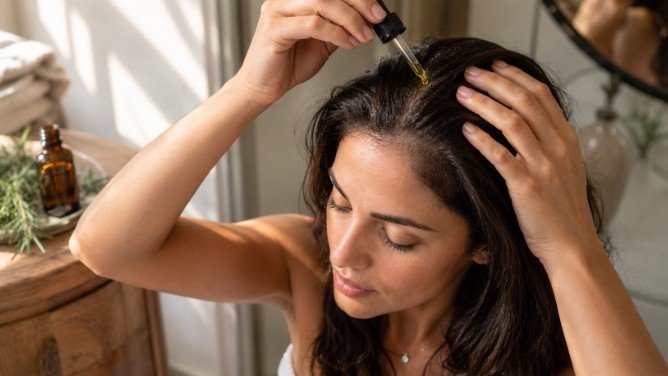
Apply a small amount of the mixture directly onto the scalp. Using your fingertips, gently massage the area for three to five minutes.
The massage process not only distributes the oil but may also encourage additional circulation, creating a relaxing self-care experience.
Step 3: Let It Work
Leave the oil on the scalp for at least two hours. Many people prefer applying it before bedtime and washing it out the next morning. After the waiting period, wash your hair with a gentle shampoo to remove excess oil while maintaining scalp comfort.
Choosing The Right Method For Your Hair Type
Different hair types often respond better to specific application techniques.
Fine Or Thin Hair
People with fine hair may prefer lightweight carrier oils such as jojoba oil. These options provide nourishment without making strands feel heavy or greasy. Applying rosemary oil once or twice a week can help maintain balance while supporting healthy growth.
Curly Or Coily Hair
Curly hair tends to benefit from richer oils such as castor oil. Combining rosemary oil with a weekly scalp detox treatment can help maintain moisture while supporting stronger strands. Regular massages may also help distribute natural oils more evenly throughout textured hair.
Oily Scalp Concerns
For oily scalps, adding a few drops of diluted rosemary oil to shampoo can be a convenient option. This approach provides scalp benefits without contributing excessive heaviness. It also works well for people who prefer a simpler routine.
When Can You Expect Results?
Many people start using rosemary oil hoping for immediate changes, but hair growth requires time.

The First Month
During the first few weeks, the scalp may feel healthier and less irritated. Hair often appears shinier and more manageable. Visible growth is generally minimal during this stage.
Months Two To Three
Many users report reduced shedding and stronger strands. Hair may begin to look fuller even before significant growth becomes noticeable. Consistency remains especially important during this period.
Months Four To Six
This is when many people begin noticing improvements in density and overall hair volume. Regular application often delivers the most visible changes during this stage. Most experts recommend continuing the routine to maintain results.
Smart Safety Tips
Natural ingredients should still be used carefully.
Start With A Patch Test
Before applying rosemary oil to the entire scalp, test a small diluted amount on a patch of skin. This helps identify potential sensitivity or irritation. Waiting 24 hours before full use is a simple precaution.
Keep It Away From Sensitive Areas
Avoid getting rosemary oil near the eyes or mouth. Essential oils are highly concentrated and can cause discomfort if they come into contact with sensitive tissues. Proper dilution further reduces the risk of irritation.
Know When To Seek Professional Help
If hair loss appears suddenly, becomes severe, or is accompanied by other symptoms, consulting a board-certified dermatologist is important.
Underlying medical conditions, nutritional deficiencies, hair damage from hard water or genetic factors may require professional treatment beyond home remedies.
Frequently Asked Questions
1. How do you use rosemary oil for hair growth?
To use rosemary oil for hair growth, mix a few drops with a carrier oil, massage it into the scalp for several minutes, leave it on for at least two hours, then shampoo as usual.
2. How long will rosemary oil take to grow your hair?
Most people need three to six months of regular application before noticing visible improvements. Hair growth is a gradual process, so consistent use is more important than using large amounts.
3. Can rosemary oil help with hyperpigmentation?
Rosemary oil is mainly used for scalp and hair care. Some people use it in skincare routines, but evidence supporting its effectiveness for hyperpigmentation remains limited.
4. Which oil works best for hair loss?
Several oils may support healthier hair, but rosemary oil for hair growth stands out because it has scientific research supporting its role in improving hair density and reducing shedding.
A Fresh Start For Better Hair Days
If fuller, healthier-looking hair is the goal, rosemary oil for hair growth deserves a place on your radar. Its ability to support circulation, promote scalp health, reduce dandruff, and potentially encourage regrowth makes it one of the most promising natural hair care solutions available today.
With proper use, realistic expectations, and consistent application, this simple botanical oil may become one of the most valuable additions to your hair care routine