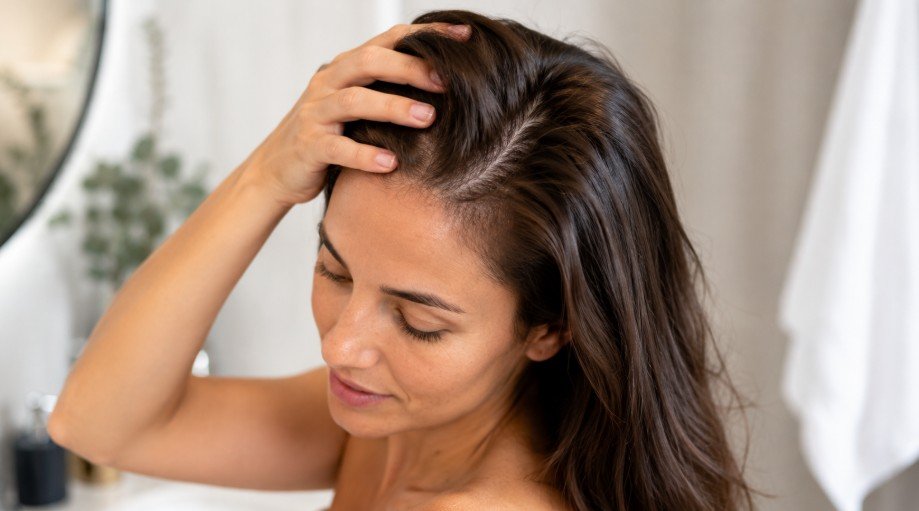
There is a frustrating moment when skin looks dull and thirsty but reacts badly to almost everything meant to fix it. I have found that this is exactly when choosing a facial becomes less about chasing an instant glow and more about protecting the skin barrier while restoring hydration. For me, the best spa facial for dehydrated sensitive skin is one that delivers moisture gradually, keeps exfoliation controlled, and avoids turning already reactive skin into an even bigger problem.
That is why I look beyond flashy spa names and focus on what the treatment actually does. A customized hydrating facial, ultra-gentle hydro-infusion treatment, soothing oxygenation facial, or carefully selected red LED add-on can all work well when the protocol is adapted to sensitive skin. The real goal is simple: help the skin hold onto water, support its protective barrier, and leave it feeling comfortable rather than hot, tight, or irritated.
What Facial Works Best for Dehydrated and Sensitive Skin?
A customized Hydrating Glow Facial or barrier-repair facial is usually the safest starting point.
These treatments can be adjusted for reactive skin and typically focus on gentle cleansing, hydration, soothing serums, and moisture-barrier support. If the skin can tolerate light exfoliation, the esthetician may include a mild enzyme or hydro-infusion step.
I prefer customizable treatments because sensitive skin can behave differently from one week to the next. Cold winters in northern US states, dry indoor heating, summer air conditioning, travel, retinoids, exfoliating acids, and environmental exposure can all make dehydration worse.
The best treatment therefore depends less on the fanciest spa menu name and more on how well the provider adjusts the facial to your skin.
How Do You Know If Your Skin Is Dehydrated and Sensitive?
Dehydrated skin lacks water, while dry skin primarily lacks oil.
That distinction matters. Dehydrated skin can still look oily, especially around the forehead and nose, while feeling tight underneath. It may appear dull, show fine dehydration lines, or make foundation settle into areas that normally look smooth.
Sensitive skin adds symptoms such as burning, stinging, redness, itching, or discomfort after cleansing or applying products.
If my skin feels both oily and tight, reacts to products that usually work well, or becomes red after minor friction, I take that as a sign to choose a gentle hydrating facial rather than an aggressive resurfacing treatment.
Which Spa Facials Are Best for Sensitive, Dehydrated Skin?
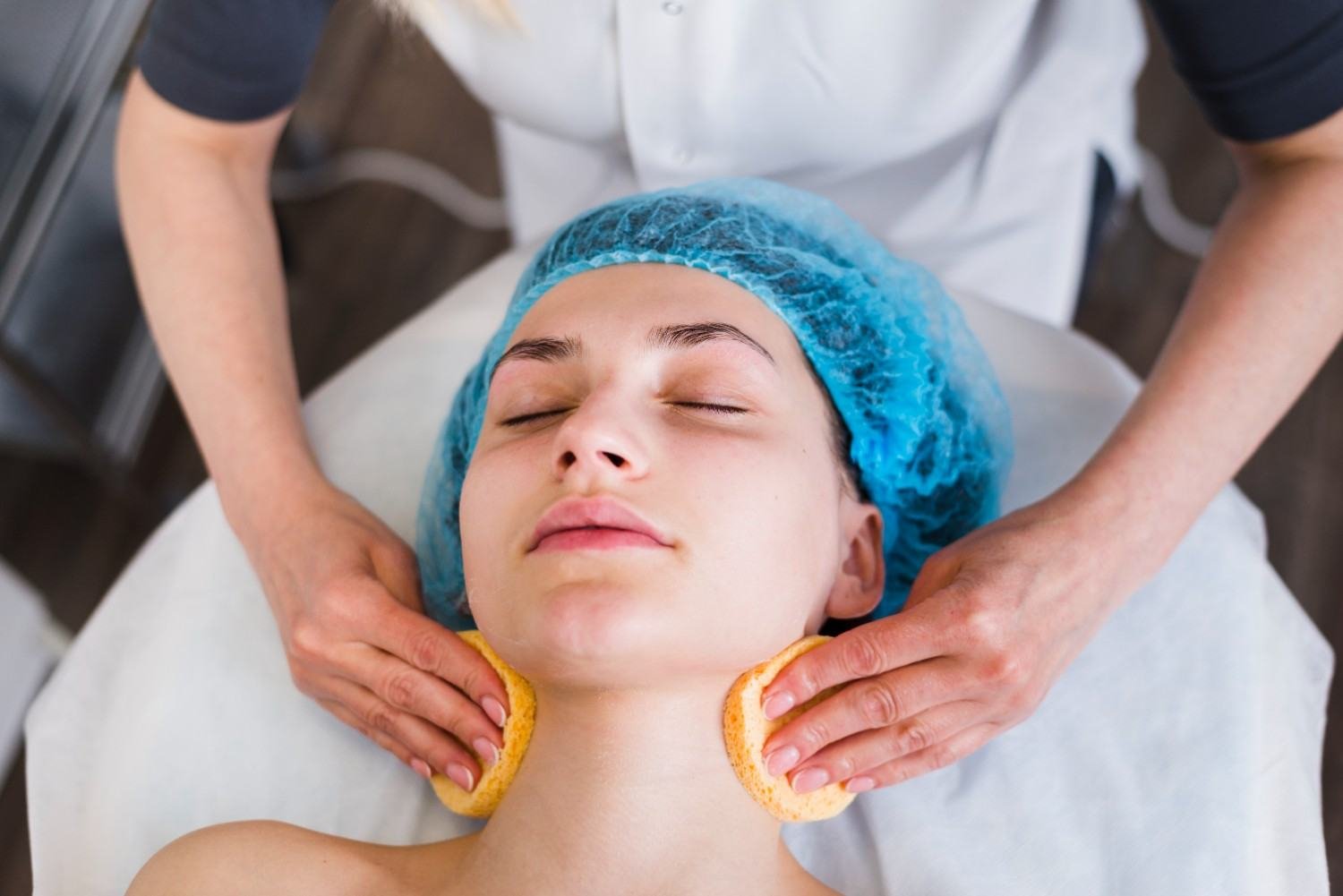
Customized Hydrating Glow Facial
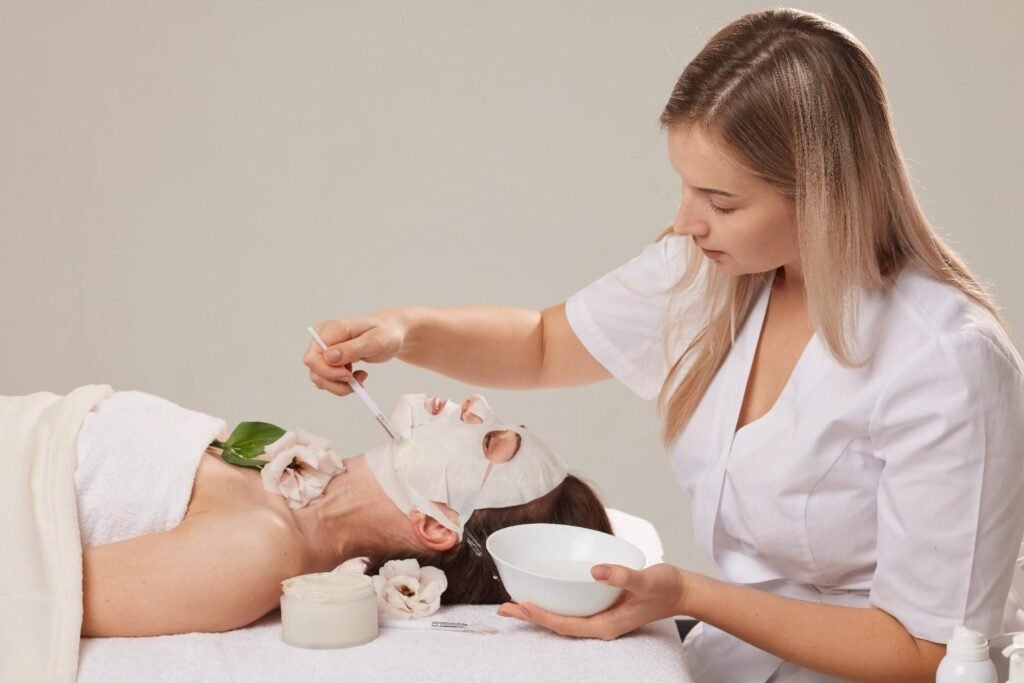
A professional hydrating facial is my first choice when dehydration is the main concern.
The treatment may combine gentle cleansing, humectant-rich serums, a hydrating mask, facial massage, and a barrier-supporting moisturizer. Ingredients such as hyaluronic acid, glycerin, ceramides, panthenol, aloe vera, and colloidal oatmeal can help support hydration and comfort.
The American Academy of Dermatology specifically identifies ingredients such as hyaluronic acid, glycerin, ceramides, and colloidal oatmeal as useful options in products for dry or sensitive skin.
Ultra-Gentle HydraFacial or Hydro-Infusion
HydraFacial is another popular option at US spas, dermatology offices, and med spas.
The treatment uses Vortex-Fusion technology to cleanse, exfoliate, extract, and hydrate the skin while delivering serums. Hydrafacial also allows providers to customize boosters, tips, exfoliation levels, and optional LED therapy.
For sensitive skin, customization is essential.
I would tell the provider about current redness, retinoid use, recent exfoliation, irritation, or barrier damage before starting. The treatment should not be approached as a one-size-fits-all facial simply because it uses water-based technology.
OxyGeneo or Oxygenation Facial
OxyGeneo treatments offer another technology-focused option.
Instead of simply blowing oxygen onto the face, OxyGeneo uses a CO2-generating treatment step intended to trigger a physiological oxygenation response known as the Bohr Effect. The process combines exfoliation, oxygenation, and active ingredient infusion.
For dehydrated skin, the biggest advantage is that the treatment can combine gentle surface renewal with hydrating or nourishing formulas.
However, I would still ask the provider to reduce or skip exfoliation if my skin were currently irritated.
Red LED Light Therapy
Red LED therapy often appears as an add-on to professional facials.
It does not physically scrub the skin, which makes it appealing when I want to avoid extra friction. Research suggests red light may help with concerns such as redness and inflammation, although experts still say more high-quality research is needed for many of the claims surrounding red-light therapy.
I consider it a useful optional addition rather than the main facial itself.
Are Natural Botanical Facials Good for Sensitive Skin?
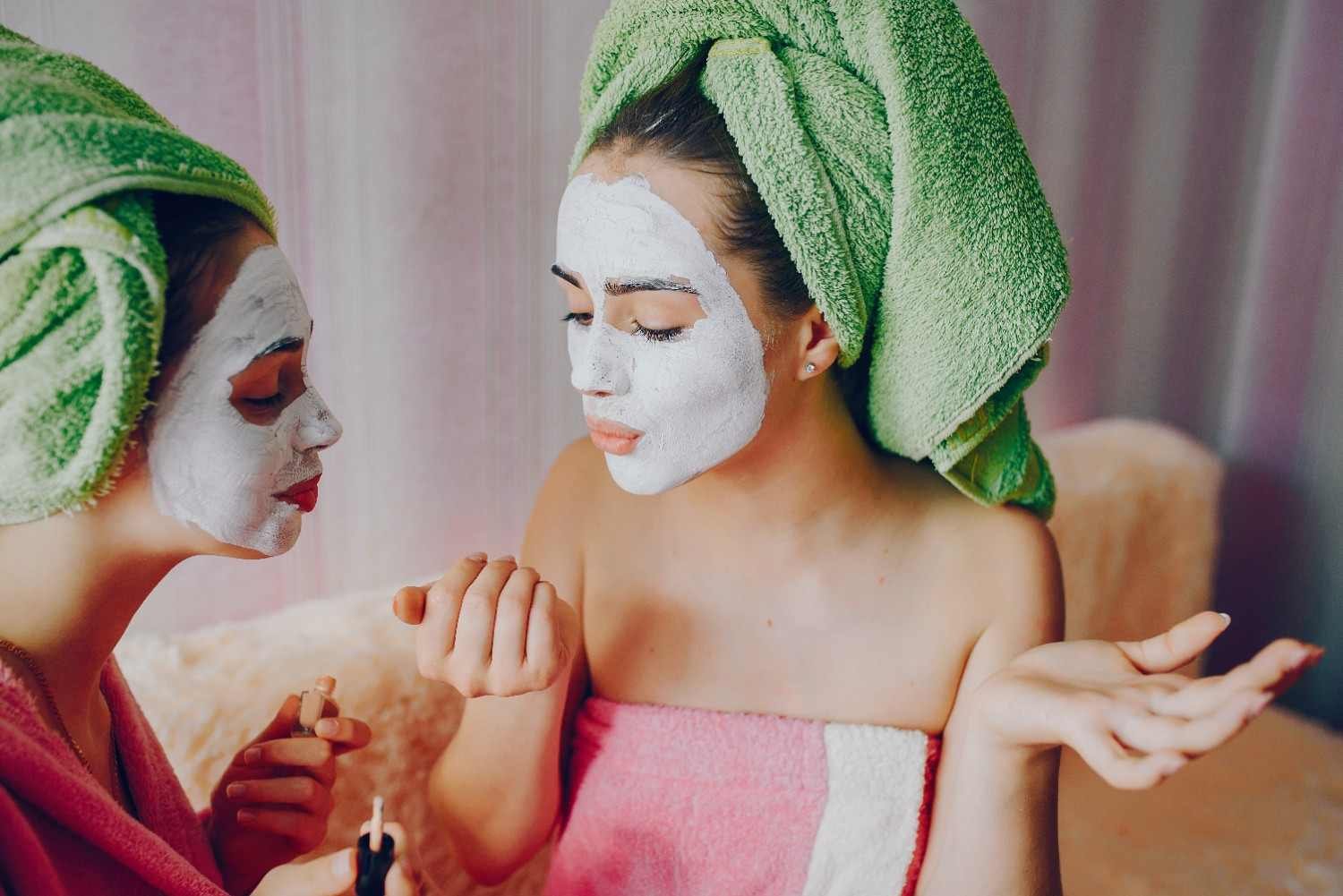
Aloe-based or soothing botanical facials can work well, but “natural” does not automatically mean gentle.
A facial centered on aloe vera, calming moisturizers, colloidal oatmeal, or carefully selected botanical ingredients may feel soothing. A gentle clay product may also work for some skin types.
However, I would avoid assuming that every herbal, essential-oil, or organic formula is safe for sensitive skin. Fragrance and certain botanical extracts can still cause irritation.
The best spa facial for dehydrated sensitive skin should be chosen according to the actual ingredients and treatment intensity, not simply whether the spa describes it as natural.
What Ingredients Should a Hydrating Facial Include?
Hyaluronic acid and glycerin are two of the most useful humectants because they help attract and retain water at the skin surface.
Ceramides are particularly valuable when the moisture barrier feels compromised. Panthenol, aloe vera, allantoin, and colloidal oatmeal can also appear in soothing professional formulas.
For very reactive skin, I prefer fragrance-free treatments whenever possible.
The ingredient list matters just as much as the facial name.
Which Facial Treatments Should Sensitive Skin Avoid?
I become cautious when a treatment relies heavily on physical scrubs, strong chemical peels, prolonged hot steam, aggressive suction, or extensive manual extraction.
Sensitive dehydrated skin does not always need more exfoliation.
If the skin already burns when moisturizer is applied or looks visibly inflamed, adding a strong resurfacing treatment may make the situation worse.
I would also avoid introducing several strong actives in a single appointment. If irritation develops afterward, it becomes difficult to identify the trigger.
What Should You Tell Your Esthetician Before the Facial?
Before treatment, I would clearly explain that my skin is dehydrated and easily irritated.
I would ask the provider to minimize strong acids, abrasive scrubs, excessive heat, and aggressive extraction. I would also request a treatment focused on hyaluronic acid, glycerin, ceramides, aloe, or other barrier-supportive ingredients.
I would mention retinol, prescription acne medication, exfoliating acids, recent peels, sunburn, eczema, rosacea, allergies, and previous reactions to facials.
That consultation can make a bigger difference than choosing a specific branded treatment.
How Should You Care for Your Skin After a Hydrating Facial?
After a facial, I keep my routine deliberately simple.
I use a gentle cleanser, a fragrance-free moisturizer, and broad-spectrum SPF 30 or higher. I avoid strong exfoliating acids, scrubs, and retinoids immediately afterward unless the provider has specifically advised otherwise.
I also avoid introducing new skincare products for a few days.
The goal is to maintain hydration while giving the skin barrier time to stay calm.
How Often Should You Get a Hydrating Facial?
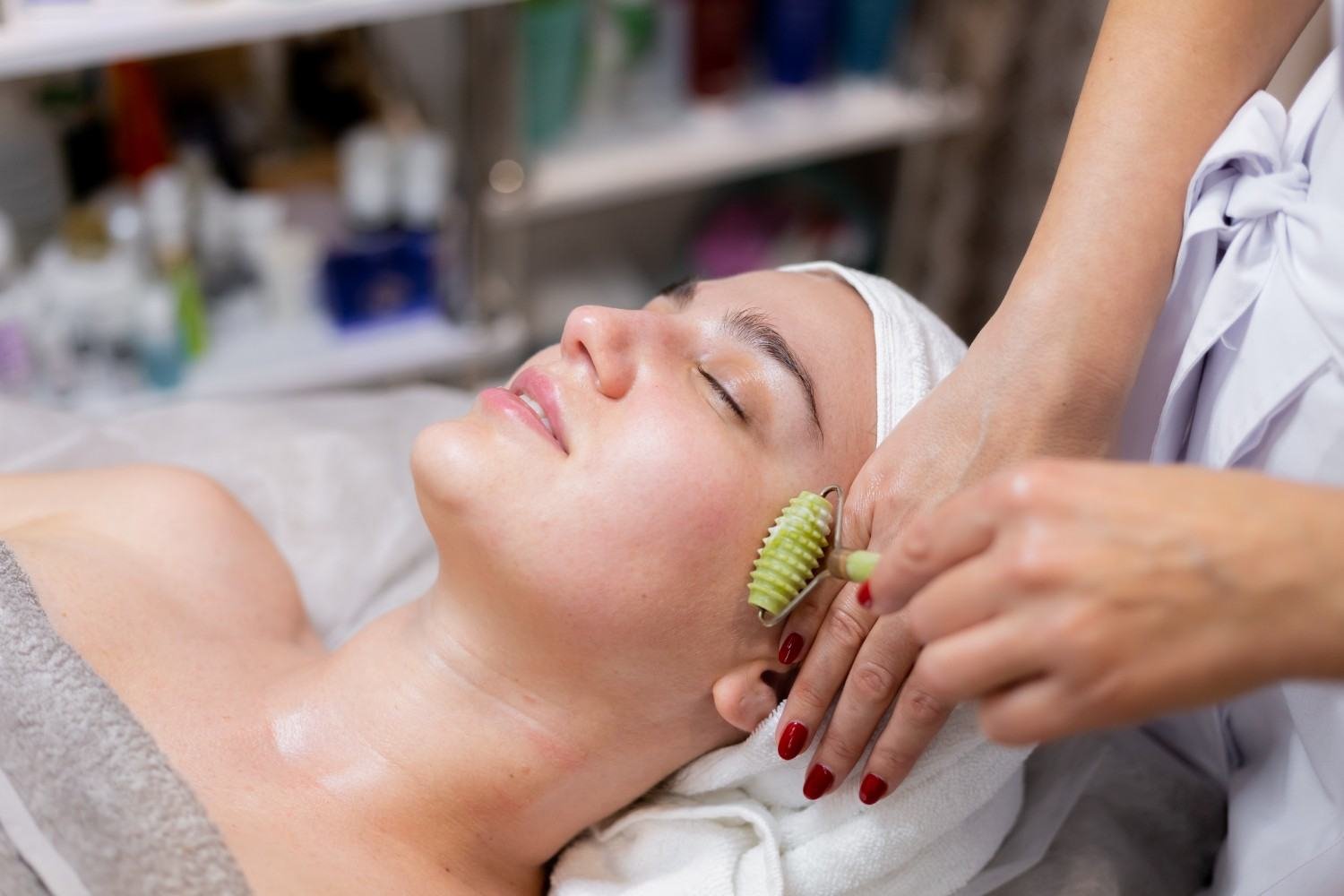
Many people schedule professional facials every four to six weeks, but sensitive skin does not need to follow a rigid calendar.
I would base frequency on how the skin responds.
If your face stays red, uncomfortable, or irritated for several days after every appointment, that may be a sign that the treatment is too aggressive or that you need longer recovery periods.
Frequently Asked Questions (FAQs)
1. What is the best spa facial for dehydrated sensitive skin?
A customized hydrating or barrier-repair facial is usually the best starting point. An ultra-gentle HydraFacial, oxygenation facial, or hydrating treatment with optional red LED therapy may also work well when properly customized.
2. Is HydraFacial safe for sensitive skin?
It can be appropriate for some sensitive skin types, especially because the treatment can be customized. However, exfoliation strength, suction, acids, and boosters should be adjusted according to current sensitivity.
3. Is an oxygen facial good for dehydrated skin?
It may be. Oxygenation-style facials such as OxyGeneo can combine mild exfoliation with hydration and active ingredient delivery, although highly reactive skin may need a gentler protocol.
4. Should I avoid extractions if my skin is sensitive?
Not necessarily, but aggressive extraction can increase redness and irritation. Ask your provider whether extractions can be limited, modified, or skipped.
5. Is red LED therapy good for sensitive skin?
Red LED therapy is noninvasive and may help with redness and inflammation in some people. However, results vary, and people with photosensitive conditions or certain medications should talk with a dermatologist first.
Final Take
When my skin is dehydrated and reactive, I do not choose a facial based on how dramatic the before-and-after photos look. I pay more attention to whether the treatment can restore hydration without challenging an already stressed moisture barrier.
A customized Hydrating Glow Facial, gentle hydro-infusion treatment, OxyGeneo facial, or carefully selected LED add-on can all make sense depending on your skin’s condition. These can also be considered alongside spa treatments for dull tired skin, especially when the goal is to improve radiance without overwhelming sensitive skin. What matters most is choosing an experienced provider who understands reactive skin and is willing to reduce exfoliation, heat, suction, or extractions when necessary.
For me, the smartest facial is not the strongest treatment available. It is the one that leaves sensitive skin looking refreshed while still feeling calm and comfortable.