
Most people notice changes in their hands only after a problem appears. It might start with dry patches during winter, rough skin from frequent washing, or nails that seem weaker than they used to be. By the time cracking, irritation, or discomfort shows up, many realize they have spent years caring for their face while paying very little attention to their hands.
That is what makes a healthy hands guide so valuable. Healthy hands are not created through occasional treatments or expensive products. They come from small daily habits that protect the skin barrier, support nail health, and help maintain comfort and mobility over time. The good news is that these habits are surprisingly simple to adopt.
Why do hands often show wear before the Rest of the Body?
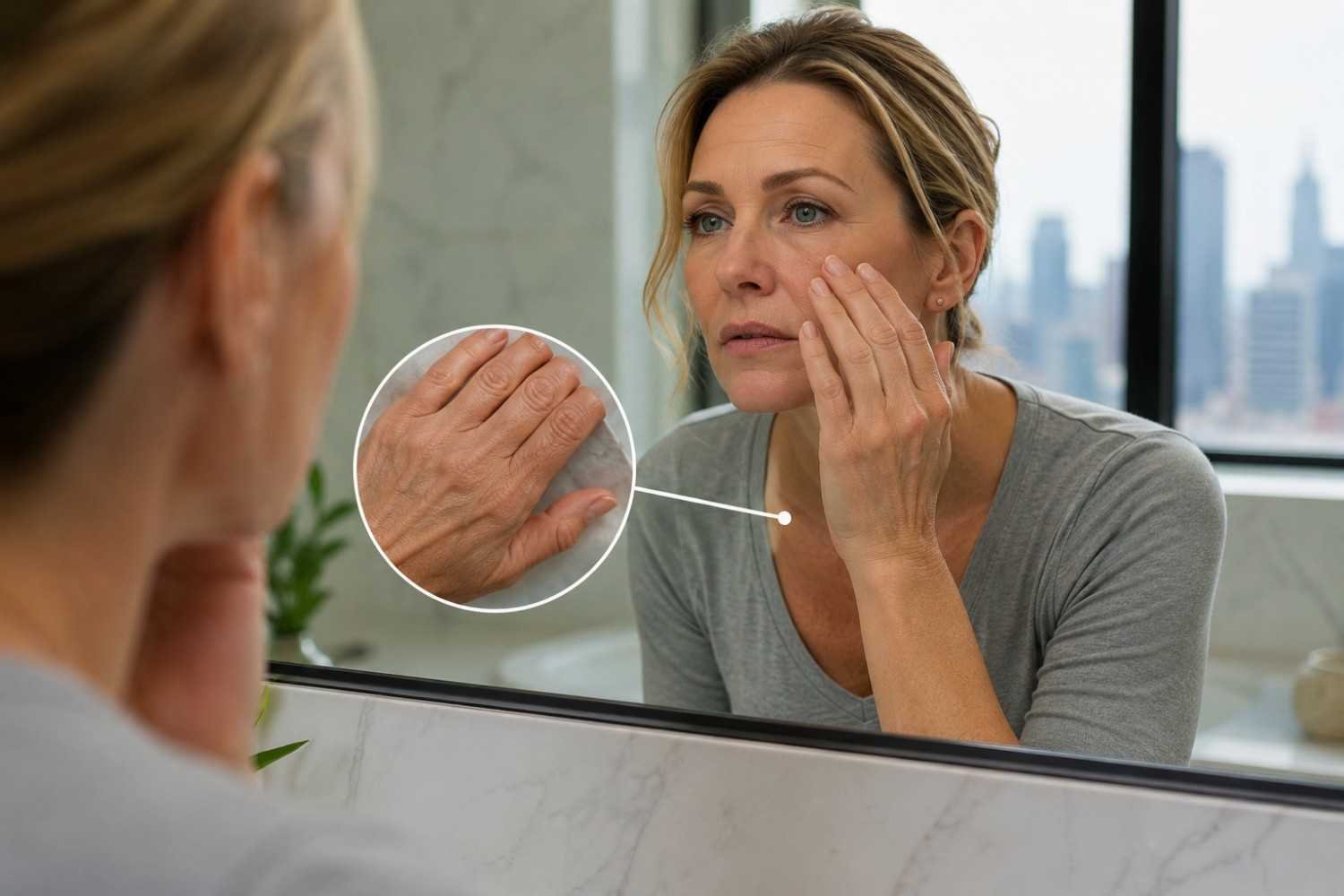
Hands go through more daily stress than most parts of the body. They are exposed to soap, water, cleaning products, changing weather conditions, sunlight, and repeated movement throughout the day.
Frequent handwashing is important, but it can also strip away natural oils that keep skin healthy. Over time, this can lead to dryness, irritation, and even painful cracks. Hand sanitizers can have a similar effect when used repeatedly without replacing lost moisture.
The skin on the hands also tends to show signs of aging earlier because it receives constant exposure to ultraviolet light and environmental factors. That is why maintaining skin hydration and protecting the skin barrier are essential parts of long-term hand care.
The Washing Habits That Protect Rather Than Damage
Many people focus on washing their hands frequently but rarely think about how they wash them.
Hot water may feel comforting, especially during colder months, but it can weaken the skin barrier and increase moisture loss. Lukewarm water is a better choice because it cleans effectively without causing unnecessary irritation.
The type of cleanser matters too. Fragrance-free and gentle cleansers are often recommended because they remove dirt while reducing the likelihood of dryness. Harsh soaps can leave skin feeling tight and uncomfortable, particularly for people with sensitive skin.
After washing, avoid aggressively rubbing your hands dry. Instead, gently pat them and leave a small amount of moisture on the skin. This creates the perfect opportunity for a moisturizer to lock hydration into the skin barrier.
The Moisturizing Step Most People Skip

One of the biggest differences between healthy hands and chronically dry hands is consistency.
Moisturizer works best when applied immediately after handwashing. Waiting even a few minutes allows moisture to evaporate, making the skin more vulnerable to dryness.
Many dermatologists recommend keeping hand cream in places where it will actually be used. A tube near the sink, one at your desk, and another in your bag can make the habit easier to maintain.
When choosing products, thicker options often outperform lightweight lotions. Barrier creams, ceramide-rich formulas, and ointments help slow moisture loss and support skin repair. They are especially useful during colder months or in dry indoor environments.
An overnight treatment can also make a noticeable difference. Applying a generous layer of moisturizer before bed and wearing cotton gloves helps create an environment where skin can recover while you sleep.
Healthy Nails Start With Healthy Skin
Strong nails are often seen as a separate beauty goal, but nail health and hand health are closely connected.
Dry cuticles can lead to hangnails, irritation, and brittle nails. Regular use of cuticle oil helps maintain flexibility and hydration around the nail bed. This simple step can improve both comfort and appearance over time.
Picking at cuticles or using harsh nail products repeatedly can weaken the surrounding skin. Instead, gentle maintenance tends to produce better long-term results.
Many people searching for simple beauty habits for hands and feet focus primarily on appearance. However, healthy nails often reflect consistent care rather than cosmetic treatments alone.
Protecting Your Hands From Everyday Damage

A surprising amount of hand damage occurs during routine activities at home.
Washing dishes, handling cleaning products, gardening, and preparing acidic foods can all place stress on the skin barrier. Wearing waterproof gloves during these tasks creates a protective layer between your skin and irritating substances.
Cold weather presents another challenge. Low humidity and strong winds can quickly dry out exposed skin, making gloves an important part of seasonal hand care.
Sun protection also deserves more attention. Applying broad-spectrum sunscreen to the backs of the hands can help reduce age spots and premature skin aging caused by daily UV exposure.
These habits may seem minor, but they accumulate over time and often determine how healthy your hands look and feel in the future.
Hand Health Goes Beyond Skin Care
A healthy hands guide should not focus only on skin.
The muscles, tendons, and joints in the hands support countless daily tasks. Repetitive movements, prolonged typing, and sustained gripping can contribute to stiffness and discomfort over time.
Simple grip exercises using a stress ball or soft foam ball can help maintain mobility and strength. Gentle squeezing exercises performed regularly may support dexterity and hand function as people age.
Taking breaks during repetitive activities is equally important. Small adjustments throughout the day often reduce strain more effectively than waiting until discomfort develops.
If persistent pain, stiffness, cracking, bleeding, or skin irritation continues despite good care, consulting a dermatologist or healthcare professional is the best next step.
FAQs: The Healthy Hands Guide People Wish They Started Following Earlier
1. How often should I moisturize my hands?
Ideally, after every handwashing session and before bed. Consistent moisturizing helps maintain the skin barrier and prevent dryness.
2. Is hand sanitizer worse for skin than soap?
Both can dry the skin. The key is following either method with a quality moisturizer when possible.
3. Can sunscreen really help hand health?
Yes. Daily SPF helps protect against UV damage, premature aging, and age spots that commonly appear on the hands.
4. When should I see a dermatologist?
Seek professional advice if your hands frequently crack, bleed, itch, or develop persistent irritation despite regular care.
The Habits Your Hands Notice Every Day
Healthy hands are rarely the result of one product or treatment. They reflect small decisions repeated consistently over time. Using gentler cleansers, applying moisturizer after washing, protecting skin during chores, caring for cuticles, and maintaining hand strength may not seem dramatic in the moment. Yet these habits often determine whether hands remain comfortable, resilient, and healthy for years to come. The people who see the best results are usually not doing more. They are simply doing the basics consistently.
Your hands work hard every day. Taking care of them should not be an afterthought.