Good curl days can feel like a lucky surprise, while bad ones often leave you wondering what went wrong. After trying countless products and techniques, one thing became clear: a consistent curly hair care routine makes all the difference. With the right balance of cleansing, hydration, styling, and protection, curls can stay defined, soft, and manageable without feeling complicated.
Key Takeaways
- A curly hair care routine works best when moisture is the main focus.
- Hair porosity helps determine which products will perform best.
- Styling curls on soaking wet hair improves definition and reduces frizz.
- Weekly deep conditioning keeps curls healthy and elastic.
- Nighttime protection helps preserve curl shape and prevent breakage.
Why Every Curl Deserves A Routine
Curls have personality. Some days they cooperate beautifully, and other days they seem to do the exact opposite of what you want. That unpredictability is often linked to how much moisture your hair receives and how consistently it is cared for.
A proper curly hair care routine helps reduce frizz, improve curl definition, and prevent dryness. Instead of constantly fixing curl problems, you create healthy habits that support stronger, shinier curls over time.
Many people focus only on styling products, but healthy curls start with the basics. Cleansing, conditioning, hydration, and protection all work together to create long-lasting results.
Know Your Curl Type
Understanding your curl pattern makes choosing products much easier.
Type 2 Wavy Hair
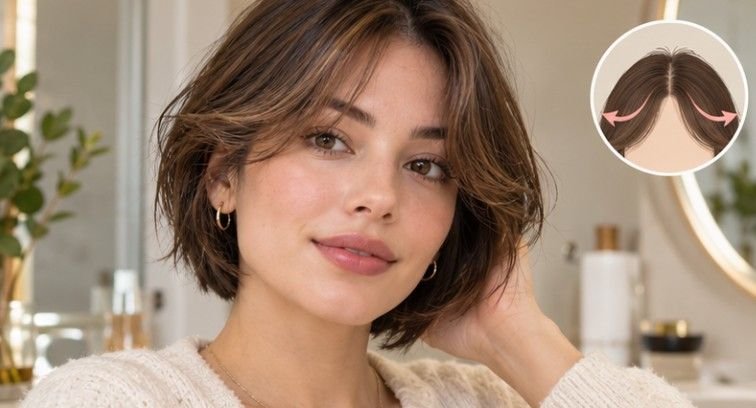
Wavy hair sits between straight and curly textures. It benefits from lightweight products that enhance shape without weighing strands down.
Waves often need moisture but can become greasy if products are too heavy. Lightweight leave-ins and mousses usually provide the best balance.
Type 3 Curly Hair
Type 3 hair includes springy curls and ringlets that naturally need more hydration. Curl creams and leave-in conditioners help maintain softness and shape.
These curls tend to respond well to layering moisturizing products while avoiding excessive heat styling.
Type 4 Coily Hair
Coily hair has tighter curl patterns and often experiences faster moisture loss. Rich conditioners and protective styles help maintain healthy strands. Regular deep conditioning can improve elasticity and reduce breakage, especially for highly textured hair.
Understand Your Hair Porosity
Hair porosity affects how moisture enters and leaves your hair.
Low Porosity Hair
Low-porosity hair has tightly closed cuticles. Products often sit on the surface rather than absorbing quickly. Lightweight formulas and occasional warm steam treatments can help improve moisture absorption without causing buildup.
Medium Porosity Hair
Medium-porosity hair generally maintains a healthy moisture balance. It usually responds well to most moisturizing products and styling routines. This hair type often requires less troubleshooting because it absorbs and retains moisture efficiently.
High Porosity Hair
High-porosity hair absorbs moisture rapidly but loses it just as quickly. It often feels dry and frizzy despite frequent conditioning.
Rich creams, protein treatments, and sealing oils can help lock in hydration and improve curl definition.
Cleanse And Condition
Healthy curls begin with a strong wash-day foundation.
Choose A Gentle Cleanser
Wash your hair one to three times per week depending on your scalp needs and lifestyle. Frequent washing can strip away natural oils that curls rely on for moisture.
A sulfate-free shampoo is usually the best choice because it cleanses without causing excessive dryness.
Support Scalp Health
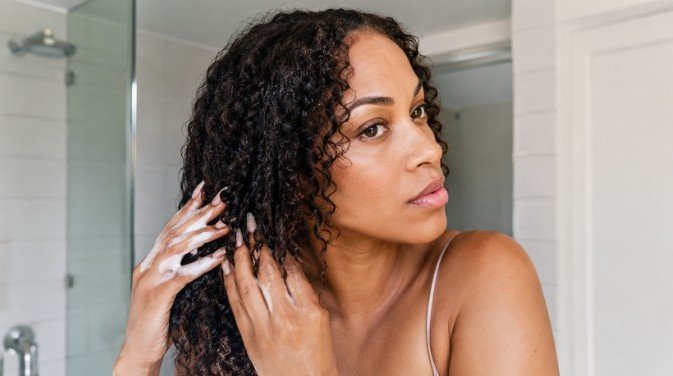
If your scalp experiences heavy buildup, occasional use of a scalp-focused cleanser containing salicylic acid may help remove excess oil and product residue. A healthy scalp creates a better environment for healthy curl growth and long-term hair health.
Condition With Care
Apply a rich conditioner from mid-lengths to ends while your hair is fully saturated. Use a wide-tooth comb or your fingers to gently remove tangles. Rinsing with cool water can help smooth the cuticle and support moisture retention.
Prep And Hydrate
Hydration is the foundation of every successful curly hair care routine.
Apply Leave-In Conditioner
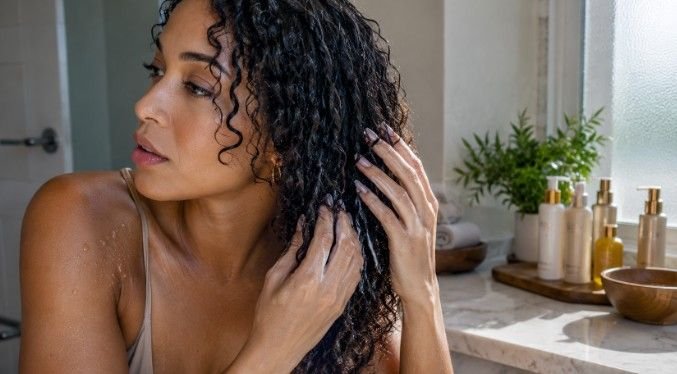
While hair is soaking wet, distribute leave-in conditioner evenly throughout your curls. This creates a moisture barrier that helps reduce frizz throughout the day. Well-hydrated curls generally hold their shape longer and feel softer to the touch.
Add Curl Cream
Work a curl cream through your hair to improve definition and support your natural curl pattern. Fine hair usually performs best with smaller amounts, while thicker textures can benefit from more generous application.
Focus On Moisture Retention
Allow products to coat each section evenly before moving to styling products. Proper preparation creates a smoother finish and longer-lasting curls.
Style And Define
This stage brings your curls to life.
Scrunch For Shape
Apply a curl-defining gel or mousse and scrunch upward toward the roots. This technique encourages curl formation while helping products distribute evenly. Styling on soaking wet hair often delivers the best definition and reduces frizz.
Encourage Curl Clumping
A styling brush can help group strands together into more defined curl sections. This creates smoother curl patterns and helps curls maintain their shape after drying.
Let The Cast Form
Avoid touching your hair immediately after styling. As the gel dries, a temporary cast may develop around the curls. Once completely dry, gently scrunch out the cast to reveal soft, bouncy curls with enhanced definition.
Dry Without Damage
Drying methods play a major role in final curl results and help treating hair breakage.
Air-Dry Naturally
Air-drying minimizes heat exposure and helps preserve natural curl texture. Allow curls to dry undisturbed for the best results.
Diffuse For Faster Results
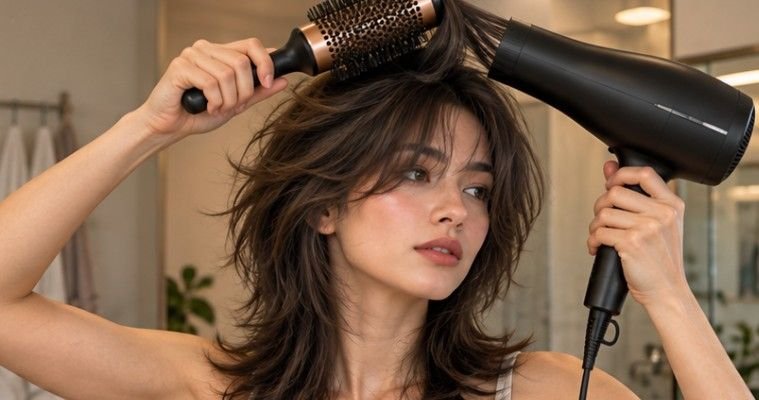
A diffuser attachment helps dry curls more quickly while reducing frizz and maintaining curl structure. Use low heat and low airflow settings to protect hair health.
Avoid Rough Handling
Traditional towels can create friction that leads to frizz. Microfiber towels or soft cotton T-shirts are much gentler on curls.
Nighttime Curl Protection
Great curls deserve protection while you sleep.
Switch To Satin
Satin or silk pillowcases reduce friction and help prevent tangles, frizz, and breakage overnight. This simple change can noticeably improve next-day curls.
Try The Pineapple Method
Gathering curls loosely on top of your head helps preserve shape and volume while sleeping. Many curl enthusiasts rely on this technique to extend wash-day results.
Refresh In The Morning
A light mist of water and leave-in conditioner can quickly revive flattened curls without requiring a full wash.
Weekly Care And Long-Term Maintenance
Healthy curls need ongoing support beyond daily styling.
Deep Condition Weekly
A deep conditioning treatment every one to two weeks helps restore moisture and improve elasticity. This step is especially helpful for dry, color-treated, or damaged curls.
Use Protein When Needed
Protein treatments can strengthen weak strands and improve curl structure when hair feels overly soft or stretchy. Balance is important because too much protein can make hair feel stiff.
Schedule Regular Trims
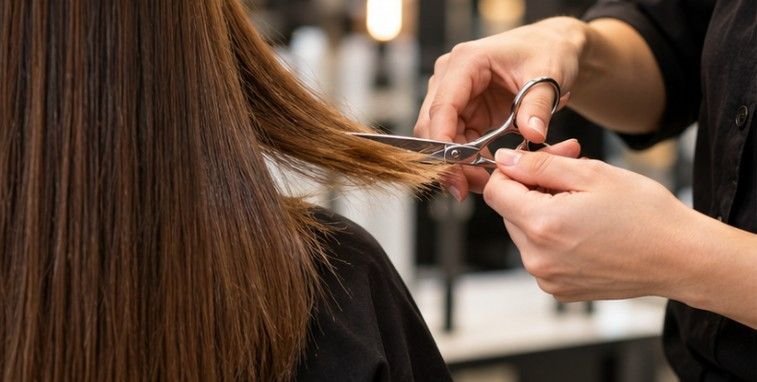
Trimming every six to twelve weeks helps remove split ends and maintain your curl shape. Consistent trims support healthier-looking curls and reduce breakage.
Frequently Asked Questions
1. What is a good daily routine for curly hair?
A good daily curly hair care routine includes refreshing curls with water or leave-in conditioner, minimizing unnecessary touching, protecting hair from friction, and sleeping on a satin pillowcase to maintain moisture and definition.
2. What are the steps to a good curly hair routine?
The basic steps include cleansing with a gentle shampoo, conditioning thoroughly, applying leave-in conditioner, styling with curl cream and gel, drying carefully, and protecting curls overnight for lasting definition.
3. Is salicylic acid good for curly hair?
Yes, salicylic acid can benefit curly hair by removing scalp buildup, excess oil, and product residue. It supports scalp health when used occasionally as part of a balanced hair care routine.
4. Does minoxidil make your hair curlier?
Some people notice texture changes or increased curl formation in new growth after using minoxidil. Results vary significantly, and curlier hair is not a guaranteed outcome for every user.
Let Your Curls Steal The Spotlight
Building the perfect curly hair care routine does not require dozens of products or complicated techniques. The real secret is understanding your curl type, knowing your hair porosity, maintaining consistent hydration, and protecting curls from unnecessary damage. With a thoughtful routine and a little patience, healthy, defined, and frizz-free curls can become your new normal instead of an occasional surprise.