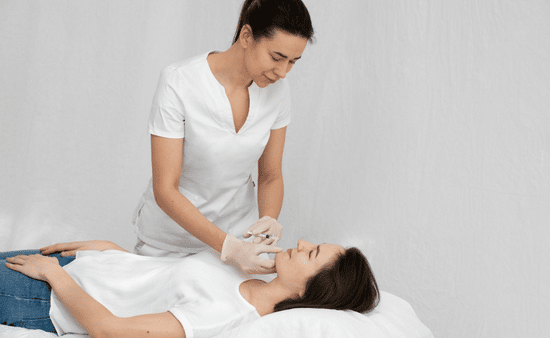
Trying a med spa treatment for the first time can feel exciting, but also a little confusing. With so many options like HydraFacial, light chemical peels, laser hair reduction, and microdermabrasion, it is easy to wonder which one is actually safe to try first.
That is why medical spa services for beginners should start with simple, low-downtime treatments that refresh the skin without making the experience feel overwhelming.
I always believe your first med spa visit should feel more educational than intimidating. The right provider should explain your skin needs, walk you through each treatment, and help you choose an option that fits your comfort level, budget, and beauty goals.
What Is a Medical Spa and How Is It Different From a Day Spa?
A medical spa, often called a med spa, offers cosmetic treatments in a professional setting with medical oversight. A regular day spa may offer massages, basic facials, waxing, and body treatments.
A med spa can offer advanced skin and aesthetic services such as HydraFacial, light chemical peels, laser hair reduction, microdermabrasion, Botox, fillers, microneedling, and medical-grade facials.
The biggest difference is the level of treatment. A regular facial may cleanse and hydrate the surface of your skin. A med spa treatment may exfoliate deeper, stimulate skin renewal, target hair follicles, soften wrinkles, or improve discoloration.
Many people also seek advanced treatments such as a Spa Facial for Acne Scars, which can help improve skin texture, reduce the appearance of post-acne marks, and support a smoother, more even-looking complexion through targeted exfoliation and rejuvenation techniques.
That does not mean every treatment is intense. Many beginner-friendly med spa options are non-invasive, require zero to minimal downtime, and create visible results quickly.
What Are the Best Med Spa Treatments for First-Time Clients?
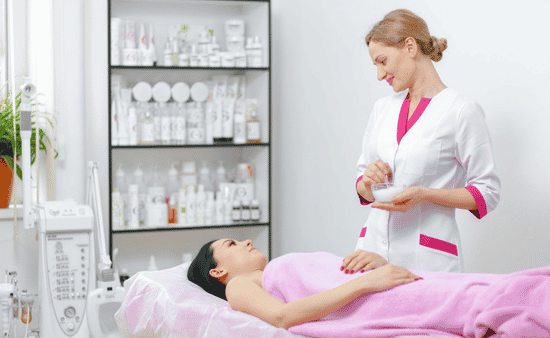
The best beginner treatments usually share a few things in common. They are low discomfort, easy to recover from, and helpful for common skin concerns. I always believe beginners should start with treatments that improve skin health first before moving into more advanced cosmetic procedures.
Is HydraFacial a Good First Med Spa Treatment?
HydraFacial is one of the most popular first-time med spa treatments because it gives the skin an instant fresh look without downtime. It is a medical-grade resurfacing treatment that clears out pores, gently exfoliates dead skin, and hydrates the face with targeted serums.
The treatment uses a specialized wand with vortex-style suction to loosen buildup, remove blackheads, and infuse the skin with moisture-rich ingredients. Many people describe it as feeling like a cool massage rather than a harsh procedure.
HydraFacial is ideal for beginners because it is painless, quick, and suitable for many skin types. It can help with dullness, clogged pores, rough texture, and dry-looking skin. If you want a glow before a work event, vacation, or wedding weekend, this is often one of the easiest treatments to try first.
Are Light Chemical Peels Safe for Beginners?
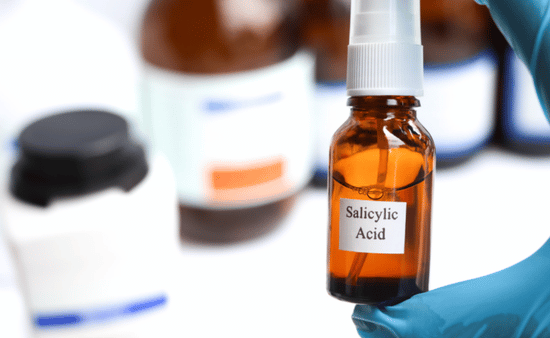
Light chemical peels can be a smart beginner choice when a trained provider selects the right strength for your skin. These peels use mild exfoliating acids such as glycolic acid, lactic acid, or salicylic acid to remove the outer layer of dull, damaged skin cells.
Many light peels are called “lunchtime peels” because they can brighten the skin and smooth texture without heavy peeling or long recovery. They may help with mild acne, uneven tone, early sun damage, and rough patches.
A beginner should avoid starting with a deep peel unless a qualified medical professional recommends it. A light peel gives you a safer way to understand how your skin reacts to chemical exfoliation. After any peel, daily broad-spectrum SPF 30 or higher is important because fresh skin can become more sensitive to sun exposure.
Is Laser Hair Reduction Beginner-Friendly?
Laser hair reduction is another easy-to-understand med spa treatment for beginners. It targets unwanted hair on areas such as the underarms, upper lip, chin, legs, bikini line, chest, or back. The laser uses concentr
ated light to target pigment in the hair follicle, which helps reduce future hair growth over a series of sessions.
Modern laser devices often include cooling technology, so the sensation may feel like a quick rubber band snap rather than severe pain. If you feel nervous, starting with a small area like the underarms or upper lip can make the process less intimidating.
For US clients with deeper skin tones, the consultation matters. Not every laser device works the same way for every skin tone and hair type. A reputable med spa should explain whether its technology is appropriate for your skin and how many sessions you may need.
Is Microdermabrasion or Skin Polishing Good for First-Timers?
Microdermabrasion, sometimes called skin polishing, is a non-chemical exfoliation treatment that refreshes the skin surface. It uses either fine micro-crystals or a diamond-tipped wand to gently buff away dead skin cells.
This treatment can make the skin feel smoother almost immediately. It may also help skincare products absorb better because it removes buildup from the outer layer of the skin. Beginners often like microdermabrasion because it does not involve needles, lasers, or chemical acids.
It works best for people who want a simple skin refresh, softer texture, and a cleaner surface glow. However, if you have very sensitive skin, active acne, rosacea, or a compromised skin barrier, your provider may recommend a gentler option first.
Should Beginners Try Botox or Fillers?
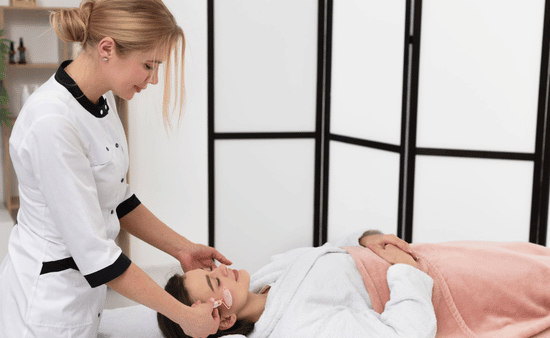
Botox and dermal fillers are popular med spa services, but I would not treat them the same as a facial or light peel. Botox can soften expression lines on areas like the forehead, between the brows, and around the eyes. Fillers can add volume or shape to areas like the lips, cheeks, jawline, or under-eye region.
These treatments can look natural when performed by a skilled injector, but they require more trust, planning, and medical judgment. If you are completely new to med spas, start with a consultation before deciding. Ask what product they use, how much they recommend, what side effects are possible, and how they handle complications.
A conservative approach usually works best for first-timers. The goal should be a refreshed look, not a dramatic change that makes you feel unlike yourself.
What Happens During Your First Med Spa Consultation?
A proper consultation should come before treatment. The provider should review your skin concerns, skincare routine, medical history, allergies, medications, previous cosmetic treatments, and lifestyle habits. They may also ask about pregnancy, sun exposure, acne history, cold sores, or sensitivity to certain products.
A good provider will explain your options in plain English. You should understand what the treatment does, how it works, how much it costs, how long results may last, and what downtime to expect. You should never feel rushed into booking the most expensive option.
For beginners, the consultation is where confidence starts. I would rather leave with a clear treatment plan than choose a service based only on trends or social media before-and-after photos.
How Should You Prepare Before a Beginner Med Spa Treatment?
Preparation depends on the treatment, but a few basic rules apply to many skin services. Stop strong active ingredients such as retinol, AHAs, BHAs, and exfoliating scrubs about 3 to 5 days before your appointment unless your provider gives different instructions.
This can reduce the chance of irritation, especially before peels, microdermabrasion, lasers, or resurfacing treatments.
Avoid tanning before treatment, and tell your provider about any prescription skincare, acne medications, blood thinners, or recent cosmetic procedures. Arrive with clean skin when possible, and do not hide important medical details. Honest answers help the provider choose a safer treatment.
After treatment, follow the aftercare plan exactly. Use gentle skincare, avoid harsh exfoliation until cleared, and protect your skin with broad-spectrum SPF 30 or higher. Sun protection is not optional after many med spa treatments because treated skin can be more vulnerable to discoloration.
How Do You Choose a Safe Medical Spa in the US?
Choosing the right med spa matters more than choosing the trendiest treatment. Look for a facility with proper medical supervision, trained providers, clean treatment rooms, clear consent forms, and transparent pricing. In many states, rules vary on who can perform injectables, lasers, and other medical aesthetic procedures, so it is smart to ask about credentials.
The supervising professional may be a board-certified dermatologist, plastic surgeon, physician, nurse practitioner, or physician assistant, depending on state law and the treatment offered. For injectables and lasers, experience is especially important.
Avoid med spas that promise perfect results, pressure you into same-day packages, hide pricing, skip medical history forms, or offer treatments that seem too invasive for the setting. If a treatment requires more than local numbing or light sedation, it may belong in a more advanced medical environment rather than a typical med spa.
How Much Do Beginner Med Spa Treatments Cost?
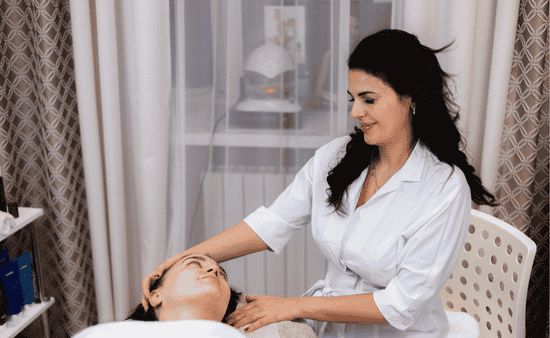
Costs vary widely across the US because pricing depends on the city, provider experience, treatment type, product amount, and technology used. A basic medical-grade facial or microdermabrasion treatment usually costs less than injectables, laser packages, or advanced resurfacing.
For beginners, the smartest approach is to ask for the full price before treatment begins. Also ask whether you need one session or a series. Laser hair reduction, peels, and skin rejuvenation treatments often require multiple visits for best results.
Do not choose a med spa only because it is the cheapest option. When lasers, injectables, or chemical solutions are involved, safety and experience should matter more than a discount.
Common Beginner Mistakes to Avoid
One of the biggest mistakes beginners make is choosing a treatment before understanding their skin. A friend may love a peel, while your skin may respond better to HydraFacial or microdermabrasion. Another mistake is expecting instant results from every service. Some treatments offer an immediate glow, while others improve gradually over weeks or months.
Similarly, when exploring the Best Spa Services for Stress and Anxiety, it is important to choose treatments that match your individual needs, as some people benefit most from calming massages while others prefer facials, aromatherapy, or relaxation-focused wellness services that promote a sense of balance and well-being.
Beginners also sometimes ignore aftercare. This can lead to irritation, dryness, poor results, or pigmentation issues. If your provider tells you to avoid sun exposure, pause retinol, skip workouts, or use gentle skincare, follow those directions carefully.
The best results come from starting simple, asking questions, and building a plan over time. Medical spa services for beginners should feel personalized, not rushed.
FAQs About First-Time Med Spa Treatments
1. What is the safest med spa treatment for beginners?
HydraFacial, light chemical peels, microdermabrasion, and basic medical-grade facials are often good first options because they are non-invasive and usually involve minimal downtime. The safest choice depends on your skin type and consultation results.
2. Which med spa treatment gives the fastest glow?
HydraFacial and microdermabrasion often give a quick refreshed look because they remove buildup and improve surface smoothness. A light chemical peel can also brighten the skin, but results may appear after mild shedding or recovery.
3. Can I get a med spa treatment before an event?
Yes, but timing matters. HydraFacial may work well close to an event, while peels, microneedling, lasers, or injectables need more planning. Book a consultation early so your skin has time to settle.
4. Do med spa treatments hurt?
Many beginner treatments feel comfortable or mildly tingly. HydraFacial may feel like a cool suction massage, light peels may tingle, and laser hair reduction may feel like a quick snap. Your provider should explain the sensation before starting.
Final Thoughts
The best medical spa services for beginners are the ones that match your comfort level, skin goals, and lifestyle. You do not need to begin with dramatic treatments. HydraFacial, light chemical peels, laser hair reduction, and microdermabrasion can all be practical first steps when performed by qualified professionals.
I always recommend starting with a consultation, asking clear questions, and choosing a med spa that values safety over pressure. When you understand what each treatment does and how to care for your skin afterward, your first med spa experience can feel simple, safe, and genuinely rewarding.