
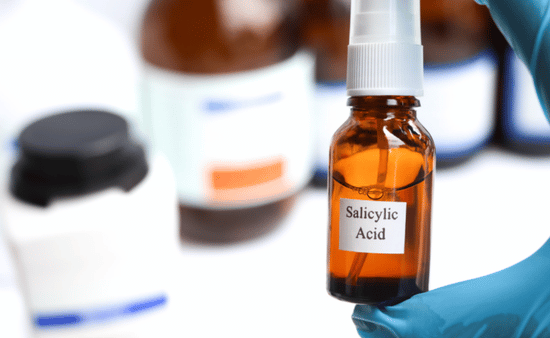
Learning how to use salicylic acid without dryness changed my skin more than using stronger acne products ever did. The trick is not forcing your face to “push through” peeling. It is using salicylic acid like a targeted pore treatment, not a punishment.
Salicylic acid can be brilliant for clogged pores, blackheads, whiteheads, and oily T-zones. It can also make skin feel tight, flaky, or shiny in the wrong way when the routine is too aggressive. I learned that clear skin and comfortable skin can exist together, but only when frequency, formula, and moisturizer work as a team.
Why Salicylic Acid Makes Skin Dry
It Clears Pores by Cutting Through Oil
Salicylic acid is a beta-hydroxy acid, often called BHA. Unlike many water-soluble exfoliants, it works well inside oily areas. That is why people love it for blackheads, bumpy texture, nose congestion, and breakouts around the forehead or chin.
The same oil-targeting quality can become a problem. If you use it too often, apply too much, or pair it with other strong actives, your skin may lose the comfortable lipid layer that keeps it soft. That is when the “clean” feeling turns into tightness.
Dryness Usually Means the Routine Is Too Strong
Dryness does not always mean salicylic acid is wrong for you. It often means your skin is getting too much exposure.
The warning signs are easy to spot. Your moisturizer stings. Foundation clings to flakes. Your cheeks feel tight after washing. Your skin looks oily and dry at the same time. When that happens, I do not add more acne treatment. I step back and rebuild moisture first.
For deeper barrier recovery, use the internal guide on how to repair damaged skin barrier before restarting exfoliating acids.
Choose the Right Salicylic Acid Formula
Use a Rinse-Off Cleanser First
If a leave-on toner or serum makes your face dry, switch to a salicylic acid cleanser. Massage it over congested areas for about 30 seconds, then rinse well. This gives your pores brief contact with the active ingredient without leaving it on your skin all night.
This method works especially well if your acne is mild, your skin is sensitive, or your dryness appears around the cheeks and mouth. I prefer this as the “starter version” because it gives more control.
Pick 0.5% to 1% Before Trying 2%
More strength does not always mean better results. For dry-prone or combination skin, 0.5% to 1% salicylic acid can be enough. Many over-the-counter acne products go up to 2%, but that does not mean every face needs the highest level.
If your skin flakes after every use, choose a lower concentration. If your skin burns, stop and let it calm down. Acne products should not make your face feel raw.
The Best Way to Apply Salicylic Acid Without Irritation

Apply It Only on Fully Dry Skin
This step matters more than people think. Wet or damp skin can make active ingredients spread and absorb faster. That can increase stinging, especially around the nose, chin, and smile lines.
After cleansing, I pat my face dry and wait about five minutes. Then I apply salicylic acid only where I need it. This small pause can make the difference between a smooth routine and a flaky one.
Use the Buffer Method With Moisturizer
The buffer method is my favorite way to use BHA on sensitive skin. Apply a thin layer of plain moisturizer first. Let it settle. Then apply salicylic acid over the congested area.
This does not “cancel” the product. It slows the intensity. Think of it as putting a soft filter between your skin and the active. It is ideal if you are trying to learn how to use salicylic acid without dryness while keeping breakouts under control.
Treat Congested Zones, Not Your Whole Face
You do not need salicylic acid on every inch of skin. Most people need it on the T-zone, nose, chin, forehead, or breakout-prone patches. If your cheeks are dry or calm, leave them alone.
This changed my routine completely. My pores still looked clearer, but my cheeks stopped feeling tight. Targeted use also helps your moisturizer work better because you are not constantly exfoliating areas that do not need it.
How Often Should You Use Salicylic Acid?

My 2-Week Tolerance Schedule
Start with two nights per week. Space them out. Monday and Thursday works well for many people. Use a gentle routine on the other nights.
For the first two weeks, do not add retinol, glycolic acid, benzoyl peroxide, peeling masks, or scrubs on salicylic acid nights. Let your skin show you what it can handle.
A simple plan looks like this:
Week 1: Use salicylic acid once or twice.
Week 2: Use it twice if your skin feels calm.
Week 3: Stay at twice weekly or increase to three nights only if there is no tightness, peeling, or burning.
Daily use is not the goal. Clear, calm skin is the goal.
When to Reduce or Pause
Reduce use if you notice burning, redness, shiny tight skin, sudden rough patches, or moisturizer stinging. Pause completely if your skin cracks, peels heavily, or feels painful.
Once your skin feels normal again, restart with a rinse-off cleanser or the buffer method. This is the safest way to use salicylic acid without dryness after irritation.
What to Use After Salicylic Acid
Hydrate With Humectants
After salicylic acid, reach for hydration first. Humectants help pull water into the upper layers of skin. Look for ingredients like glycerin, hyaluronic acid, panthenol, and aloe.
Niacinamide can also help many routines because it supports a calmer-looking barrier and can reduce the look of oiliness. Keep the formula simple. This is not the time for a serum with five extra acids.
Seal With Barrier-Repairing Lipids
Hydration needs a seal. A ceramide moisturizer helps dry-prone skin feel more stable after exfoliation. Ceramides, cholesterol, fatty acids, squalane, and petrolatum can all help reduce water loss.
I like a richer moisturizer on salicylic acid nights, even when my T-zone is oily. Oily skin can still be dehydrated. A thin, comfortable barrier cream can prevent that tight, papery feeling by morning.
Ingredients You Should Not Mix on the Same Night
Salicylic acid becomes more drying when you stack it with other strong actives. Avoid using it in the same routine as retinol, benzoyl peroxide, glycolic acid, lactic acid peels, strong vitamin C, or exfoliating scrubs.
This does not mean you can never use those ingredients. Use them on alternate nights. For example, salicylic acid on Monday and Thursday, retinol on Tuesday, and barrier repair on the other nights.
If your skin is already dry, skip the “active calendar” and focus on recovery. A boring routine often fixes what a complicated one caused.
A Safe Evening Routine for Clear Skin
Cleanse with a gentle, non-stripping cleanser. Pat your skin fully dry and wait a few minutes. Apply salicylic acid only to clogged areas, not your entire face. Let it sit for two minutes.
Next, apply a hydrating serum with glycerin, hyaluronic acid, or niacinamide. Finish with a ceramide-rich moisturizer. If your skin still feels dry, add a tiny amount of petrolatum over flaky areas only.
On non-salicylic acid nights, keep the routine simple. Cleanser, moisturizer, and sunscreen the next morning are enough. Your skin does not need a treatment step every night to improve.
FAQs
1. Can I use salicylic acid every day if I have oily skin?
You can, but you may not need to. Start two to three nights weekly and increase only if your skin stays calm.
2. Should I moisturize before or after salicylic acid?
Moisturize after for normal use, or before and after if your skin is sensitive and needs buffering.
3. Is salicylic acid better as a cleanser or serum for dry skin?
A cleanser is usually gentler because it has shorter contact time and lower irritation risk.
4. How to use salicylic acid without dryness if I use retinol?
Use salicylic acid and retinol on alternate nights, never in the same routine, and add barrier-repair nights between them.
Final Glow Check: Clear Pores, No Crispy Skin
The best acne routine does not leave your face looking like it survived a desert hike. Once I stopped chasing daily exfoliation and started respecting my barrier, salicylic acid became easier to use.
Use a lower strength, apply it to dry skin, treat only congested areas, and moisturize like your glow depends on it. Because it does. That is how to use salicylic acid without dryness and still get the smooth, clear, calm skin you wanted in the first place.