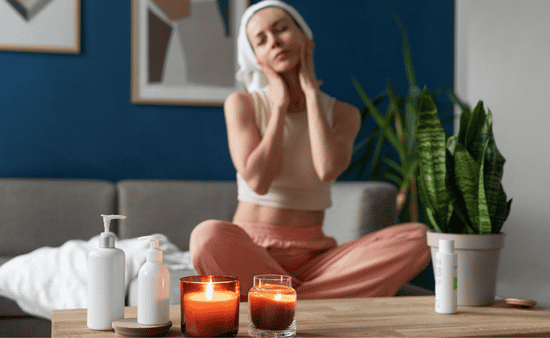
Stress does not always feel the same for everyone. Sometimes it shows up as tight shoulders, jaw tension, racing thoughts, poor sleep, headaches, or complete mental burnout. I have found that the best spa services for stress and anxiety are not only about pampering. They are about giving the body and mind a quiet place to reset, slow down, and feel supported.
For people across the US dealing with demanding jobs, long commutes, family pressure, screen fatigue, or emotional overload, a well-chosen spa treatment can become part of a healthier self-care routine.
Therapeutic massage, hydrotherapy, flotation therapy, aromatherapy, and heat-based treatments may help calm the nervous system, ease muscle tension, and support deep relaxation when used safely and consistently.
What Spa Treatment Is Best for Stress and Anxiety?
The right spa treatment depends on how stress affects you. If your body feels tight and sore, Swedish massage, deep tissue massage, or hot stone therapy may help. If your mind feels overstimulated, aromatherapy massage, scalp massage, reflexology, or flotation therapy may feel more calming.
For most beginners, I recommend starting with Swedish massage or aromatherapy massage. Both feel gentle, relaxing, and easy to customize. If you already know that anxiety makes you sensitive to pressure, heat, or enclosed spaces, tell the spa team before your appointment.
A good therapist can adjust the pressure, room temperature, music, and treatment pace so you feel comfortable.
Why Spa Services Help Calm the Nervous System
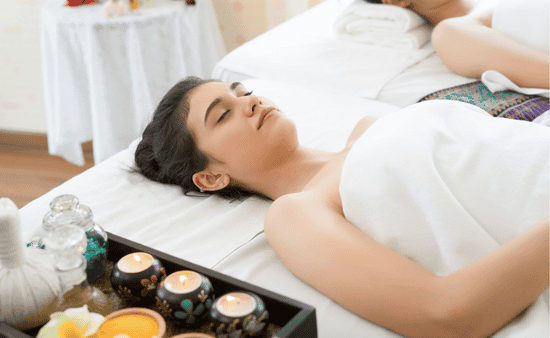
Stress keeps the body in a high-alert state. Your muscles stay tight, your breathing becomes shallow, and your mind keeps scanning for the next problem. Relaxation spa treatments help create the opposite environment. Soft lighting, calming scents, warm towels, slow touch, and quiet surroundings can encourage the body to shift into a more restful state.
Some research links massage therapy with reduced anxiety and improved relaxation, while other studies suggest that massage and heat may influence stress-related markers such as cortisol. The results can vary, so I prefer to describe spa therapy as a supportive wellness practice rather than a cure. It can work alongside better sleep, regular movement, therapy, hydration, and healthy daily routines.
Best Massage Services for Stress Relief
Swedish Massage for Gentle Full-Body Relaxation
Swedish massage is one of the most popular spa services for stress relief because it feels smooth, rhythmic, and calming. The therapist uses long strokes, light-to-medium pressure, and gentle kneading to ease tension throughout the body.
I like this treatment for first-time spa visitors because it is not too intense. It works well if you feel generally tired, tense, or emotionally drained. Swedish massage may also help people who want better sleep and a full-body relaxation experience without deep pressure.
Aromatherapy Massage for Racing Thoughts
Aromatherapy massage combines Swedish-style massage with essential oils such as lavender, chamomile, bergamot, eucalyptus, or sandalwood. The massage helps relax the body, while the scent creates a calming sensory experience.
This is one of my favorite options when stress feels more mental than physical. If your thoughts will not slow down, aromatherapy massage may help you feel more grounded. It is especially useful when you want a peaceful treatment that supports emotional relaxation, nervous tension relief, and a true digital detox.
Deep Tissue Massage for Anxiety-Related Muscle Tightness
Anxiety often settles into the neck, shoulders, jaw, upper back, and lower back. Deep tissue massage uses firmer pressure to target these tight areas and release built-up muscle tension.
This treatment is best for people who already enjoy stronger pressure. I would not choose it as a first spa service if you feel sensitive, exhausted, or nervous about massage. However, if stress causes chronic knots or stiffness, deep tissue massage can be a useful option. Always communicate your pressure limits clearly.
Hot Stone Therapy for Deep Grounding
Hot stone therapy uses smooth, heated stones placed on specific areas of the body or used during massage. The warmth helps loosen tight muscles and creates a deep sense of comfort.
This treatment works well when stress makes your body feel stiff, cold, or physically guarded. The heat can feel grounding for an overactive mind, especially during colder months or after long workdays. If you are heat-sensitive or have certain medical conditions, ask a healthcare professional before booking.
Best Spa Treatments for Mental Wellness
Flotation Therapy for Sensory Overload
Flotation therapy, also called sensory deprivation therapy or float therapy, uses a quiet tank or pod filled with body-temperature water and Epsom salt. The salt helps the body float easily, while the quiet setting reduces external stimulation.
This treatment may help people who feel overstimulated, burned out, or mentally exhausted. I would choose flotation therapy when the goal is deep stillness rather than muscle work. However, it may not suit everyone. If you feel anxious in enclosed spaces, ask the spa whether they offer open float rooms or adjustable lights and music.
Hydrotherapy Circuits for Stress and Low Energy
Hydrotherapy uses water in different forms, including steam rooms, saunas, warm pools, cold plunges, and contrast circuits. Many modern US spas offer hydrotherapy circuits that alternate between heat, cold, and rest.
This type of treatment may help stimulate circulation, refresh the body, and support a natural sense of relaxation. I like hydrotherapy for general stress, physical heaviness, and low energy. The key is to move slowly, hydrate well, and avoid pushing your limits. People with heart concerns, pregnancy, blood pressure issues, or heat sensitivity should get medical guidance before using hot-cold circuits.
Reflexology for Grounding and Foot Tension
Reflexology focuses on pressure points in the feet, hands, or ears. Many people choose foot reflexology because it feels grounding without requiring a full-body massage. It is also one of the most popular Spa Treatments for Tired Feet, helping to ease discomfort, reduce feelings of fatigue, promote relaxation, and provide soothing relief after long days of standing, walking, or physical activity.
This service can be a good choice if you feel nervous about undressing for a massage or simply want a shorter relaxation treatment. Reflexology may help you feel calmer, lighter, and more connected to your body after a stressful week.
Scalp, Head, Neck, and Shoulder Massage for Desk Stress
Long hours at a computer can create serious tension in the scalp, temples, neck, and shoulders. A focused head, neck, and shoulder massage targets the areas where many people hold stress.
In fact, this treatment is often considered one of the Best Spa Massage for Neck Tension because it helps relieve muscle tightness, improve circulation, reduce stiffness, and promote relaxation in areas most affected by desk work and daily stress.
This is a practical option if you do not have time for a full spa day. Even a shorter session can help ease screen-related stiffness, tension headaches, and upper-body tightness. I would pair this with aromatherapy if the goal is both physical relief and mental calm.
Is Massage or Hydrotherapy Better for Anxiety?
Massage is usually better when anxiety creates muscle tension, shallow breathing, or physical discomfort. Hydrotherapy may be better when you feel heavy, sluggish, or mentally stuck. Flotation therapy may be the better choice when sensory overload is the main issue.
If you are unsure, start with a gentle massage and add hydrotherapy later. A simple combination like aromatherapy massage followed by time in a relaxation lounge can feel more effective than booking too many intense treatments at once.
How to Get the Most From Your Spa Session
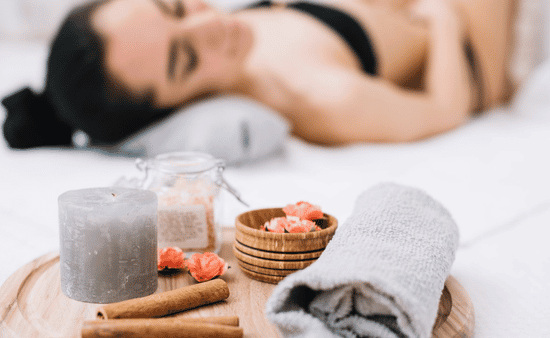
Arrive at least 20 to 30 minutes early so your body has time to settle before the treatment begins. Rushing into a spa appointment can make it harder to relax. Use the extra time to breathe, sip water, and adjust to the slower environment.
Tell your therapist what you need. Share whether you prefer light pressure, dislike certain scents, feel anxious in confined spaces, or want extra focus on your neck and shoulders. Turn off your cell phone and leave it in your locker if possible. A true spa reset works best when your mind is not checking messages every few minutes.
Hydrate before and after your visit to support comfort and recovery. Avoid heavy meals, alcohol, or intense workouts right before your appointment. The goal is to help your body feel safe, calm, and ready to rest.
FAQs About Spa Services for Stress and Anxiety
1. What is the most relaxing spa service for beginners?
Swedish massage is usually the most relaxing option for beginners. It uses gentle-to-medium pressure, feels calming, and gives the body a full relaxation experience without being too intense.
2. Is flotation therapy good for anxiety?
Flotation therapy may help some people with stress, sensory overload, and mental fatigue because it reduces outside stimulation. It may not be ideal for people who feel uncomfortable in enclosed spaces, so ask about open float options.
3. How often should I book spa treatments for stress relief?
For mild stress, once a month may be enough. If you deal with frequent tension, poor sleep, or high work pressure, every two to three weeks may feel more supportive.
4. Are hydrotherapy circuits safe for everyone?
Hydrotherapy is not right for everyone. People with heart conditions, blood pressure concerns, pregnancy, heat sensitivity, or certain medical issues should speak with a healthcare professional before using saunas, steam rooms, or cold plunges.
Final Thoughts
The best spa services for stress and anxiety should match your body, your comfort level, and your emotional state. Some days, you may need a Swedish massage. Other days, flotation therapy, aromatherapy, hot stone therapy, reflexology, or hydrotherapy may feel more helpful.
I see spa care as more than a luxury. When chosen wisely, it can become a practical way to pause, breathe, release tension, and reconnect with yourself. A spa treatment will not remove every source of stress, but it can give your mind and body the reset they often need.