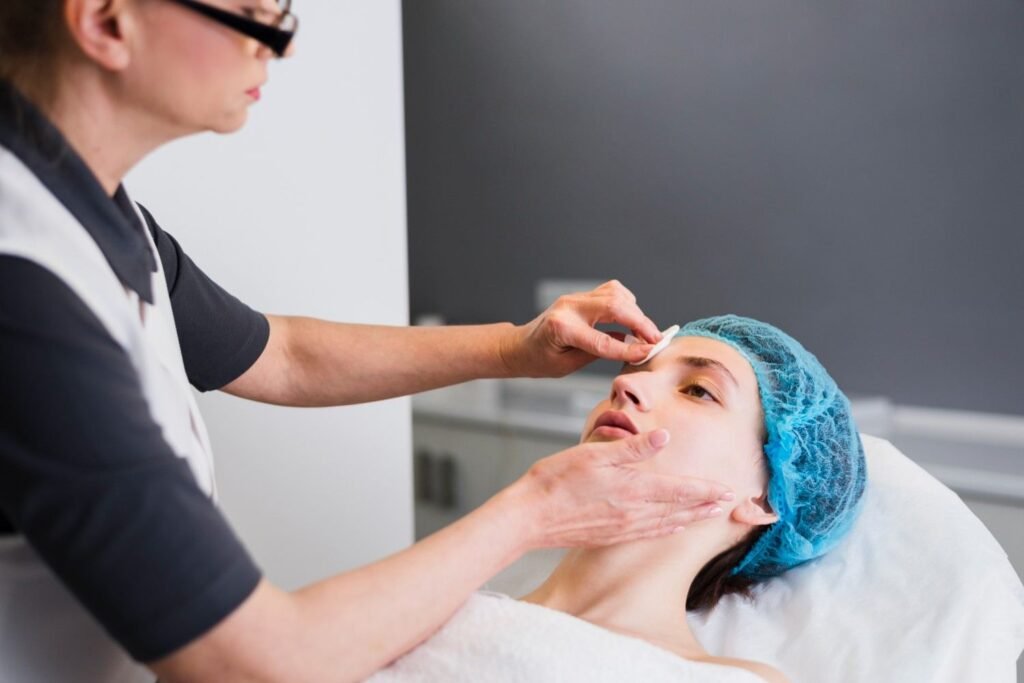
Acne scars can feel like old breakouts that never fully left. Even after the pimples fade, the dark spots, rough patches, and tiny dents can make your skin look uneven under makeup, sunlight, or close-up mirrors. That is why many people start searching for a spa facial for acne scars hoping for a smoother, clearer complexion without jumping straight into aggressive procedures.
The truth is simple: a basic facial can refresh your skin, but real scar improvement comes from choosing the right professional treatment for your scar type, whether that means chemical peels, microneedling, HydraFacial boosters, IPL, or laser resurfacing.
Can a spa facial for acne scars remove pitted marks?
A facial can improve the appearance of acne scars, but the result depends on whether you have true scars or post-acne marks. Red marks and brown spots sit closer to the surface, so brightening facials, light chemical peels, IPL, and consistent sunscreen can help them fade. Pitted scars are different. They form when inflammation damages collagen under the skin, leaving small dents or uneven texture.
For pitted acne scars, I would look beyond a basic facial and consider med spa treatments such as microneedling, RF microneedling, laser resurfacing, TCA CROSS, or deeper chemical peels. These treatments do not simply polish the skin. They create controlled injury or resurfacing that encourages the skin to rebuild.
Best treatment for red or brown acne marks

If your acne leaves red or brown marks instead of dents, a chemical peel facial can be one of the best starting points. A licensed provider may use glycolic acid, salicylic acid, mandelic acid, lactic acid, or TCA depending on your skin type and discoloration. These peels remove damaged outer layers, brighten uneven tone, and help fresh skin appear smoother.
IPL, also called intense pulsed light, can also help certain types of post-acne discoloration. It targets redness and excess pigment, making it useful for people dealing with lingering red marks or sun-related discoloration. However, IPL is not the best choice for deep pitted scars because it focuses more on color than structure.
For people with melanin-rich skin, I would choose peel strength carefully. Aggressive peels and some light-based treatments can trigger hyperpigmentation when performed incorrectly. A provider who regularly treats Black, brown, Asian, Hispanic, and olive skin tones can help reduce that risk.
Best treatment for rolling and boxcar acne scars
Rolling and boxcar scars usually need collagen stimulation. Microneedling, also called collagen induction therapy, uses tiny sterile needles to create controlled microchannels in the skin. The skin responds by producing new collagen and elastin, which can gradually plump sunken areas and soften uneven texture.
RF microneedling adds radiofrequency heat to the process, making it a stronger option for deeper texture, enlarged pores, and mild skin laxity. Many US med spas offer RF microneedling because it works well for a wide range of skin tones when performed by trained professionals.
Microdermabrasion can help rough surface texture, but it works mainly on the top layer of the skin. I would consider it for very mild textural irregularities, not deep scars. HydraFacial with boosters can also support smoother-looking skin by exfoliating, extracting, hydrating, and infusing peptides or growth-factor-style serums.
It can make acne-prone skin look cleaner and more polished, but it works better as a maintenance facial than a deep scar correction treatment.
Best treatment for deep icepick acne scars
Icepick scars are narrow, deep, and difficult to improve with a standard facial. For these scars, TCA CROSS is often a more targeted option. During this procedure, a trained professional applies high-concentration trichloroacetic acid directly inside the scar. This controlled injury encourages the pit to remodel and close more evenly as it heals.
TCA CROSS is not a casual spa add-on. It requires skill, precision, and a proper consultation. If performed too aggressively, it can cause irritation, discoloration, or wider scarring. I would only consider it with an experienced dermatology or medical aesthetics provider.
Should you clear active acne before scar treatment?
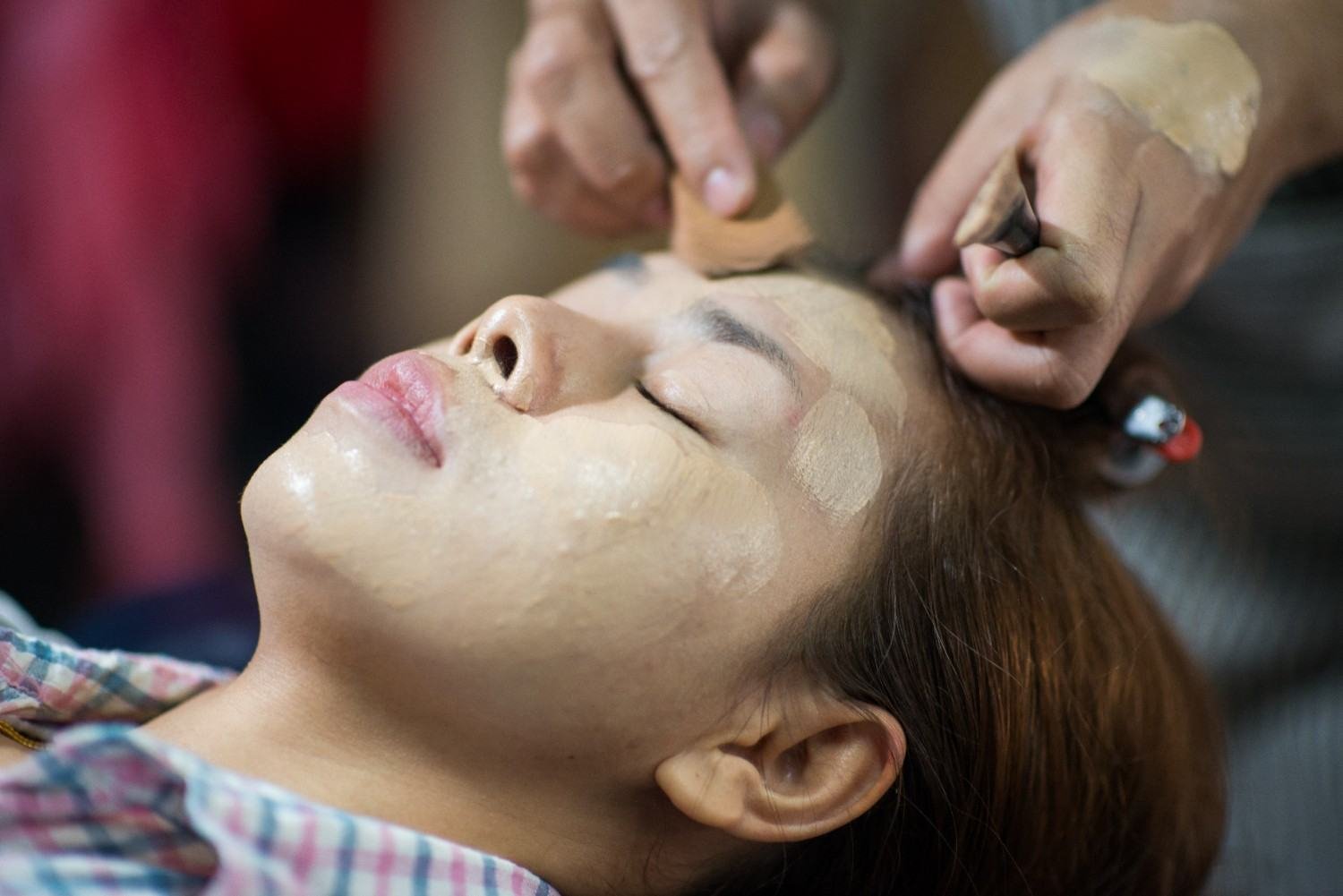
Yes, active acne should come first. If you still have inflamed breakouts, cysts, or frequent new pimples, intensive scar treatments may irritate the skin, spread bacteria, and create new inflammation. That can lead to more marks and more scars.
I would focus first on controlling acne with a dermatologist, esthetician, or acne-focused med spa provider. Once breakouts are stable, scar remodeling becomes safer and more effective. This approach also protects your investment because you are not treating old scars while new ones continue to form.
How many sessions do acne scar facials take?
Most acne scar treatments need a series. A light chemical peel may require several visits. Microneedling often needs multiple sessions spaced weeks apart. Laser resurfacing may need one or more treatments depending on scar depth, skin tone, downtime, and the device used.
A single facial can create a glow, but collagen remodeling takes time. I would be cautious of any spa or med spa that promises perfect skin after one appointment. Real scar improvement usually happens slowly, with visible changes appearing over weeks or months.
How to choose a qualified acne scar provider in the US
In the US, the safest choice depends on the treatment. A licensed esthetician can perform many traditional facials, light peels, and acne maintenance services. More advanced treatments such as deeper peels, lasers, RF microneedling, and TCA CROSS should involve a licensed medical provider or a med spa operating under proper medical supervision.
Before booking, ask who performs the treatment, what license they hold, how often they treat acne scars, and whether they have experience with your skin tone. I would also ask to see before-and-after photos, review downtime, discuss risks, and confirm aftercare. A good provider will explain what a treatment can and cannot do instead of selling a miracle result.
Aftercare tips for better acne scar results

Daily sunscreen is non-negotiable after scar treatments. UV exposure can darken post-acne marks and slow your progress, especially after chemical peels, lasers, or microneedling. Use a broad-spectrum SPF 30 or higher every morning and reapply when needed.
Keep skincare gentle after treatment. Avoid harsh scrubs, picking, tanning, strong acids, and retinoids until your provider says it is safe to restart them. A simple routine with a mild cleanser, barrier-supporting moisturizer, and sunscreen can help your skin heal more evenly.
Frequently Asked QUestions (FAQs)
1. What facial is best for acne scars?
The best facial depends on your scar type. Chemical peels and IPL can help discoloration, while microneedling, RF microneedling, laser resurfacing, and TCA CROSS usually work better for pitted scars.
2. Is HydraFacial good for acne scars?
HydraFacial can help acne-prone skin look smoother, clearer, and more hydrated. However, it cannot fully correct deep pitted scars. It works best for maintenance, mild texture, clogged pores, and dullness.
3. Is a spa facial for acne scars worth it?
A spa facial for acne scars is worth it when your main concerns are acne marks, congestion, dullness, or mild uneven texture. For deeper scars, a med spa or dermatologist-guided treatment plan usually gives better results.
4. Which treatment is best for icepick acne scars?
TCA CROSS is often used for deep, narrow icepick scars because it targets the inside of the scar directly. It should only be performed by an experienced professional.
Final Thoughts
I would not rely on a basic facial to erase deep acne scars, but I also would not ignore professional skincare completely. The smartest approach is to match the treatment to the scar and your skin’s condition. Pigmented marks may respond well to peels or IPL. Rolling and boxcar scars often need microneedling or laser resurfacing.
Deep icepick scars may need TCA CROSS, while people with dryness or barrier damage may benefit from gentle spa treatments for dry skin before starting stronger scar-focused procedures.
If you want smoother skin, start with a qualified US-based acne scar provider who understands scar types, skin tone, active acne, dryness, and safe aftercare. The right facial or med spa treatment will not promise overnight perfection, but it can help your skin look clearer, smoother, and more confident over time.