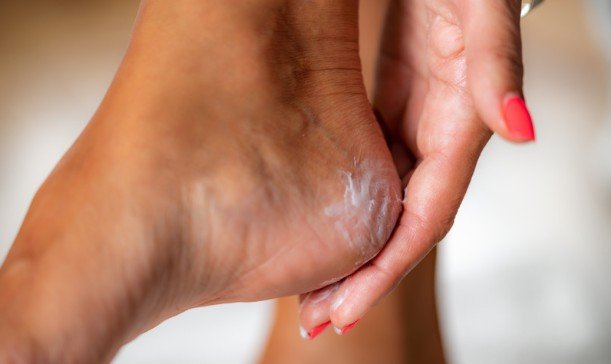
I understand the frustration of applying foot cream faithfully, only to find your heels catching on your socks again the next morning. It feels reasonable to assume that more moisturizer should solve the problem. However, rough heels often need more than another generous layer of lotion.
Understanding why your heels stay rough after moisturizing starts with separating dryness from thickened skin. Your routine may also overlook daily friction, application timing, or irritation. Once you identify what keeps the roughness returning, you can choose a more targeted approach without scrubbing your feet aggressively.
Your Heels May Be Thickened, Not Just Dry
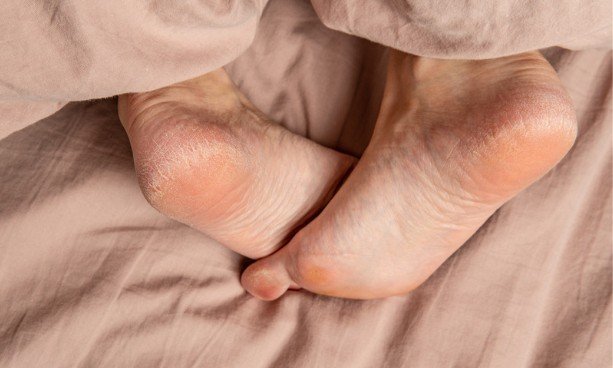
Dry skin lacks adequate moisture, while callused skin develops in response to repeated pressure and friction. Your heels can have both problems simultaneously.
A moisturizer may soften the surface temporarily without sufficiently reducing the thick, hardened layer. That explains why your feet can feel smoother immediately after application but rough again later.
Look for a firm, thickened rim around the heel rather than assuming every rough patch needs more lotion. Avoid cutting this skin yourself, especially when cracks are present.
Your Lotion May Need Different Ingredients
A lightweight body lotion can help mild dryness, but stubborn heel roughness may benefit from a formula that also softens accumulated skin. Your hands need gentle attention too: to care for dry cuticles without cutting them, apply a moisturizer regularly to keep the surrounding skin soft.
Hydrating and Softening Ingredients
Urea attracts moisture and, depending on concentration, helps soften thickened skin. Heel creams containing around 10–25% urea are commonly recommended for dry, rough heels. Lactic acid and salicylic acid can also help loosen dead surface cells.
Start cautiously, follow product directions, and stop if irritation develops. Stronger products are not automatically better, particularly on sensitive or cracked skin.
Ingredients That Help Retain Moisture
Ceramides support the skin barrier, while petroleum jelly reduces moisture loss by forming a protective layer.
These ingredients serve different purposes. A sealing ointment can help retain moisture, but it does not address every cause of thickening or persistent scaling.
Application Timing Can Undermine Your Routine
Applying cream hours after washing misses a useful opportunity to retain moisture.
After a brief lukewarm shower, gently pat your feet dry and apply moisturizer while the heel skin remains slightly damp. Dry carefully between your toes, where persistent dampness can encourage fungal problems.
Consistency matters too. Occasional heavy applications rarely compensate for several days without care. Follow the product label and build a manageable daily routine rather than constantly changing treatments.
Your Footwear May Keep the Roughness Returning
When investigating why your heels stay rough after moisturizing, consider what happens during the hours between applications.
Open-backed shoes expose heel skin and allow the heel pad to spread under pressure. Poorly fitting footwear can add rubbing, while prolonged standing repeatedly loads the same areas.
Choose comfortable shoes that support and protect your heels. Wear clean socks when appropriate and replace footwear with worn cushioning. Moisturizing helps the skin, but reducing repeated friction helps prevent further thickening.
Hot Water and Excessive Filing Can Worsen Things
Long, hot showers and harsh cleansers can aggravate dryness. Keep washing brief, use lukewarm water, and choose a gentle, fragrance-free cleanser.
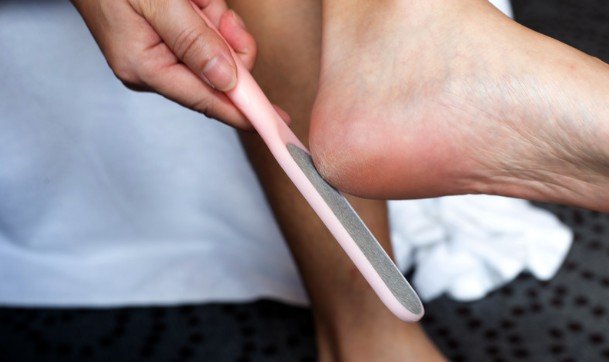
Aggressive filing creates another problem. Trying to remove every rough patch in one session can leave skin irritated or injured.
If your skin is intact and you have no circulation or sensation problems, gentle pumice use may help gradually reduce callus. Avoid filing bleeding cracks, inflamed areas, or itchy skin. Never use blades to shave your heels at home.
Sometimes the Problem Is More Than Dryness
Persistent scaling, itching, or peeling may indicate athlete’s foot. Eczema and psoriasis can also affect the feet, and moisturizer alone will not treat every underlying condition.
Do not diagnose the cause from appearance alone. Seek assessment if symptoms persist, spread, or worsen despite consistent gentle care.
Painful fissures, bleeding, redness, warmth, swelling, or discharge need attention. If you have diabetes, poor circulation, or reduced foot sensation, ask a clinician before using exfoliating acids, filing tools, or foot peels.
Build a Simple Routine You Can Maintain
Wash briefly, dry gently, and apply a suitable heel cream according to its directions. At bedtime, a thin layer of petroleum jelly and clean socks can help retain moisture and keep ointment off bedding.
Protect your heels during the day and avoid introducing several exfoliating products together. Check your skin regularly for irritation or new cracks.
Improvement is gradual. Some treatments take around two weeks to show a response, while deeper cracks may need professional care sooner.
Frequently Asked Questions
1. Why Your Heels Stay Rough After Moisturizing Even Every Day?
Thick callus, unsuitable products, continuing friction, or an underlying skin condition may explain why your heels stay rough after moisturizing. Daily application helps, but matching care to the cause matters.
2. Can Petroleum Jelly Replace Heel Cream?
It can reduce moisture loss and soften dry skin. However, thickened heels may also need an appropriate skin-softening ingredient or professional callus care.
3. Should I Exfoliate My Heels Daily?
Daily filing is usually unnecessary and can irritate skin. Follow product instructions, work gently, and avoid exfoliating damaged areas.
4. When Should I Seek Help?
Arrange assessment for persistent roughness or painful cracks. Seek prompt help for signs of infection, particularly if diabetes or reduced sensation affects your feet.
My Final Take
I would approach stubborn rough heels by checking the whole routine: ingredients, timing, footwear, and skin condition. Consistent, gentle care makes more sense to me than chasing instant smoothness through stronger acids or harder scrubbing. If improvement stalls or cracks become painful, I would seek professional guidance.