I prefer a nail care routine that makes everyday tasks comfortable, without turning maintenance into another project. A tiny skin flap catching on clothing can quickly become distracting, especially when another appears soon after the first heals.
Learning how to prevent hangnails from coming back starts with protecting the surrounding skin: moisturize after washing, reduce repeated irritation, and avoid picking or cutting cuticles. Removing today’s snag helps, but changing the habits behind it supports longer lasting improvement.
Why Hangnails Keep Returning
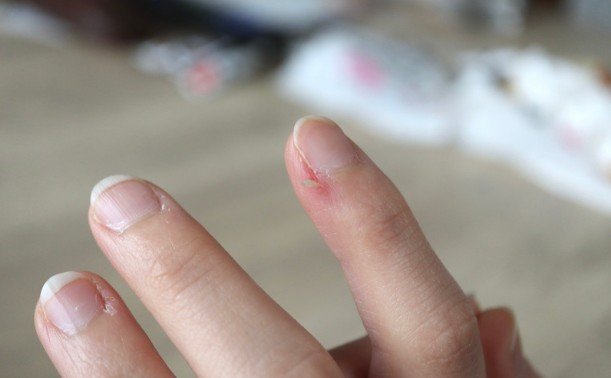
A hangnail is a torn strip of skin beside a nail, rather than a broken piece of nail. Dryness makes this skin less flexible, while friction and picking can create tears. Repeated handwashing, detergents, cold weather, and prolonged water exposure can contribute.
Clipping the loose skin does not remove the trigger. If you continue washing dishes without gloves or trimming intact cuticles, irritation can persist. Recurrence therefore calls for reviewing daily exposures rather than repeatedly snipping the same area.
Build a Moisturizing Routine That Sticks
After washing your hands
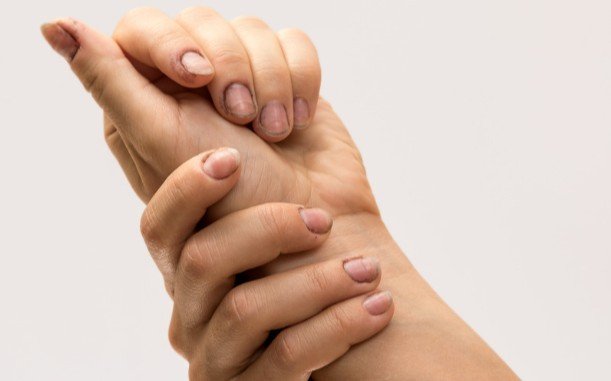
Wash when needed, using a gentle cleanser and lukewarm water. Dry carefully, including around your nails, then apply a fragrance-free cream. Massage it into the sides and bases of each nail rather than stopping at your palms.
Keep cream beside the sink and carry a small tube. Convenient placement makes reapplication easier, particularly if your work involves frequent handwashing. Continue necessary hygiene; follow cleansing with moisturizing instead of skipping washes.
Before going to bed
Apply cream again at bedtime. A thin layer of petroleum jelly over particularly dry, uninfected skin can help limit moisture loss. Cuticle oil is another option for softening the area, but expensive products are unnecessary.
When deciding how to prevent hangnails from coming back, prioritize a routine you can repeat. Occasional intensive treatments cannot replace regular protection from the exposures that keep damaging your skin.
Protect Your Hands From Everyday Irritation
Wear waterproof gloves when washing dishes or handling cleaning products. Cotton liners can improve comfort during longer tasks. Remove gloves if sweat builds up, dry your hands, and change damp liners rather than leaving skin wet inside.
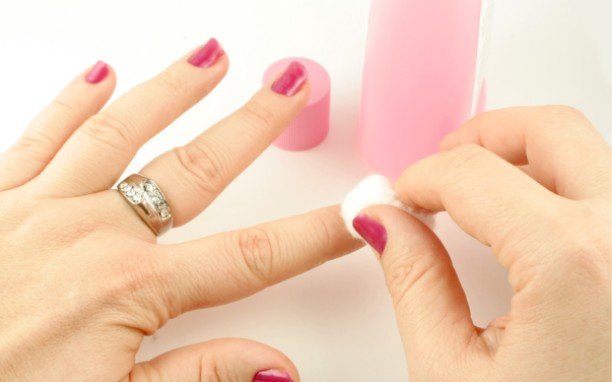
Wear warm gloves outdoors in cold weather. After swimming, rinse and dry your hands, then moisturize. If polish removal repeatedly leaves the surrounding skin dry, reduce exposure and consider an acetone-free remover for compatible polish. Avoid vigorous rubbing, and moisturize afterward.
Change Manicure Habits That Cause Tears
Leave intact cuticles alone. They help protect the nail root, and cutting or pushing them back can increase injury and infection risk. Ask your nail technician to avoid this during appointments.
Keep nails neatly trimmed and smooth sharp edges with a file to reduce catching. Avoid using nails to scrape labels or open packaging. Pay attention to irritation following manicures: repeated soreness is a reason to reconsider the technique, products, or frequency.
Interrupt Picking and Biting
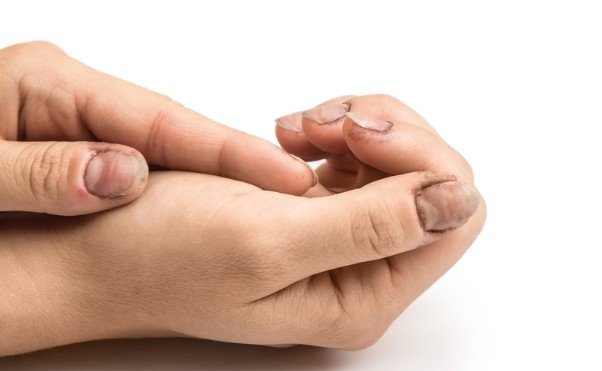
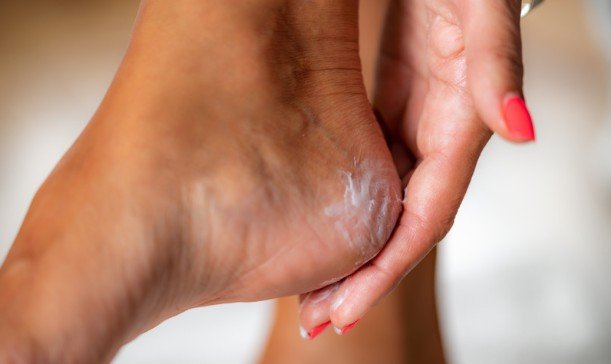
Notice when your fingers reach your mouth or start searching for rough skin. Common triggers include boredom, stress, and feeling a snag while typing or watching television. The urge to pick can also arise when your heels stay rough after moisturizing, so pay attention to whether uneven texture prompts you to pull at the skin.
Keep a fidget object nearby and use clean clippers for a loose hangnail instead of teeth. A small bandage can protect a sore spot and discourage touching. Persistent picking that causes wounds or feels difficult to control deserves professional support rather than more aggressive grooming.
Handle an Existing Hangnail Gently
Wash your hands and briefly soften the loose skin in warm water. With clean, disinfected clippers or nail scissors, carefully trim only the projecting flap. Avoid pulling, digging, or cutting attached healthy skin.
Moisturize afterward. If the area bleeds, rinse it and protect it with a clean bandage. Do not repeatedly clip the spot trying to achieve a perfectly smooth edge; additional cutting can enlarge the injury.
Know When Home Care Is Not Enough
Seek medical advice for increasing pain, warmth, swelling, pus, or spreading redness. Persistent peeling affecting several fingers, nail changes, or recurring inflammation may need assessment for another skin or nail condition.
Get advice sooner if you have diabetes, poor circulation, or reduced immunity. Do not squeeze pus or attempt to drain an infected nail fold yourself.
Frequently Asked Questions
1. What is the simplest approach to preventing recurring hangnails?
For anyone asking how to prevent hangnails from coming back, start with moisturizing after handwashing, protecting hands during wet work, and leaving cuticles alone. Identify which repeated exposure or habit seems linked to your flare-ups.
2. Can cuticle oil replace hand cream?
Cuticle oil can soften surrounding skin, but it does not remove irritation from detergents, water, or picking. Use whichever gentle moisturizer suits you, and pair it with protective habits.
3. Why does the same finger keep developing a hangnail?
Repeated friction, picking, or manicure damage may affect one spot more often. Check your habits and seek assessment if the area remains inflamed, changes appearance, or repeatedly fails to heal.
4. Should I take vitamins for hangnails?
Recurring hangnails alone do not establish a vitamin deficiency. Focus on skin care and protection first. Discuss nutritional concerns or other symptoms with a clinician instead of starting supplements automatically.
My Takeaway for More Comfortable Hands
I would keep this routine simple: cream near the sink, gloves for chores, and gentle care around every nail. Daily consistency makes prevention easier to maintain. If irritation continues despite these changes, I would seek advice rather than keep cutting the same painful spot.