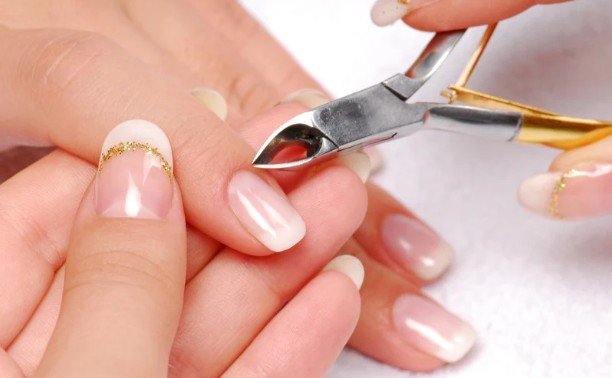
When I notice rough skin around my nails, reaching for cuticle scissors feels tempting. However, a freshly trimmed appearance is not worth creating sore spots or damaging the protective seal around the nail. I prefer a routine that makes the area softer while leaving attached skin alone.
Learning how to care for dry cuticles without cutting them starts with consistent moisturizing, gentler handling, and protection from everyday irritants. You do not need an expensive manicure kit. A few simple habits can help your nail edges look tidier without aggressive grooming.
Why Your Cuticles Keep Getting Dry
The thin cuticle attached to your nail plate helps seal the junction between the nail and surrounding skin. The nearby living nail fold also protects this delicate area. People often call both structures “cuticles,” which makes home trimming confusing. Understanding these protective structures helps explain why hands reveal personal care habits, gentle grooming preserves healthy skin around the nails, while aggressive trimming can leave visible irritation.
Frequent washing, detergents, cold weather, and dry indoor air can leave surrounding skin rough. Nail polish remover, picking, and repeated manicures may add irritation.
Sometimes persistent dryness reflects eczema or a reaction to nail products. If moisturizing never helps, or itching follows gel polish or nail glue, consider whether irritation needs professional assessment.
A Simple Routine That Leaves Cuticles Intact
Moisturize After Washing Your Hands
Wash with lukewarm water and a gentle cleanser, then pat dry. While your skin retains slight moisture, massage a fragrance-free cream around each nail, including the sides and fingertips.
Make this part of handwashing rather than waiting until bedtime. Keep cream beside the sink or in your bag so reapplying feels convenient.
Maintain necessary hand hygiene. If washing or sanitizer leaves your hands dry, follow with moisturizer instead of skipping cleaning.
Use an Ointment Before Bed
At night, apply your usual cream, followed by a thin layer of plain petroleum jelly around rough nail edges. The ointment reduces moisture loss and helps soften dry skin.
Cotton gloves are optional if they make the routine more comfortable or protect bedding. Avoid wrapping irritated fingers tightly in plastic.
Repeated gentle care is more useful than applying multiple treatments once and expecting lasting improvement.
Protect Your Hands During Cleaning
Wear suitable protective gloves when washing dishes or handling cleaning products. Repeated water exposure and detergents can worsen dryness.
Remove gloves if your hands become sweaty, dry them gently, and moisturize afterward. In cold weather, outdoor gloves also reduce exposure to drying air.
Cuticle Oil, Cream, or Petroleum Jelly?
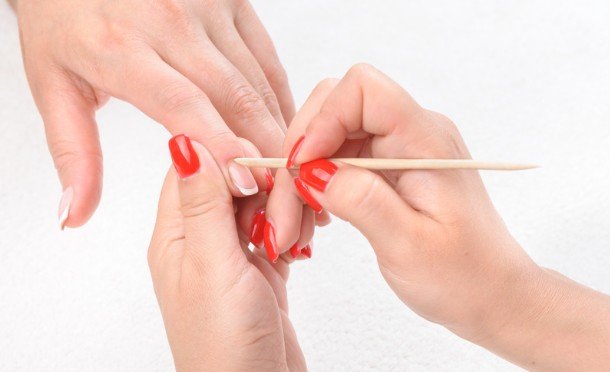
Cuticle oil can soften the area, but it is optional. A fragrance-free hand cream may be enough for everyday maintenance.
Creams containing glycerin or ceramides can support hydration and the skin barrier. Petroleum jelly provides an inexpensive protective layer, especially overnight.
If you enjoy oil, choose a simple formula that your skin tolerates. Avoid assuming essential oils or botanical fragrances are automatically gentle.
Understanding how to care for dry cuticles without cutting them means choosing comfortable, repeatable care rather than collecting products. Stop using anything that causes burning, itching, or redness.
Do You Need to Push Cuticles Back?
No. Pushing is not necessary to treat dryness, and leaving cuticles alone is the simplest approach.
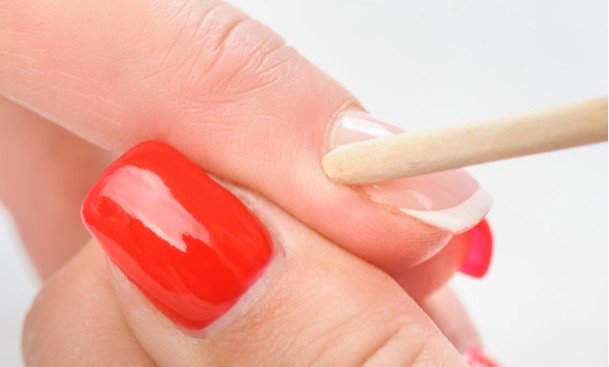
If you choose to push them for appearance, do so very gently after a shower or bath, when the area is softer. Never force attached skin backward.
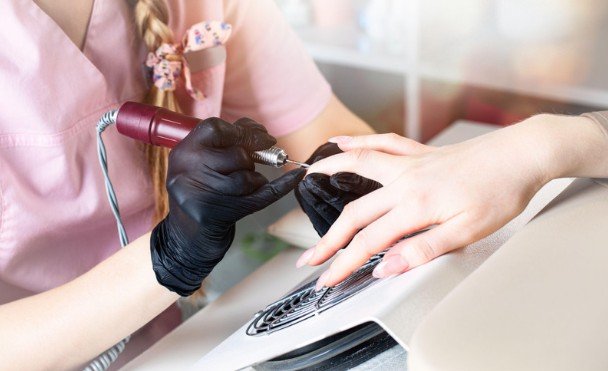
Skip pushing entirely when skin is cracked, inflamed, or painful. Avoid scraping, abrasive buffing, or electric manicure tools around irritated nail folds.
Long soaking sessions are unnecessary. Softening the area with moisturizer avoids adding another cycle of wetting and drying.
Know the Difference Between Dry Skin and a Hangnail
A hangnail is a small, loose strip of torn skin beside a nail. It is different from the attached protective cuticle.
Never pull or bite it. If a clearly detached piece catches on clothing, clean clippers can trim that loose piece without cutting surrounding attached skin.
If you prefer avoiding cutting altogether, cover the snag with a clean bandage temporarily. Do not attempt removal when you cannot identify what is detached.
When Moisturizing Is Not Enough
Seek medical advice for increasing redness, swelling, warmth, pain, or pus. Spreading redness or fever needs prompt attention.
Persistent itching, blistering, or scaling after nail products may indicate a reaction. People with diabetes, poor circulation, or reduced immunity should seek help early for injured or inflamed nail folds.
Habits That Make Dryness Return
Picking rough edges creates fresh damage and encourages another round of peeling. Keep moisturizer nearby when you notice yourself touching the area.
After removing nail polish, wash away residue as directed and moisturize. Avoid repeatedly soaking surrounding skin in remover.
At a salon, ask the technician to leave cuticles intact. Professional trimming still carries risks; pain or bleeding should never be accepted as routine grooming.
Frequently Asked Questions
1. What is the simplest approach to how to care for dry cuticles without cutting them?
Apply fragrance-free cream after washing, use petroleum jelly at bedtime, and protect hands during cleaning. Leave attached skin alone.
2. How often should I apply cuticle oil?
Follow the product directions and your skin’s needs. Oil is optional; regular cream may be sufficient.
3. Why are my cuticles still rough after moisturizing?
Ongoing picking, detergent exposure, or irritation may outweigh your routine. Persistent symptoms deserve assessment.
My Takeaway for Softer Nail Edges
I would choose a gentle, consistent routine over trimming whenever my cuticles look rough. Applying fragrance-free cream after washing, adding petroleum jelly before bed, and wearing gloves during cleaning are practical habits I can maintain without buying an elaborate manicure kit.
I also think it helps to stop treating every uneven edge as something that needs removing. Leaving attached skin alone gives the area a chance to recover without repeated irritation. Start by keeping moisturizer beside your sink and making nighttime care a habit. If soreness, swelling, or persistent peeling develops, seek advice rather than trying more aggressive grooming.