The worst sunscreen mistakes that damage skin are usually small, boring, and easy to miss. I have made some of them myself: a quick morning layer, a missed reapplication, and a bottle left in a hot bag too long. The problem is not that sunscreen fails. The problem is that most people never get the protection printed on the label.
Why Sunscreen Fails Even When You Apply It
Sunscreen works best when it forms an even layer over exposed skin. That layer helps reduce UV exposure from UVA and UVB rays. UVA is strongly linked with premature aging and dark spots. UVB is the ray most associated with sunburn. Both matter.
The SPF number on a bottle is tested under controlled conditions. Real life is messier. You sweat. You touch your face. You sit near windows. You apply makeup. You miss your ears. By lunch, your “protected” skin may have several weak spots.
That is why I treat sunscreen like a system, not a one-step miracle. The goal is not perfection. The goal is fewer leaks.
1. Applying a Moisturizer-Sized Layer

Many people apply sunscreen the way they apply face cream. A small dot on each cheek feels enough, especially with elegant modern formulas. Sadly, that thin layer can give far less protection than the label suggests.
Why This Damages Skin
When you underapply, your SPF drops in the real world. That can leave your skin open to tanning, uneven tone, melasma flares, fine lines, and sunburn. The damage may not show the same day. It often appears later as dullness, spots, and rough texture.
The Fix I Use
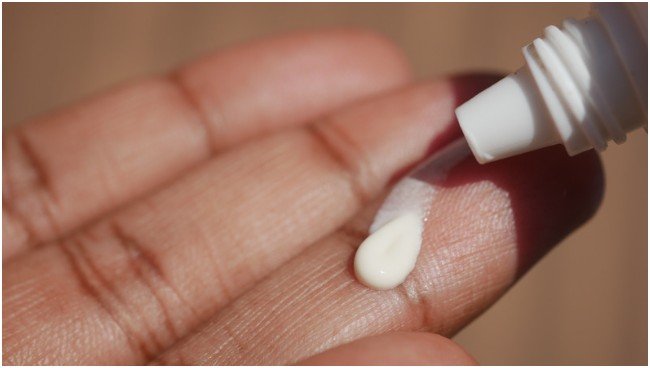
For face and neck, I use the two-finger rule as a simple starting point. I run sunscreen along my index and middle fingers, then spread it across my face, neck, ears, and hairline by knowing how much sunscreen to use on face.
My original bottle-life check is simple. If a 1.7-ounce facial sunscreen lasts six months with daily use, I assume I am probably using too little. Daily face and neck application should make a small bottle move faster than most people expect.
2. Reapplying Only When You Remember
One morning application is not a full-day shield. This is one of the most common sunscreen mistakes that damage skin because it feels harmless. You apply SPF at 8 a.m., work indoors, grab lunch, drive home, and think you are covered.
Why Morning SPF Is Not Enough
Sunscreen wears down from UV exposure, sweat, oil, clothing, masks, hands, and water. Even water-resistant formulas need reapplication after swimming or heavy sweating. If you spend time outdoors, the two-hour rule matters.
The Fix I Use
I pair reapplication with habits I already have. Before a lunch walk, I reapply. Before driving in bright afternoon light, I reapply. At the beach or pool, I set a phone reminder.
For makeup days, I still start with a dedicated sunscreen. Then I touch up with a sunscreen stick, powder, cushion compact, or mist. I do not rely on sprays alone for my first layer because they are easy to underapply.
3. Trusting SPF Makeup as Your Main Protection
SPF foundation and tinted moisturizer can help, but they should not carry the whole job. Most people do not apply enough foundation to reach the SPF level on the label. They also skip areas where makeup looks odd, such as ears, eyelids, jawline, neck, and hairline.
I like SPF makeup as a bonus layer. It can support daily protection, especially when it contains iron oxides for visible light defense. That can matter for people prone to discoloration. Still, I apply a broad-spectrum sunscreen first, let it set, then add makeup.
This small change prevents one of the sneakiest sunscreen mistakes that damage skin: confusing cosmetic coverage with real sun coverage.
4. Missing the Skin Everyone Forgets
The face gets attention. The edges get betrayed.
I have learned to slow down around the ears, eyelids, lips, hairline, back of the neck, hands, and tops of the feet. These areas burn fast because they are exposed, thin, curved, or easy to miss.
The lips need their own SPF balm. Regular lip gloss can make lips look shiny but offers no dependable UV defense unless it has SPF. For eyelids, I prefer mineral sunscreen, sunglasses, and a hat because that skin can sting easily.
Hands also deserve more respect. They sit on steering wheels, phone screens, coffee cups, and outdoor railings. If your skincare stops at your wrists, your hands may reveal sun damage first.
5. Skipping Sunscreen on Cloudy, Office, and Car Days

Clouds do not cancel UV exposure. Rainy light can still reach your skin. Office days can also bring sun exposure through windows, commutes, lunch walks, and errands.
Car exposure is a bigger deal than many people think. Standard glass blocks UVB better than UVA. That means your skin may not burn, but it can still face aging-related UVA exposure. This is why one side of the face or one hand may develop more spots over time.
My rule is simple. If it is daytime, sunscreen goes on exposed skin. I may adjust texture by season, but I do not wait for beach weather.
6. Using Expired or Heat-Damaged Sunscreen
Old sunscreen is not a cute little backup. It is a gamble.
Active filters can lose stability over time. Heat can also damage the formula. A bottle that lived in a hot car, beach bag, or sunny windowsill may separate, smell strange, or feel gritty. That is a sign to toss it.
I check three things before using a bottle: expiration date, texture, and storage history. If there is no expiration date and I cannot remember when I bought it, I replace it. Sunscreen is cheaper than treating avoidable sun damage.
This mistake matters more in summer because U.S. heat can be brutal. A sunscreen stored in a parked car in Arizona, Texas, Florida, or California is not living its best life.
7. Rubbing Sunscreen Like a Treatment Cream
Sunscreen is not a serum that needs deep massaging. Rubbing too aggressively can disturb the even film you are trying to create. It can also make some formulas pill under makeup.
I spread sunscreen gently in sections. Then I give it a few minutes to settle before makeup. Around the eyes and nose, I pat instead of drag. If one layer looks patchy, I apply a second light layer rather than overworking the first.
This is especially helpful with mineral sunscreens, which can look streaky if rushed. Warm your fingers, press gently, and let the film set.
My SPF Leak Audit for Better Daily Protection

When my skin looks more uneven after a sunny week, I do not blame the sunscreen first. I audit my habits.
Did I use enough? Did I cover my ears and neck? Did I reapply before afternoon exposure? Did I rely on makeup SPF? Did my bottle sit in heat? Did I skip the cloudy day because the sky looked harmless?
That audit finds the real leak fast. Most of the time, the fix is not buying a more expensive sunscreen. It is using the one I have correctly.
The best sunscreen is the one you apply generously, evenly, and repeatedly. A beautiful SPF 50 used like a pea-sized moisturizer is not doing SPF 50 work.
FAQs
1. What are the most common sunscreen mistakes that damage skin?
Using too little, skipping reapplication, relying on SPF makeup, missing small areas, and using expired sunscreen are the biggest mistakes.
2. Can sunscreen still work if I apply it once in the morning?
It helps, but it will not protect you all day outdoors; reapply every two hours and after sweating or swimming.
3. Is SPF in foundation enough for daily sun protection?
No, SPF makeup is best as a bonus layer over a dedicated broad-spectrum sunscreen.
4. Should I wear sunscreen indoors?
Yes, especially if you sit near windows, drive during the day, or have skin prone to dark spots.
Your SPF Is Not a Vibe, It Is a System
Sunscreen only protects well when you stop treating it like a casual skincare extra. The real win comes from enough product, full coverage, smart reapplication, fresh bottles, and daily consistency.
My sassiest skincare rule is this: do not make your $40 sunscreen behave like a $4 mistake. Apply it like you mean it, reapply before the sun gets smug, and give your skin the boring protection it secretly loves.