I know how frustrating it feels when makeup looks beautiful for ten minutes and then starts burning, clinging to dry patches, turning red, or breaking apart around the nose and cheeks. Sensitive skin does not need a complicated beauty routine.
It needs calm preparation, light layers, and products that support the skin barrier instead of fighting it. This makeup routine for sensitive skin is designed for everyday wear, whether your skin gets dry, oily, flushed, acne-prone, or easily irritated by fragrance and heavy formulas.
Why Sensitive Skin Needs a Different Makeup Approach
Sensitive skin often reacts faster because the skin barrier is more easily disturbed. A strong foundation routine is not really about using more foundation. It starts with keeping the skin comfortable before the first makeup product touches your face. When the skin is stripped, over-exfoliated, or dehydrated, makeup can sting, separate, and look uneven.
The goal is to create a soft, breathable look without covering the face in thick layers. For many people, less makeup actually performs better. Lightweight formulas move with the skin, while heavy matte products may emphasize flakes, redness, and texture. Pairing this approach with skin-supporting products, such as the best vitamin c serums, can also help the complexion look brighter and smoother over time.
Prep Your Skin Before Applying Makeup
Start With a Gentle Cleanser
Begin with a mild, non-stripping cleanser. Avoid scrubbing your face with rough cloths or exfoliating brushes before makeup, especially in the morning. If your skin already feels tight after washing, your cleanser may be too harsh. A comfortable cleanse should leave your face fresh, not squeaky or dry.
Moisturize Before Primer
Moisturizer is one of the most important steps for sensitive skin. It helps smooth dry patches and creates a cushion between your skin and makeup. Choose a fragrance-free moisturizer with calming or barrier-supporting ingredients. Let it sit for a few minutes before moving to the next step so your base does not pill.
Never Skip Sunscreen
Sunscreen matters even when you are wearing makeup. Choose a broad-spectrum sunscreen that layers well under foundation. If chemical sunscreens sting your eyes or cheeks, a mineral sunscreen may feel gentler. Let sunscreen settle before applying primer or foundation, because rushing this step can cause streaking.
Build a Calm and Polished Base
Use a Soothing Primer Only Where Needed
You do not always need primer all over your face. Apply it only where makeup fades, pores look visible, or redness needs softening. A hydrating primer works well for dry sensitive skin, while a lightweight non-comedogenic primer can help oily areas without suffocating the skin.
Avoid gripping primers that feel sticky or tight if your skin gets irritated easily. The best primer should feel invisible once it settles.
Choose Lightweight Foundation or Skin Tint
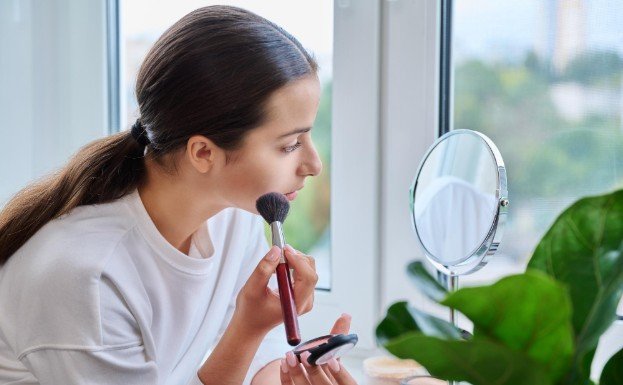
For sensitive skin, a breathable skin tint, tinted moisturizer, or light foundation is usually better than a full-coverage matte base. Apply a thin layer first and build only where needed. Use clean fingers, a soft sponge, or a gentle brush. Press instead of dragging the product across the skin.
Look for words like fragrance-free, non-comedogenic, dermatologist-tested, or suitable for sensitive skin. These labels are not perfect guarantees, but they can help you narrow your choices. The same careful label-checking also matters when exploring bridal makeup ideas, especially if your skin reacts easily before special events.
Conceal Only Specific Areas
Instead of applying heavy foundation everywhere, use concealer on redness, dark circles, acne marks, or uneven spots. This keeps the face natural and reduces the chance of irritation. Use a creamy concealer and tap it gently into place. If the under-eye area is sensitive, avoid applying product too close to the lash line.
Add Color Without Overloading the Skin
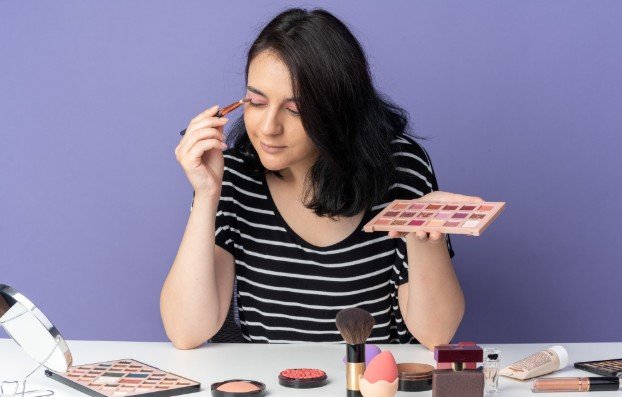
Pick Cream Blush Over Heavy Powder
Cream blush often looks softer on sensitive skin because it blends into the base instead of sitting on top of dryness. Choose a shade that looks close to your natural flush. Apply a tiny amount at first, then build slowly. Redness-prone skin may prefer soft peach, rose, or neutral tones instead of very bright pinks.
Keep Eye Makeup Simple
Sensitive eyes can react to glitter, strong fragrance, waterproof formulas, and old mascara. Choose gentle mascara and avoid applying eyeliner on the waterline if your eyes water easily. Neutral cream shadows or soft powder shadows are usually easier to wear than chunky shimmer.
Always replace mascara regularly and never share eye products. Clean tools matter because dirty brushes can trigger bumps, irritation, and eye discomfort.
Set Only Where You Need It
Powder can help makeup last, but too much powder can make sensitive skin look dry and textured. Use a small amount on the T-zone, around the nose, and under the eyes if needed. Knowing what to do for t-zone shine can help you control oil without drying the rest of the face. Leave the cheeks fresh if they tend to get tight or flaky.
A light setting spray can help melt layers together, but avoid formulas with strong fragrance or alcohol if your skin reacts quickly.
Ingredients and Product Habits to Avoid
Sensitive skin often does better when the routine is simple. Avoid heavily fragranced makeup, harsh alcohol-based formulas, rough exfoliating products before makeup, and thick layers of long-wear foundation every day. Some people also react to certain dyes, essential oils, or waterproof removers.
Patch testing is a smart habit. Try a new product on a small area near the jaw or behind the ear before using it across your face. If you notice burning, itching, bumps, or unusual redness, stop using it.
This makeup routine for sensitive skin works best when you introduce one new product at a time. That way, if your skin reacts, you know what caused the problem.
How to Remove Makeup Without Irritation
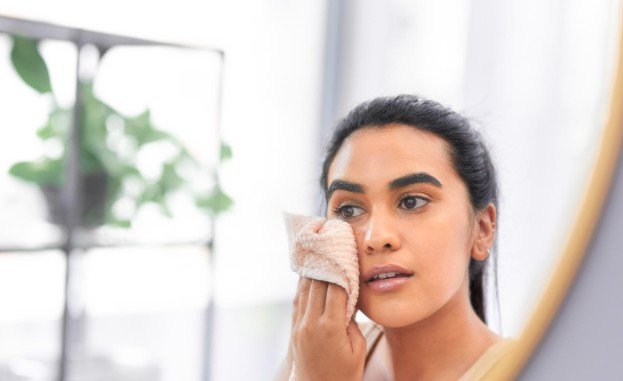
A gentle removal routine is just as important as application. Do not scrub your face to remove foundation or mascara. Use a mild cleansing balm, micellar water, or cream cleanser that suits sensitive skin. Press the product over the makeup, give it time to dissolve, and rinse gently.
After cleansing, apply a soothing moisturizer. If your skin feels hot or irritated after makeup removal, simplify your routine the next day and avoid active ingredients like strong acids or retinoids until the skin calms.
Common Mistakes That Trigger Sensitive Skin
One common mistake is using too many new products at once. Another is layering skincare actives under makeup, such as exfoliating acids, strong vitamin C, or retinol. These can be useful in a night routine, but they may make daytime makeup feel uncomfortable.
Sleeping with makeup on is another major problem. Even gentle products can trap sweat, oil, and pollutants when left overnight. Makeup brushes and sponges should also be cleaned often, especially if you are acne-prone or redness-prone.
Frequently Asked Questions
1. What is the best makeup routine for sensitive skin?
The best routine starts with gentle cleansing, moisturizer, sunscreen, light primer, breathable foundation, targeted concealer, minimal powder, and careful makeup removal.
2. Is powder or cream makeup better for sensitive skin?
Cream products are often better for dry or redness-prone skin, while light powder can help oily areas. The best choice depends on your skin texture and comfort.
3. Can sensitive skin wear foundation every day?
Yes, but choose lightweight, fragrance-free, non-comedogenic formulas and remove them gently every night to avoid buildup and irritation.
4. How do I stop makeup from burning my face?
Stop using the product that burns, rinse gently, moisturize, and check for fragrance, harsh alcohol, or strong active ingredients in your makeup or skincare.
Final Thoughts
I believe sensitive skin makeup should feel calm, not risky. You do not need ten layers or a drawer full of products to look polished. A simple routine with gentle prep, breathable coverage, clean tools, and careful removal can make makeup feel comfortable again. When your skin feels respected, your makeup looks smoother, fresher, and more natural throughout the day.