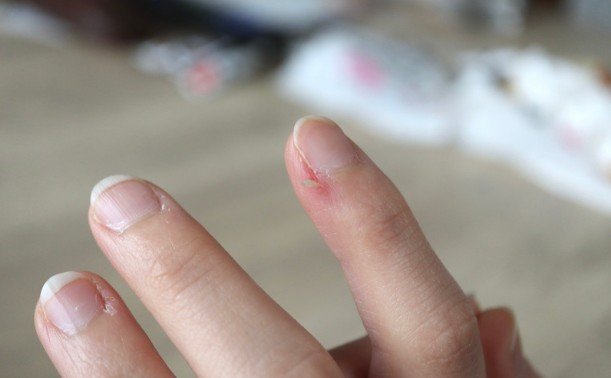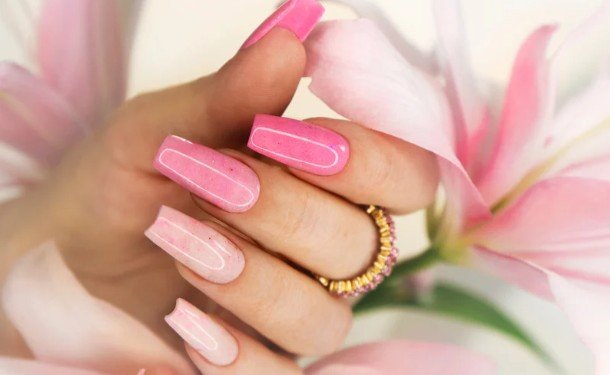
I want removing a manicure to feel like a fresh start, rather than leaving my fingertips tight and chalky. It is tempting to blame acetone alone, but the remover, rubbing technique, and frequency of polish changes all deserve attention.
Learning how to remove nail polish without drying out your nails means reducing unnecessary solvent exposure while avoiding scraping and aggressive wiping. No remover guarantees zero dryness. However, choosing a suitable formula, letting it soften the polish, and moisturizing afterward can make the process gentler.
Why Nails Feel Dry After Polish Removal
Removers dissolve the film that holds nail color in place. Unfortunately, their solvents can also dehydrate nails and irritate surrounding skin. Both acetone and acetone-free formulas can contribute to dryness, especially with frequent use.
Repeated rubbing adds another problem: mechanical stress. If you scrub stubborn color or peel away polish, you can damage the nail surface.
A temporarily dry appearance does not automatically mean permanent damage. Nevertheless, peeling, tenderness, or persistent changes deserve attention rather than another immediate manicure.
Choose Your Remover According to Your Polish
For Regular Nail Polish
An acetone-free remover may suit ordinary lacquer, particularly when your nails or cuticles already feel dry. Read the product directions and ingredient list instead of relying entirely on words such as “natural” or “gentle.”
Expect some formulas to work more slowly. Giving the remover time to dissolve color is preferable to compensating with forceful rubbing.
For Dark Colors and Glitter
Acetone removes polish efficiently and may be useful when thick layers or glitter resist a milder formula. The goal is controlled exposure, rather than repeatedly flooding your fingertips.
A stronger remover used effectively can reduce prolonged wiping. However, faster removal does not make acetone moisturizing or eliminate the need for aftercare.
For Gel Polish
Gel requires a separate removal approach. Do not assume that instructions for ordinary lacquer also apply to cured gel, dip powder, or extensions.
Follow the system’s removal instructions. Acetone is commonly needed for soak-off gel, while picking or forcefully scraping it can damage the nail plate.
A Gentle Routine for Removing Regular Polish
Prepare Your Supplies
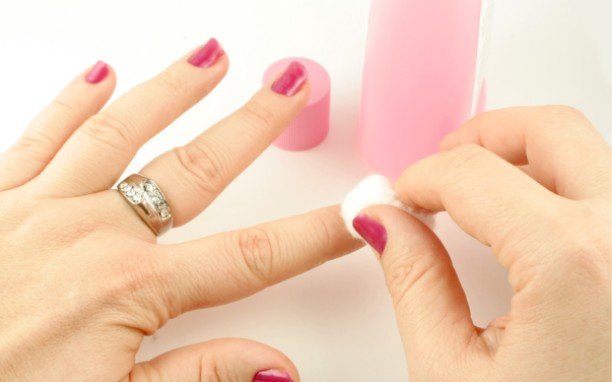
Gather remover, cotton pads, a soft towel, mild soap, and moisturizer. Protect your work surface and keep the room ventilated. Remover should stay away from flames and heat sources.
Having everything nearby makes it easier to finish without repeatedly touching bottles or leaving solvent against your skin unnecessarily. Keep moisturizer within reach for aftercare, especially if you want to prevent hangnails from coming back by keeping the skin around your nails soft.
Saturate the Pad Properly
Wet the pad according to the remover’s directions. A barely damp pad may drag across the nail before enough polish has dissolved.
Keep contact focused on the nail. Avoid soaking your entire hand when you only need to remove color from a small surface.
Hold Before Wiping
Press the pad against the polish and allow the formula to work for the recommended time. There is no universal waiting period: polish thickness and remover formulation both matter.
Wipe gently toward the nail tip. If color remains, use a clean section of the pad and repeat without increasing pressure.
Clean the Edges Carefully
Use a remover-dampened cotton swab for small traces near the sidewalls. Keep the swab on the polish rather than rubbing it over irritated skin.
Do not scrape away resistant fragments. If ordinary polish remains stubborn, check whether the remover is suitable for that formula.
Wash and Moisturize
Once removal is complete, wash gently, pat dry, and apply moisturizer over the nails and surrounding skin. Cuticle oil can complement this routine, but it should not replace moisturizing dry hands.
Regular moisturizer use, including after handwashing and before bed, supports care for brittle nails.
Mistakes That Make Dryness Worse
Changing polish repeatedly can mean frequent solvent exposure. If your nails are splitting, consider spacing out manicures while keeping them moisturized.
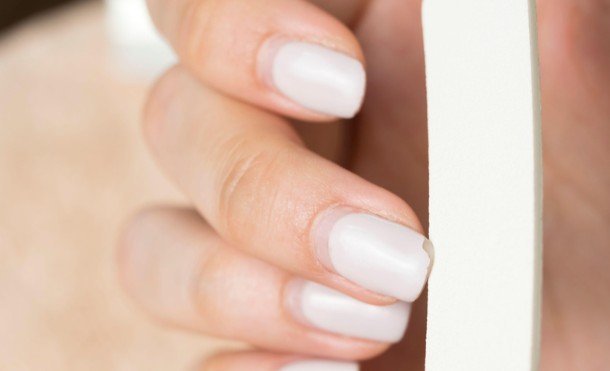
Avoid buffing away chalky areas or filing the nail surface to make it look smoother. Thinning the plate can worsen fragility.
Household substitutes also deserve caution. Alcohol-based products can dry skin, while abrasive methods encourage scrubbing. Being acetone-free does not automatically make a DIY method kinder.
Finally, avoid treating conditioning ingredients as a guarantee. Oils added to remover do not necessarily overcome the solvent’s dehydrating effect.
Frequently Asked Questions
1. What is the best way to learn how to remove nail polish without drying out your nails?
Start with a remover intended for your polish type. Follow its directions, let the polish soften before wiping, minimize surrounding skin exposure, and moisturize afterward.
2. Can acetone-free remover still cause dryness?
Yes. Acetone-free products contain other solvents that can dehydrate nails. Your technique, removal frequency, and aftercare remain important.
3. Should I peel off polish instead?
Avoid peeling ordinary or gel polish. Pulling attached color away can damage the nail surface. Products specifically designed for peel-off removal require their own instructions.
4. When should I get professional advice?
Seek advice for persistent pain, swelling, discoloration, lifting, or splitting. These changes should not automatically be attributed to remover.
My Approach to a Gentler Manicure Reset
For me, how to remove nail polish without drying out your nails comes down to patience and sensible aftercare. I would rather let the remover work than scrub harder.
Matching the formula to the manicure, limiting unnecessary exposure, and moisturizing consistently provide a practical foundation for healthier-looking nails between color changes.