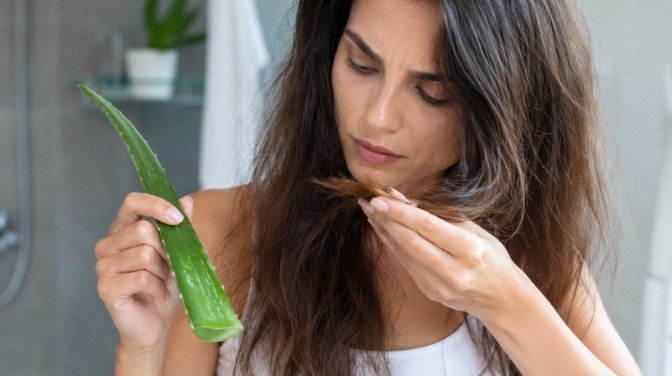
Scrolling through hair care tips online, aloe vera often shows up as a natural solution for dry hair, dandruff, and scalp irritation. While its benefits are widely discussed, the side effects of aloe vera on hair deserve equal attention. Understanding both the pros and cons can help you avoid unwanted surprises and build a hair care routine that actually works for your hair type.
Key Takeaways
- Aloe vera may trigger irritation or allergic reactions in sensitive individuals.
- Using aloe vera too often can make hair feel dry and brittle.
- Heavy application may leave behind sticky residue and buildup.
- Raw aloe latex can irritate the scalp if not removed properly.
- Following safe application methods helps reduce potential side effects.
Understanding Aloe Vera And Your Hair
Before looking at potential concerns, it helps to understand why aloe vera is so popular in hair care.
Why People Love Aloe Vera
Aloe vera contains water, amino acids, enzymes, vitamins, and minerals that may help support scalp health. Many people use it to calm itching, reduce flakes, and add temporary hydration.
Its cooling sensation makes it especially popular among people dealing with scalp discomfort during hot weather or after styling treatments.
Why Results Differ
Not every scalp reacts the same way. Hair texture, scalp sensitivity, product ingredients, and frequency of use all influence results.
What works beautifully for one person may create problems for someone else, especially if the product is overused or applied incorrectly.
Scalp Irritation And Allergic Reactions
One of the most important concerns involves skin sensitivity.
Signs Of Scalp Irritation
Some people experience redness, itching, burning sensations, or mild discomfort shortly after applying aloe vera. This reaction may occur because of natural plant compounds or ingredients added to commercial aloe products. For individuals with sensitive skin, even natural ingredients can sometimes trigger irritation rather than relief.
Who Is More Likely To React?
People allergic to plants in the lily family, including onions, garlic, and tulips, may have a higher chance of developing contact dermatitis from aloe vera.
Symptoms can include small rashes, itching, redness, and an uncomfortable burning feeling that develops after application.
Why A Patch Test Matters
Testing aloe vera on the inside of your wrist for at least two hours before applying it to your scalp can help identify possible reactions. This simple step reduces the risk of exposing your entire scalp to an ingredient that may not agree with your skin.
Dryness And Hair Breakage Risks
Many people are surprised to learn that aloe vera can sometimes contribute to dryness.
How Overuse Affects Hair
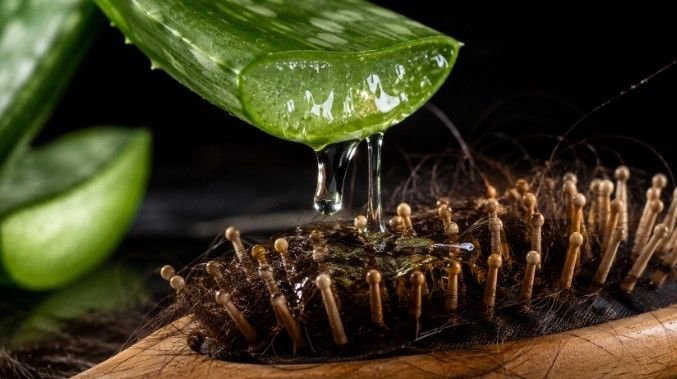
Aloe vera contains mild enzymatic and astringent properties. While these qualities may help cleanse the scalp, excessive use can strip away natural oils. Without enough natural oils, hair may begin to feel rough, dull, and less flexible.
Brittle Strands And Frizz
Using aloe vera more than two or three times per week may increase the risk of brittle strands in some hair types. Dry hair often becomes more prone to frizz, tangling, and breakage during brushing or styling.
Hair Types At Greater Risk
Low-porosity hair, chemically treated hair, and naturally dry hair textures may notice these effects sooner than others. For these hair types, moderation is often more effective than frequent treatments.
Sticky Buildup You Might Not Notice
Not every side effect appears immediately.
How Residue Forms
Applying large amounts of aloe vera gel, especially when mixed with oils, can leave behind a sticky coating on the scalp and hair strands. Improper rinsing makes this residue even more noticeable over time.
Impact On Scalp Health
A buildup layer can trap dirt, make hair appear limp, and reduce the effectiveness of other hair care products. In some cases, clogged follicles may contribute to scalp discomfort and an unhealthy scalp environment.
Why Hair Feels Heavy
Many people mistake buildup for damaged hair when the real issue is simply leftover product accumulating on the strands. Proper cleansing helps prevent this common problem.
Medication Interactions To Know
This is one of the least discussed topics surrounding aloe vera use.
Topical Steroid Concerns
People who use topical steroid creams such as hydrocortisone on the scalp should be cautious. Aloe vera may increase the absorption rate of certain topical medications, potentially intensifying their effects.
Possible Side Effects
Increased absorption may contribute to stinging, tingling, irritation, or unexpected reactions in sensitive individuals. This is why checking with a healthcare professional is a smart step before combining treatments.
When To Seek Advice
Anyone managing chronic scalp conditions or prescription treatments should consult a dermatologist before introducing aloe vera into their routine.
Safe Ways To Use Aloe Vera
The good news is that most concerns can be minimized with proper application techniques.
Wash It Out Properly
Treat aloe vera as a hair mask or scalp treatment instead of a permanent leave-in product. After allowing it to sit briefly, rinse thoroughly to prevent residue and buildup.
Avoid Aloe Latex
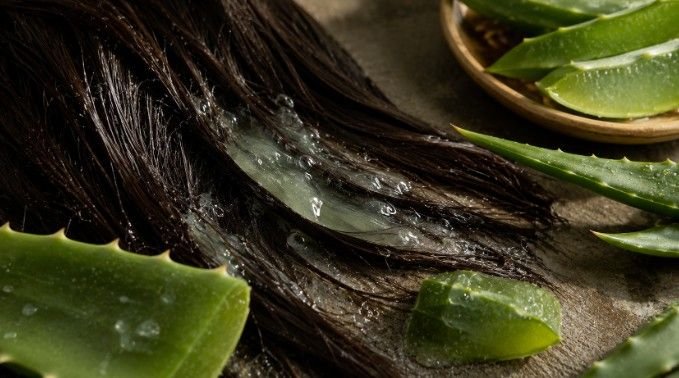
Fresh aloe leaves contain a yellow substance near the rind called aloe latex. This material is a known irritant and should be washed away completely before applying fresh aloe gel to your scalp.
Choose Better Products
Always check ingredient labels carefully. Many aloe vera gels contain alcohol, fragrances, artificial dyes, and preservatives that may cause dryness or irritation. Choosing a high-quality, pure aloe vera product can help reduce these risks.
Side Effects Of Aloe Vera On Hair In Daily Life
Understanding the side effects of aloe vera on hair becomes easier when you know how to apply it correctly.
- Start by washing fresh aloe thoroughly and removing any yellow latex. Apply a small amount to clean hair and scalp. Leave it on for a short period before rinsing completely.
- Use aloe vera no more than two or three times per week unless advised otherwise by a professional. Follow with a moisturizing conditioner to maintain hydration and softness.
- Pay attention to how your scalp responds. If you notice itching, increased shedding of hair, persistent redness, or unusual dryness, discontinue use and evaluate whether aloe vera is suitable for your hair type.
Frequently Asked Questions
1. Who should not use aloe vera on hair?
People with aloe allergies, lily-family plant sensitivities, active scalp irritation, or those using certain topical medications should avoid aloe vera unless approved by a healthcare professional.
2. What are the big 3 for hair regrowth?
The three most commonly discussed approaches include minoxidil treatment, scalp stimulation techniques, and maintaining a nutrient-rich diet that supports healthy hair growth cycles.
3. Can aloe vera help with IC?
Some individuals use aloe vera supplements for interstitial cystitis, but scientific evidence remains limited. Always consult a healthcare provider before using aloe vera for medical conditions.
4. Is it safe to put aloe vera in your hair every day?
Daily application is not ideal for everyone. Frequent use may increase the risk of dryness, buildup, irritation, or imbalance, especially in sensitive or low-porosity hair types.
Aloe Vera: Helpful Hero Or Hair Care Plot Twist?
The side effects of aloe vera on hair do not mean you should avoid this popular ingredient altogether. Aloe vera can still be beneficial when used correctly and in moderation.
The key is understanding your hair type, avoiding overuse, choosing quality products, and paying attention to how your scalp reacts. A balanced approach allows you to enjoy the benefits while minimizing irritation, dryness, buildup, and other unwanted surprises.