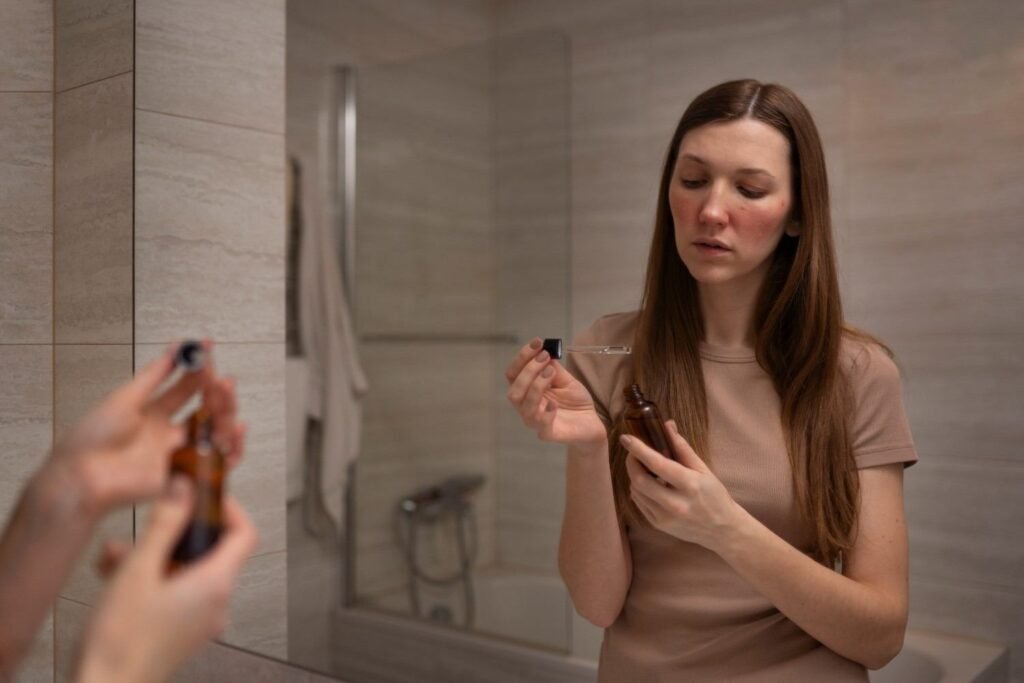
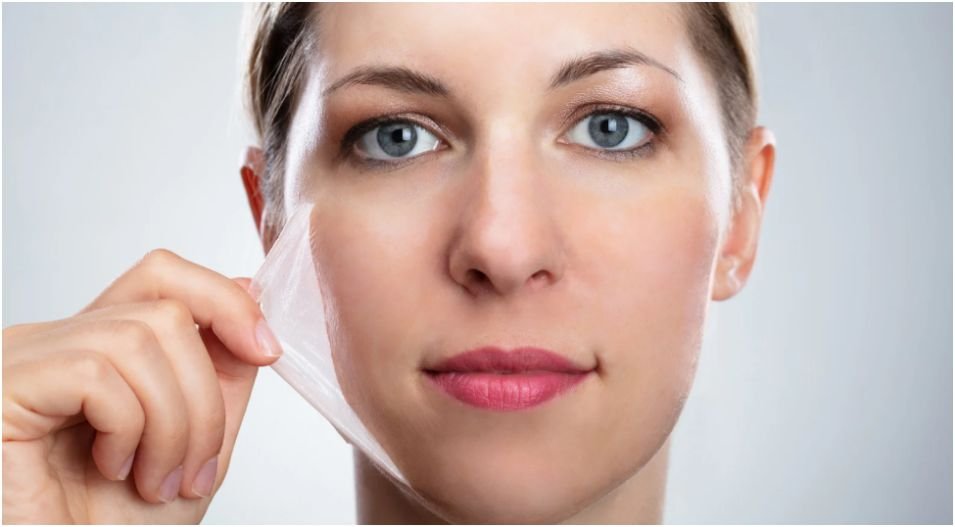
If your acne gets worse every time you scrub harder, your skin is probably begging you to stop. chemical exfoliation for acne prone skin can clear clogged pores, smooth rough texture, and fade post-breakout marks, but only when the acid matches the problem.
I learned this the hard way. My biggest acne mistake was treating every bump like it needed the strongest product. It did not. Blackheads, red pimples, dark marks, and sensitive flare-ups all need different levels of exfoliation.
Why Chemical Exfoliation Works Better Than Scrubs
Physical scrubs feel satisfying, but acne-prone skin often hates friction. Gritty particles can irritate inflamed bumps, weaken the skin barrier, and leave the face feeling raw. Chemical exfoliants work differently. They loosen dead skin buildup without the scraping motion.
That matters because most acne starts with a blocked pore. Oil, dead skin cells, and sticky debris collect inside the follicle. Once that plug forms, it can become a blackhead, whitehead, or angry pimple. The right acid helps dissolve buildup before it turns into a bigger breakout.
Good chemical exfoliation for acne prone skin should never feel like punishment. Mild tingling can happen, but burning, peeling sheets of skin, or shiny tightness means the routine is too aggressive.
Best Acids for Acne-Prone Skin
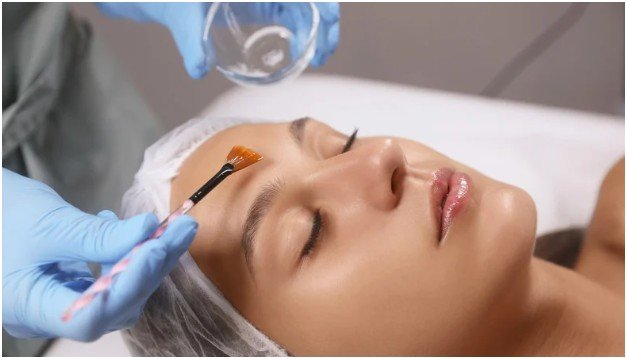
The best acid depends on your acne pattern. I use this simple rule: treat oily clogs with BHA, texture and marks with AHA, sensitivity with mandelic acid or PHAs, and redness with azelaic acid.
Salicylic Acid for Blackheads, Whiteheads, and Oily Pores
Salicylic acid is the main character for oily, congested, acne-prone skin. It is a beta-hydroxy acid, or BHA, which means it can work inside oily pores. That makes it especially useful for blackheads, whiteheads, enlarged-looking pores, and recurring breakouts around the nose, chin, and forehead.
For leave-on products, 1% to 2% salicylic acid is usually enough. A cleanser can be a gentler option because it rinses off. I prefer leave-on BHA only two or three nights weekly at first. More is not always better when acne already feels inflamed.
Mandelic Acid for Sensitive Acne and Uneven Tone
Mandelic acid is an alpha-hydroxy acid, but it behaves more gently than glycolic acid. Its larger molecular size means it absorbs more slowly. That slower pace makes it useful for people who want surface exfoliation without the sharp sting stronger acids can bring.
I like mandelic acid for sensitive acne-prone skin, mild texture, and uneven tone. It can be a smart choice when salicylic acid feels too drying or when active pimples sit beside post-acne marks.
Glycolic and Lactic Acid for Post-Acne Marks
Glycolic acid and lactic acid are AHAs. They work more on the surface, so they are better for dullness, rough patches, and leftover discoloration than deep oily clogs.
Glycolic acid is stronger and more penetrating. It can smooth texture quickly, but it can also irritate reactive skin. Lactic acid is usually gentler and more hydrating, which makes it better for dry acne-prone skin.
For chemical exfoliation for acne prone skin, I would not start with daily glycolic acid. I would use it once weekly, then watch how the skin responds for two weeks.
LHA and PHAs for a Weak Skin Barrier
LHA, or lipo-hydroxy acid, is related to salicylic acid but works more slowly. That makes it useful for people who want pore care without the harsh feel of stronger BHA products.
PHAs, such as gluconolactone and lactobionic acid, are even gentler. They exfoliate the surface while also helping the skin hold water. I reach for PHAs when skin feels tight, dehydrated, or recently over-exfoliated.
If your face stings from plain moisturizer, pause acids first. Then follow the routine by knowing how often should you exfoliate sensitive skin before increasing frequency.
Azelaic Acid for Redness, Bumps, and Dark Spots
Azelaic acid is not a classic exfoliating acid like AHA or BHA, but it belongs in this conversation. It helps acne-prone skin because it supports clearer pores, calms visible redness, and helps fade post-acne discoloration.
I like azelaic acid for people who have acne plus redness or rosacea-like sensitivity. It can also help when pimples leave brown or red marks long after they flatten.
My Simple Routine for Acne-Prone Skin
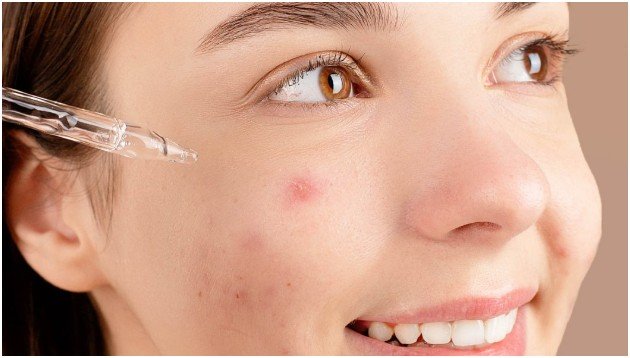
A safe routine beats a crowded routine. My acne-prone skin does best when I use one exfoliating active at a time, then build around moisture and sunscreen.
At night, cleanse with a gentle face wash. Pat the skin completely dry. Apply the exfoliant in a thin layer. Follow with a non-comedogenic moisturizer. In the morning, use a broad-spectrum SPF 30 or higher.
That last step is non-negotiable. AHAs can make skin more sun-sensitive, and unprotected sun exposure can make post-acne marks look darker.
A Worked Example for Oily Skin With Red Marks
Here is the routine I would use for oily pores plus leftover acne marks:
Monday night: 2% salicylic acid
Wednesday night: azelaic acid
Friday night: lactic acid or mandelic acid
All other nights: cleanser, moisturizer, and no exfoliating acid
This gives the pores attention without attacking the barrier every night. It also separates stronger actives, which lowers the chance of stinging and peeling.
This is the part many routines get wrong. chemical exfoliation for acne prone skin should feel boring most nights. Skin improves faster when it is not constantly recovering from irritation.
How to Apply Exfoliating Acids Without Irritation
Apply leave-on acids to dry skin. Damp skin can increase penetration, which may increase irritation. Use a pea-sized amount for thicker creams or a thin sweep for liquids. Do not keep adding layers because a pimple looks stubborn.
Start once or twice weekly if your skin is sensitive. Move to every other night only if there is no burning, flaking, or tightness. Daily use should be earned, not assumed.
Moisturizer matters as much as the acid. Look for barrier-friendly ingredients like glycerin, ceramides, hyaluronic acid, panthenol, or niacinamide. These help keep the routine balanced.
What Not to Mix on Exfoliation Night
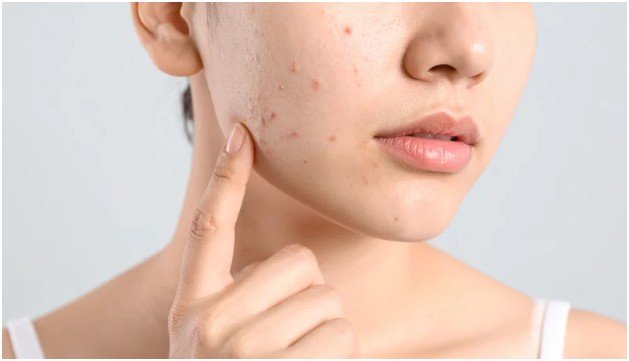
Do not use every active on the same night. That is how a glow routine turns into a red, flaky mess.
Avoid layering exfoliating acids with retinoids, benzoyl peroxide, strong vitamin C, harsh scrubs, or at-home peeling solutions unless a dermatologist tells you to. Acne-prone skin can handle powerful ingredients, but not all at once.
If you use a prescription acne medication, ask your dermatologist before adding acids. Prescription retinoids, oral acne treatments, and in-office peels can change what your skin can tolerate.
Products Worth Considering
Paula’s Choice Skin Perfecting 2% BHA Liquid Exfoliant is a popular leave-on salicylic acid option for blackheads, oily congestion, and uneven texture. It is best for people who can tolerate a leave-on BHA.
COSRX BHA Blackhead Power Liquid is another pore-focused option, often chosen by people who want a lighter-feeling formula.
CeraVe Renewing SA Cleanser can suit beginners who prefer rinse-off exfoliation. A salicylic acid cleanser gives contact time without leaving acid on the skin overnight.
Cetaphil Gentle Exfoliating SA Cleanser uses a blend of salicylic acid, mandelic acid, and gluconolactone. That mix makes sense for sensitive, oily, acne-prone skin that needs gentle exfoliation with barrier support.
The Ordinary Azelaic Acid Suspension 10% and Paula’s Choice 10% Azelaic Acid Booster are common options for acne-prone skin with redness or post-acne marks.
Product choice matters, but frequency matters more. The most expensive exfoliant will still irritate your skin if you use it too often.
FAQs About Chemical Exfoliation for Acne-Prone Skin
1. Is chemical exfoliation good for acne prone skin?
Yes, chemical exfoliation can help acne-prone skin by clearing dead skin buildup, clogged pores, rough texture, and post-acne marks.
2. Which acid is best for acne and blackheads?
Salicylic acid is usually best for acne and blackheads because it works inside oily pores.
3. How often should acne-prone skin use chemical exfoliants?
Start one to three nights weekly, then increase only if your skin stays calm, hydrated, and comfortable.
4. Can I use salicylic acid and glycolic acid together?
You can alternate them on different nights, but layering both may irritate acne-prone or sensitive skin.
The Glow-Up Is Not Worth a Damaged Barrier
Clear skin is cute, but a calm barrier is the real flex. chemical exfoliation for acne prone skin works best when you stop chasing the strongest acid and start choosing the smartest one.
Use salicylic acid for oily clogs, mandelic or PHAs for sensitivity, lactic or glycolic acid for texture, and azelaic acid for redness and marks. Start slow, moisturize well, and wear sunscreen every morning. Your pores do not need a war. They need a plan.