
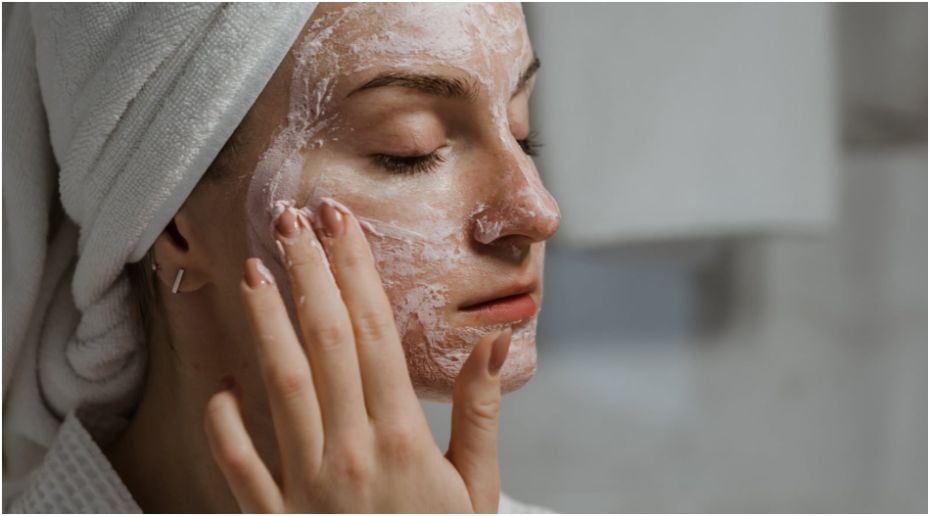
If your face turns red after “gentle” products, exfoliation can feel risky. I have learned that the real answer to how often should you exfoliate sensitive skin is not “as often as the bottle says.” It is once a week at most for most people, and sometimes only once every 10 to 14 days.
Sensitive skin needs results without drama. The goal is not to scrub your face into smoothness. The goal is to remove dull surface buildup while keeping your skin barrier calm, hydrated, and steady.
The Short Answer for Sensitive Skin
For most sensitive skin, exfoliating once a week is enough. If your skin is very reactive, dry, flaky, sunburned, or already stinging, start once every two weeks instead.
The safest rule is simple: exfoliate less than you think you need. Sensitive skin often responds better to patience than pressure. If one weekly session leaves your skin soft, even, and comfortable, stay there. Do not increase just because your skin survived one try.
If your skin handles once weekly exfoliation for at least one month, you may test 1 to 2 times per week. I would only do that if your skin has no burning, tightness, peeling, or sudden breakouts.
Why Sensitive Skin Needs a Slower Exfoliation Schedule
Sensitive skin usually has a weaker or more reactive barrier. That barrier helps hold water in and keep irritants out. When exfoliation strips too much too soon, the skin can lose moisture and become more reactive.
That is why how often should you exfoliate sensitive skin depends on your barrier, not your calendar. Someone with oily, resilient skin may tolerate frequent exfoliation. Sensitive skin usually needs longer recovery time between sessions.
A slow schedule also helps you spot triggers. If you start with three active products at once, you cannot tell what caused the redness. When you exfoliate once weekly, it becomes easier to understand what your skin accepts.
Gentle Chemical Exfoliants for Sensitive Skin
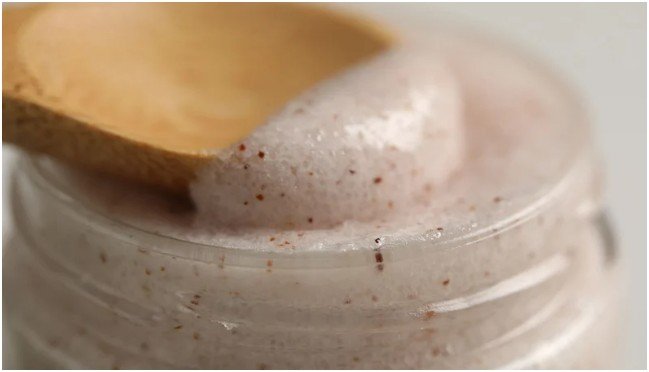
Sensitive skin usually does better with mild chemical exfoliants than rough scrubs. Chemical exfoliants loosen dead skin cells without requiring forceful rubbing.
Why PHAs Are Usually the Safest Starting Point
PHAs, or polyhydroxy acids, are often a good first choice for sensitive skin. Common PHAs include gluconolactone and lactobionic acid. They work on the surface and tend to feel gentler than stronger acids.
I like PHAs for sensitive skin because they support a smoother look without the same sharp sting many people feel from stronger exfoliants. They also have moisture-supporting properties, which matters when dryness and irritation show up fast.
When Lactic Acid or Mandelic Acid Can Work
Mild AHAs, such as lactic acid and mandelic acid, can also work for sensitive skin when used carefully. Lactic acid is often chosen for dry-looking, dull skin. Mandelic acid is usually slower-feeling and can suit skin that reacts easily.
The key is strength and frequency. A low-strength product once a week is very different from a strong peel used often. If your skin is new to acids, do not chase the highest percentage.
What to Avoid When Exfoliating Sensitive Skin

The wrong method can turn a simple glow step into a barrier problem. Sensitive skin needs low friction, low frequency, and low irritation.
Physical Scrubs and Rough Tools
Avoid harsh physical scrubs with apricot pits, sugar crystals, walnut shell powder, stiff brushes, or rough washcloths. These can create tiny injuries on the skin surface and trigger redness fast.
Even if a scrub feels satisfying, sensitive skin may pay for it later. Tightness, heat, and patchy flaking usually mean the product was too aggressive.
Strong Actives on the Same Night
Do not stack exfoliation with retinoids, benzoyl peroxide, strong vitamin C, or another acid on the same night. That is too much for many sensitive skin routines.
I keep exfoliation night boring on purpose. Gentle cleanser, mild exfoliant, moisturizer, done. The less you combine, the easier it is to protect your barrier.
My Skin Barrier Traffic-Light Method

This is the original method I use to decide whether exfoliation makes sense that week. It is simple, but it prevents most over-exfoliation mistakes.
Green Light: Exfoliate Once This Week
You can exfoliate once this week if your skin feels calm after cleansing and moisturizing. No burning. No tight shine. No new flaky patches. No unusual redness.
This is the ideal time to use a mild PHA, lactic acid, or mandelic acid product at night.
Yellow Light: Wait 10 to 14 Days
Wait longer if your skin feels slightly tight, looks dull but dry, or has mild redness around the cheeks or mouth. This means your skin may need hydration more than exfoliation.
In this stage, I focus on barrier care first. A gentle cleanser, fragrance-free moisturizer, and sunscreen usually do more than another active.
Red Light: Stop for 2 to 3 Weeks
Stop exfoliating completely if your skin stings when you apply normal moisturizer. Also stop if your skin looks shiny but feels tight, flakes in patches, burns after cleansing, or breaks out suddenly.
That shiny, plastic-like look is not a glow. It can be a sign that the barrier is stripped. Give your skin two to three weeks of simple care before trying again.
A Simple Weekly Sensitive Skin Exfoliation Routine
A safe routine should feel calm from start to finish. If it burns, it is not “working harder.” It is warning you.
Step 1: Patch Test First
Patch test 24 to 48 hours before using a new exfoliant on your face. Apply a tiny amount behind your ear, along the jawline, or on the inner wrist.
If you notice itching, burning, swelling, or redness, skip that product. Sensitive skin does not need to be trained to tolerate irritation.
Step 2: Cleanse and Dry Your Skin
Use a gentle, fragrance-free cleanser in the evening. Pat your face dry and wait a few minutes before applying a leave-on chemical exfoliant.
Applying acids to damp skin can make them absorb faster. For sensitive skin, faster is not always better.
Step 3: Apply a Mild Exfoliant
Use a thin layer of your PHA, lactic acid, or mandelic acid product. Follow the product directions. If it is a wash-off formula, start with the shortest recommended time.
Do not rub hard. Do not apply a second layer. Do not use it again the next night to “speed up” results.
Step 4: Repair the Barrier
Follow with a rich, barrier-supporting moisturizer. Look for ingredients such as ceramides, glycerin, hyaluronic acid, panthenol, or centella asiatica.
The next morning, use a broad-spectrum sunscreen. I prefer SPF 30 or higher after exfoliation because fresh surface skin is more vulnerable to sun damage.
Over-Exfoliation Signs You Should Never Ignore
Your skin will usually tell you when exfoliation is too much. The problem is that many people ignore the early signs.
Watch for stinging when applying basic moisturizer, redness that lingers, flaky dry patches, sudden rough texture, burning after cleansing, or new breakouts. A tight, shiny surface can also signal barrier stress.
If this happens, stop exfoliating. Do not switch to a different acid the next day. Do not add a clay mask. Do not scrub the flakes away. Use a gentle cleanser, moisturizer, and sunscreen until your skin feels normal again.
Should You Exfoliate Sensitive Skin in the Morning or Night?
Night is the better choice for sensitive skin. Evening exfoliation gives your skin time to settle before sun exposure, makeup, sweat, and outdoor pollution.
Morning exfoliation can leave the skin more exposed during the day. If you use AHAs, sun protection becomes even more important because these ingredients can increase sun sensitivity.
I treat exfoliation night like a reset night. No extra treatments. No experimenting. No “just one more serum.” Sensitive skin likes a calm routine.
FAQs
1. Can I exfoliate sensitive skin twice a week?
Yes, but only if your skin tolerates once weekly exfoliation for at least one month without redness, burning, flaking, or tightness.
2. What is the best exfoliant for sensitive skin?
PHAs are often the gentlest starting point, while mild lactic acid or mandelic acid may work for some sensitive skin types.
3. How often should you exfoliate sensitive skin if it is dry?
Start once every 10 to 14 days, then increase only if your skin stays comfortable and hydrated.
4. Should sensitive skin avoid exfoliation completely?
Not always, but skip exfoliation during sunburn, active irritation, eczema flares, open cuts, or barrier damage.
Final Glow Check: Smooth Skin Should Not Feel Punished
I do not believe sensitive skin needs to avoid exfoliation forever. I do believe it needs better timing, softer ingredients, and fewer risky combinations.
The best answer to how often should you exfoliate sensitive skin is once a week for calm skin, once every 10 to 14 days for reactive skin, and not at all when your barrier is upset. Your next step is simple: patch test one gentle exfoliant, use it at night, moisturize well, and let your skin vote before you increase.