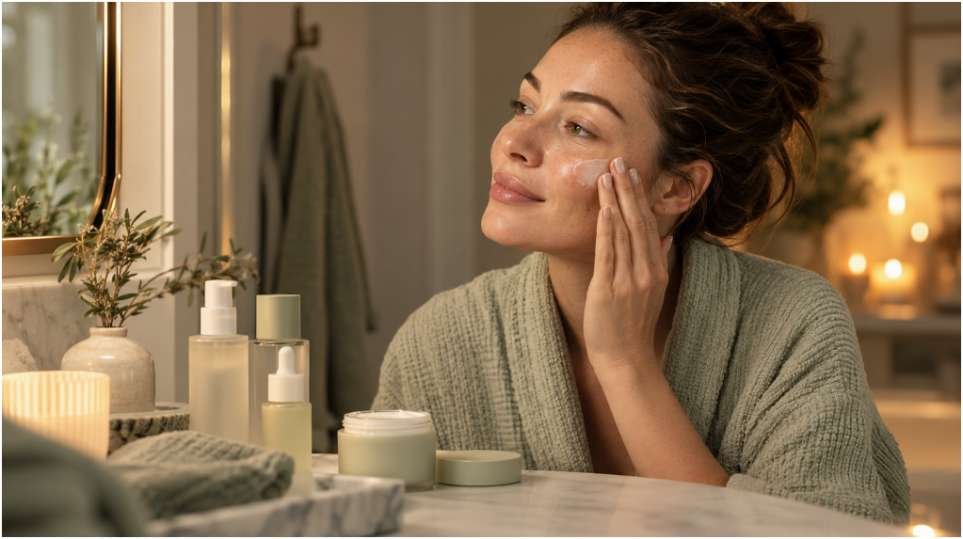
Rough skin has a way of making everything else in a skincare routine feel less effective. Makeup can sit unevenly, moisturizer may seem to disappear without fixing the texture, and the skin can still feel bumpy or coarse even when it looks hydrated. I have found that the real challenge is not choosing the most expensive facial, but figuring out what is actually causing the roughness.
If you are asking what spa treatment helps with rough skin texture, the best answer depends on whether the issue comes from dryness, dead skin buildup, clogged pores, sun damage, enlarged pores, acne scars, or collagen loss. Some people only need gentle exfoliation and hydration, while others may get better results from treatments such as chemical peels, HydraFacial, microneedling, or laser resurfacing. The right approach starts with matching the treatment to the type and depth of your skin texture.
Why Does My Skin Feel Rough and Uneven?
Rough skin often develops when dead cells collect on the surface instead of shedding evenly. This buildup can leave the complexion looking dull and feeling coarse.
Dehydration can make the problem worse. Skin that lacks enough moisture may feel tight, flaky, or textured even when it does not look visibly dry.
Congestion is another common cause. Clogged pores can create tiny bumps across the forehead, cheeks, chin, and nose. Deeper texture may come from acne scars, enlarged pores, collagen loss, repeated sun exposure, or age-related changes.
A damaged skin barrier can also create roughness. When the barrier becomes irritated from over-exfoliation, strong skincare products, or environmental stress, skin may become dry, sensitive, flaky, and uneven.
Which Spa Treatments Work Best for Surface Roughness?
Chemical Peels for Dead Skin Buildup and Dullness
Chemical peels are one of the most common professional resurfacing treatments for rough skin.
A spa or medical provider applies a controlled chemical solution that loosens bonds between dead surface cells. Glycolic acid, lactic acid, and salicylic acid are commonly used depending on the concern.
A light peel can help improve dullness, clogged pores, mild discoloration, and superficial roughness. Stronger peels may require more recovery time.
I would not choose a peel simply because it is stronger. Skin type, sensitivity, pigmentation concerns, current products, and previous procedures all affect which peel is appropriate.
Microdermabrasion for Mild Uneven Texture
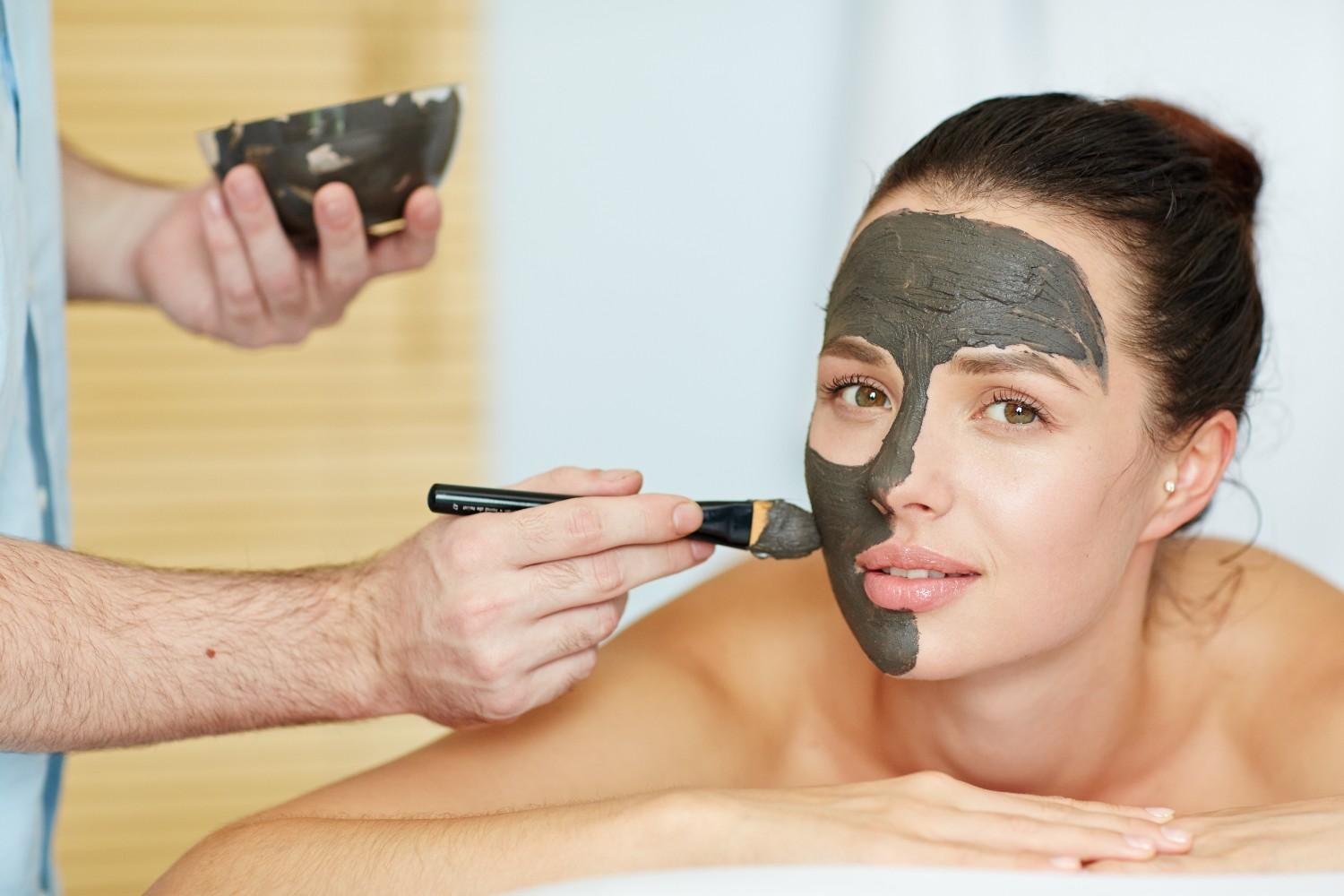
Microdermabrasion uses a specialized device to physically exfoliate the outer layer of skin.
It can work well when the skin feels slightly thick, dull, or coarse because of surface buildup. Removing some of that dead skin can create a smoother appearance and may help skincare products apply more evenly. However, someone searching for the best spa facial for dehydrated sensitive skin may need a gentler, more hydration-focused treatment instead of aggressive exfoliation.
Microdermabrasion is better suited to superficial texture than deep acne scars. People with active inflammation, rosacea, or a compromised skin barrier may need a gentler option.
HydraFacial for Dehydration and Congested Pores
HydraFacial combines cleansing, exfoliation, pore extraction, and hydrating serums in one treatment.
I think it is particularly useful when rough texture appears alongside dehydration, dullness, or clogged pores. Because it focuses on both exfoliation and hydration, it can create smoother-looking skin without the peeling associated with stronger resurfacing treatments.
HydraFacial may improve mild texture, but it cannot completely correct deep acne scars or major structural irregularities.
Dermaplaning for Flaky and Dull Skin
Dermaplaning removes dead surface cells and fine facial hair using a sterile blade.
For skin that feels flaky or looks uneven under makeup, the immediate smoothing effect can be noticeable. It works best for superficial buildup rather than deeper scarring.
Enzyme Facials for Sensitive Skin
Sensitive skin does not always tolerate strong acids or aggressive physical exfoliation.
Enzyme facials offer a gentler approach by helping loosen dead surface cells without intense abrasion. I would consider this type of treatment when the skin feels rough but is also reactive, dry, or easily irritated.
Which Treatments Help With Deeper Skin Texture?
Microneedling for Acne Scars and Enlarged Pores
When texture comes from acne scars, enlarged pores, or collagen loss, surface exfoliation may not be enough.
Microneedling, also known as collagen induction therapy, uses very fine sterile needles to create controlled micro-injuries in the skin. This process encourages the skin’s repair response and new collagen production.
Over time, microneedling may help create a more refined surface and soften the appearance of certain acne scars and enlarged pores.
Because this is a more advanced procedure than a basic facial, it should be performed by an appropriately trained provider in accordance with state regulations.
Laser Resurfacing for Stubborn Texture and Photoaging
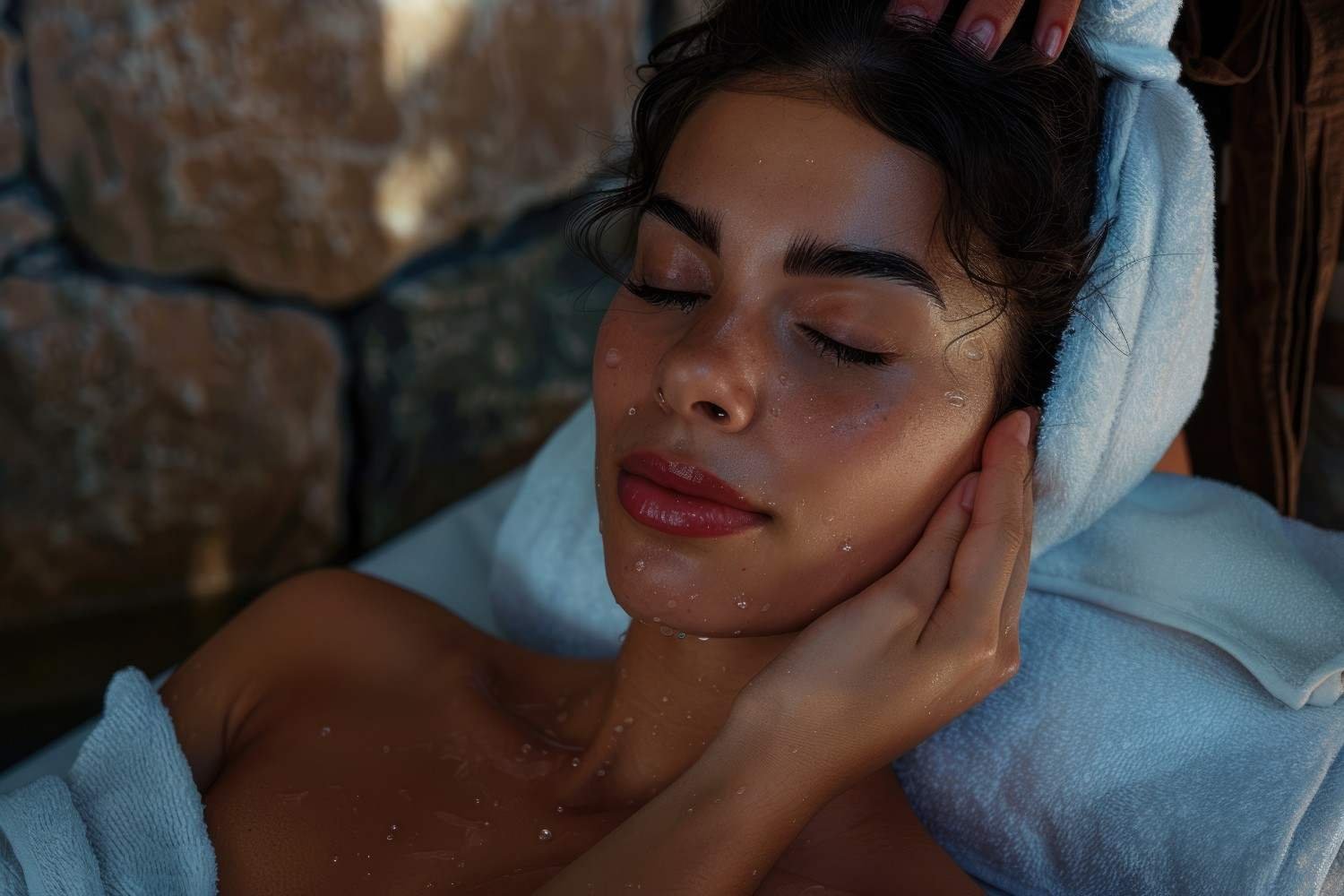
Laser skin resurfacing works at a deeper level than most traditional facials.
Technologies such as Moxi and Clear + Brilliant are used by some US aesthetic practices to address concerns including photoaging, uneven tone, enlarged pores, and stubborn texture.
Laser treatments can also be considered for an orange-peel-like appearance when the texture comes from deeper structural changes rather than simple dryness.
Treatment intensity and downtime vary significantly, so a consultation with a qualified medical or aesthetic provider is important before choosing a laser procedure.
How Do I Choose the Right Treatment for My Skin?
When someone asks me what spa treatment helps with rough skin texture, I think the easiest way to decide is to match the treatment to the type of roughness.
Dry, tight, flaky skin may respond best to a hydrating facial or gentle enzyme treatment. Dull, coarse skin caused by dead-cell buildup may benefit from a chemical peel, microdermabrasion, or dermaplaning.
Congested skin may respond well to HydraFacial or a professional cleansing treatment.
Deeper acne scars, enlarged pores, and age-related texture may require collagen-stimulating procedures such as microneedling or laser resurfacing.
If your skin is red, burning, peeling, or unusually sensitive, rebuilding the skin barrier should usually come before aggressive resurfacing.
How Can I Maintain Smoother Skin Between Spa Visits?
Professional treatments work better when they are supported by a consistent home routine.
Gentle chemical exfoliants containing ingredients such as glycolic, lactic, or salicylic acid can help reduce dead-cell accumulation when used appropriately. Stronger is not always better, especially if you already use retinoids or other active ingredients.
Retinoids can support cellular turnover and may gradually improve uneven texture, but they can also cause dryness and irritation when introduced too quickly.
Daily moisturizer is equally important. Ingredients such as ceramides, glycerin, and hyaluronic acid can support hydration and barrier function.
For rough body skin or keratosis pilaris on the arms and legs, lotions or serums containing urea, AHAs, or salicylic acid may help soften and smooth the surface.
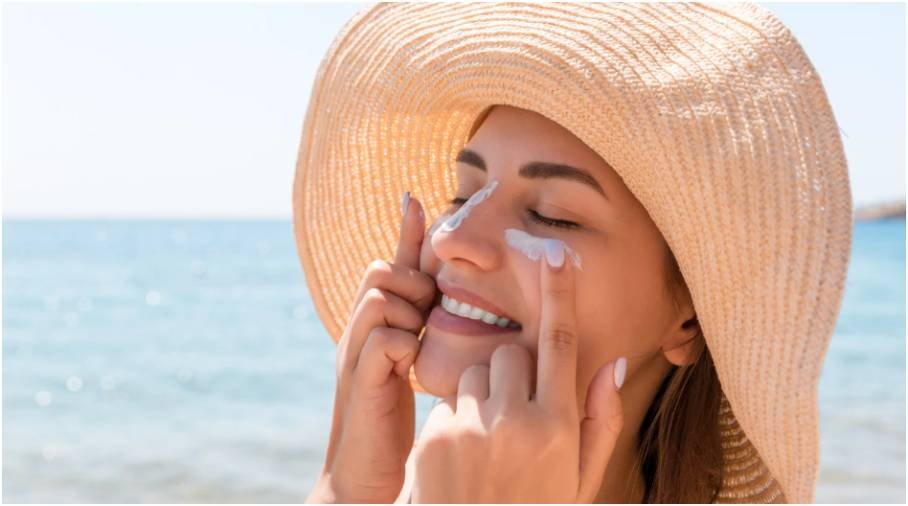
Broad-spectrum sunscreen is essential because repeated UV exposure can contribute to roughness, pigmentation changes, and collagen loss.
How Often Should I Get Treatments for Rough Skin?
Treatment frequency depends on the procedure.
A hydrating facial may be repeated more frequently than microneedling, chemical peels, or laser resurfacing. Advanced procedures typically require more recovery time between sessions.
I would rather give my skin enough time to recover than repeatedly exfoliate it in an attempt to get faster results. Over-treatment can damage the barrier and make roughness, sensitivity, and inflammation worse.
Frequently Asked Questions (FAQs)
1. What facial is best for rough skin texture?
HydraFacial, hydrating facials, enzyme treatments, dermaplaning, and light chemical peels can all help with superficial roughness. The best choice depends on whether your skin is dry, congested, sensitive, or affected by dead skin buildup.
2. Is HydraFacial good for bumpy skin?
HydraFacial can help when bumps come from congestion, surface buildup, or dehydration. It is less effective for deep acne scars or structural texture changes.
3. Does microneedling help rough skin?
Microneedling can help improve deeper texture related to acne scars, enlarged pores, and collagen loss by encouraging the skin’s natural repair process.
4. Can laser treatments smooth rough skin?
Laser resurfacing may improve stubborn texture, sun damage, visible pores, and some types of acne scarring. The appropriate laser and treatment strength depend on skin type and the depth of the concern.
5. What spa treatment helps with rough skin texture caused by dryness?
A hydrating facial, enzyme facial, or gentle HydraFacial may be a better starting point than aggressive resurfacing when dehydration is the main cause.
Final Take
When I am deciding how to improve rough skin, I focus on the cause rather than the trendiest treatment. Surface dryness and dead-cell buildup may improve with HydraFacial, chemical peels, microdermabrasion, dermaplaning, or enzyme facials, while deeper texture often needs collagen-focused treatments such as microneedling or laser resurfacing.
For me, the most effective approach combines professional treatment with consistent home care, including gentle exfoliation, hydration, retinoids when appropriate, and daily sunscreen. If texture is persistent, painful, inflamed, or linked to significant scarring, I would speak with a board-certified dermatologist or another qualified skin professional before choosing an advanced treatment.