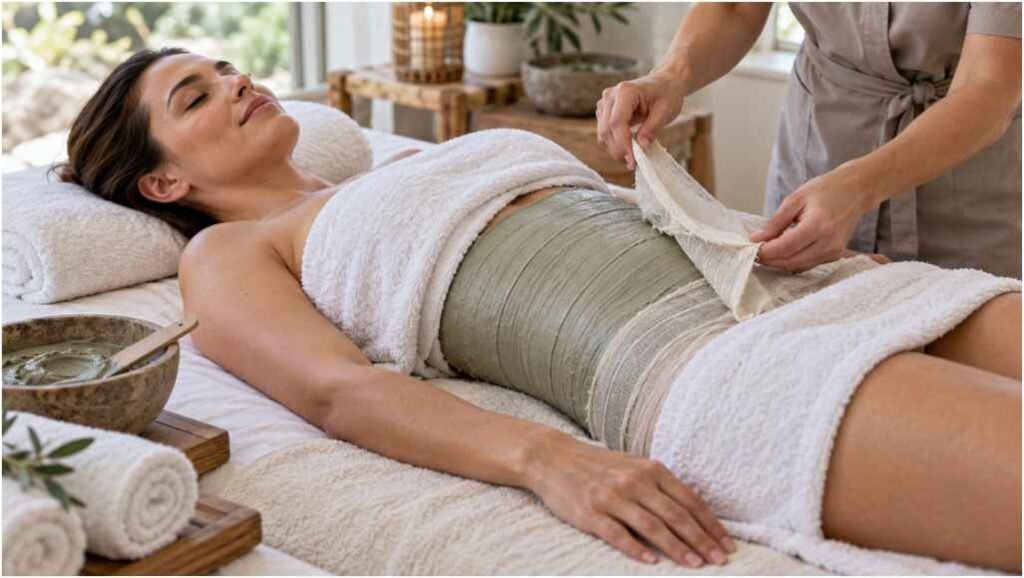
I tightened the final layer of thermal neoprene around my abdomen and watched the digital scale drop 1.8 pounds sixty minutes later. My waist tape measured a half-inch smaller, yet my body fat percentage remained identical. Booking a water weight reduction body wrap promises rapid slimming, but the underlying physiological shift tells an entirely different story.
These salon and at-home treatments produce immediate cosmetic changes through forced perspiration and superficial compression. They do not trigger lipid oxidation or permanent metabolic adjustments. Within two days, normal daily hydration restores every single ounce.
FLUID REBOUND TIMELINE
Weight / Measurements
▲
│ Baseline (Pre-Wrap)
│ ●──────────────────────────────● Full Baseline Restored
│ \ /
│ \ / Rehydration Phase
│ \ ▲ (Aldosterone & Osmoregulation)
│ ▼ Immediate Drop /
│ ● (-1.8 lbs / -0.5 in)/
│
└────────────────────────────────────────────────► Time
0 hr 2 hr 12 hr 36-48 hr
The Biological Mechanics: Sweat Induction Versus True Lipolysis
Losing fat requires a sustained caloric deficit that signals adipocytes to liberate triglycerides into circulation. A body wrap bypasses lipid metabolism entirely. Instead, the process forces water out of extracellular matrix compartments through environmental heat and mechanical pressure.
Sweating Traps and Localized Osmosis
Most commercial treatments combine occlusive barriers—such as plastic film, vulcanized rubber, or heavy thermal blankets—with mineral pastes containing bentonite clay or kelp. The wrap creates an airtight microclimate directly over your skin. This trap prevents sweat evaporation, defeating your body’s primary thermoregulatory cooling mechanism.
According to research documented by the National Center for Biotechnology Information, blocking evaporative heat loss forces eccrine glands to pump sweat rapidly in a failed effort to lower dermal temperatures.
Simultaneously, mineral-dense pastes generate a mild osmotic pressure gradient that draws moisture from the outermost epidermal layers. You shed extracellular fluid volume, not adipose tissue.
Mechanical Tissue Compression
Wrapping torso and limb tissues firmly with elasticized bandages compresses soft superficial tissues. This mechanical displacement nudges interstitial fluid into local lymphatic capillary beds.
The visible result is a firmer, temporarily smoothed silhouette. It feels tighter because your skin tissues have been mechanically bound. Pair this with hydrating topical agents like seaweed extracts, and the temporary plumping masks surface imperfections. Once you release the elastic pressure and move throughout the day, interstitial fluid drifts straight back to its original resting spaces.
My 48-Hour Experiment: Tracking the Fluid Rebound Curve
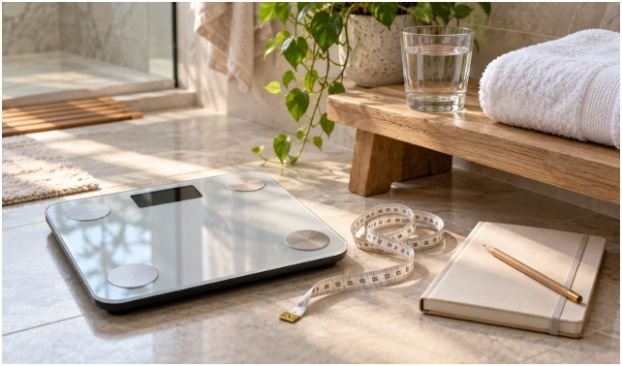
To test how long this aesthetic contouring genuinely lasts, I monitored my own biomarkers across a standard 48-hour cycle using clinical urine specific gravity (USG) refractometer test strips, a steel tape measure, and a calibrated medical scale.
Pre-Treatment Protocol and Measurements
I began my session at 8:00 AM on a Saturday, fully hydrated with a baseline weight of 154.2 pounds and an umbilical waist circumference of 32.0 inches. My baseline USG strip read 1.012, confirming balanced hydration.
===================================================================
BIOMARKER TRACKING DATA ACROSS 48 HOURS
===================================================================
Timepoint Weight (lbs) Waist (in) USG Reading Hydration State
——————————————————————-
Pre-Wrap 154.2 32.0 1.012 Optimal
Immediate Post 152.4 31.5 1.026 Dehydrated
+12 Hours 153.6 31.8 1.020 Recovering
+24 Hours 154.0 32.0 1.015 Near Baseline
+48 Hours 154.3 32.0 1.012 Full Baseline
===================================================================
I applied an herbal clay base and wrapped my midsection in three layers of commercial thermal wrap for 60 minutes under a heated blanket. Sweating was profuse. When I unwrapped, washed off the clay, and towelled dry, the immediate metrics looked remarkable:
- Scale weight dropped to 152.4 pounds (a 1.8-pound decrease).
- Waist circumference measured 31.5 inches (a 0.5-inch reduction).
- USG surged to 1.026, marking acute physiological dehydration.
My abdominal skin felt remarkably soft and appeared slightly firmer. Yet my physiological baseline was already screaming for equilibrium.
The 24-to-48-Hour Rebound Window
Your kidneys carefully regulate blood osmolality. When sensors in the hypothalamus detect concentrated serum sodium, they trigger thirst and prompt the pituitary gland to secrete antidiuretic hormone (vasopressin).
Over the next twelve hours, I drank 64 ounces of filtered water and consumed balanced meals. By hour 24, my scale registered 154.0 pounds and my waist measured 32.0 inches. At the 48-hour mark, my weight leveled at 154.3 pounds, and my urine specific gravity returned to a balanced 1.012. The entire inch loss and scale reduction evaporated in less than two full days.
Critical Clinical Risks You Cannot Ignore
Forcing sudden fluid depletion is not a risk-free beauty shortcut. Encasing significant surface areas of skin in airtight plastic alters basic cardiovascular dynamics.
The Mayo Clinic cautions that intense external heat combined with non-breathable wraps can accelerate heat exhaustion, dizziness, and sudden blood pressure drops. When plasma volume shrinks rapidly from excessive sweating, your heart beats faster to maintain cardiac output.
Skin health presents another direct hazard. Trapping concentrated sweat, sebum, and caustic botanical ingredients against occlusion-heated pores compromises your skin barrier. Folliculitis, contact dermatitis, and heat rash frequently follow aggressive body wrap sessions.
If you manage hypertension, cardiovascular disorders, or diabetes, medical providers strictly advise against heated compression wraps.
Better Ways to Relieve Fluid Retention and Heavy Limbs

If you battle sluggishness, puffy ankles, or systemic fluid retention, you do not need saran wrap and saunas. You need support for your circulatory and lymphatic systems.
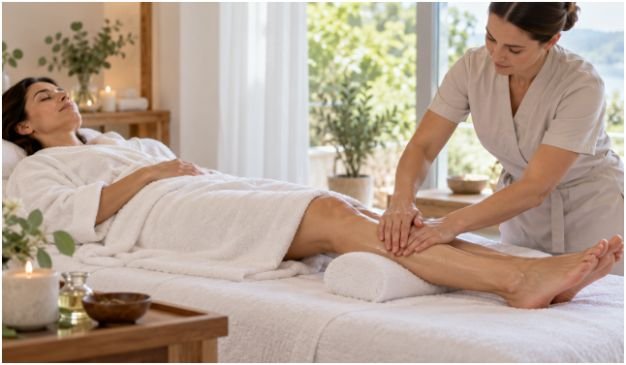
Instead of baking under thermal sheets, consider a manual lymphatic drainage massage. This gentle, skin-stretching manual therapy encourages stagnant lymph fluid to move toward functional regional nodes without depleting total-body hydration.
For lower-extremity fatigue, specialized spa treatments for tired feet that combine contrast hydrotherapy and elevation restore venous return far more sustainably.
Dietary habits dictate systemic water storage far more than topical tools. The American Council on Exercise underscores that balanced hydration, potassium-dense whole foods, and regular walking optimize natural vascular filtration.
Potassium naturally counters cellular sodium retention, encouraging renal clearance without triggering dehydration distress.
Frequently Asked Questions
1. Can a body wrap permanently burn belly fat?
No, body wraps expel intracellular water through sweat without stimulating lipid breakdown or caloric deficits.
2. How quickly does water weight return after a wrap?
Lost water weight returns within 24 to 48 hours as soon as you eat and drink normally.
3. Are at-home plastic wrap treatments safe to use overnight?
Sleeping in non-breathable plastic wraps is dangerous because it traps body heat and risks severe dehydration.
4. Do clay ingredients draw toxins through the skin?
Skin pores do not filter metabolic toxins; your liver and kidneys handle all bodily detoxification.
The Scale Lies, But Your Physiology Doesn’t
A thermal wrap creates an enticing 24-hour optical illusion, not a body transformation. If you have an event tonight and want your dress to zip a fraction easier, a wrap will temporarily compress your waistline.
Treat it as temporary cosmetic prep, never a fat loss protocol. Skip the plastic wraps, drink a tall glass of water, load your plate with leafy greens, and let your renal system do the work it was designed to do.