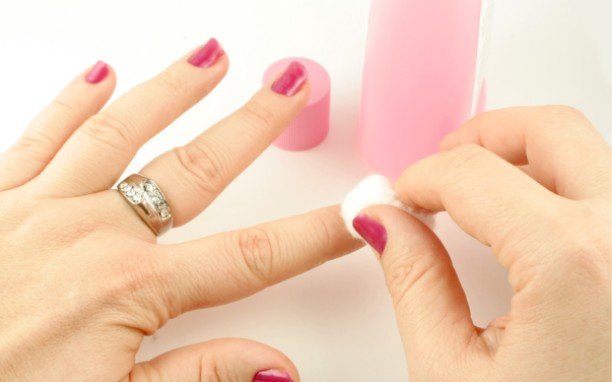
I prefer a simple approach to nail care, especially when a manicure comes off and the nails underneath look rough. It is tempting to buff away every uneven patch or immediately cover everything with another glossy set. However, those quick fixes can add stress to already fragile nails.
Understanding how to care for your nails after removing gel polish starts with checking their condition. Dry nails need moisture and protection; nails thinned by peeling or excessive filing also need time for the damaged sections to grow out.
Why Nails Feel Different After Gel Removal
Acetone can leave nails and surrounding skin feeling dry. You might notice dullness, tight cuticles, or rough edges after removal. Moisturizing can improve that dry feeling and help maintain flexibility.
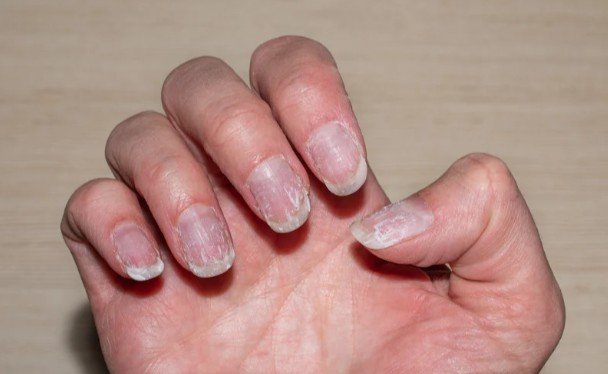
Physical damage is different. Peeling off gel, scraping stubborn patches, or filing too deeply can remove layers of the natural nail plate. This may leave nails unusually bendy, tender, or prone to splitting.
White patches are not automatically a sign of dehydration. Surface damage can also create white areas, so resist treating every mark with more buffing. Existing nail layers cannot rebuild themselves like living skin; damaged portions gradually grow toward the tip.
Five Gentle Steps for Post-Gel Aftercare
1. Wash Gently and Check Your Nails
If removal is complete, wash your hands with lukewarm water and mild soap to remove acetone residue. Dry carefully around the nail folds without scrubbing.
Look for peeling tips, rough patches, tenderness, and unusual discoloration. If product remains attached, avoid picking or digging underneath it. Ask your nail technician how to remove it safely, especially if you do not know which gel system was used.
2. Moisturize Nails and Surrounding Skin
Apply a fragrance-free cream or a small amount of petroleum jelly to your nails, cuticles, and surrounding skin. Repeat several times daily, particularly after handwashing.
Cuticle oil is another conditioning option, but an expensive formula is unnecessary. Choose something your skin tolerates, and stop using products that cause itching or redness.
Moisturizing improves dryness and comfort. It does not replace nail layers lost during aggressive removal.
3. Keep Fragile Nails Short
Shorter nails are less likely to snag or bend under everyday pressure. If you are wearing polish, first remove nail polish without drying out your nails by limiting contact with remover and moisturizing afterward. Trim excess length without cutting into attached skin, then gently smooth catching edges with a fine file.
Focus on the free edge rather than the nail surface. If the nail already feels thin, buffing it smooth removes more material. Avoid tearing off peeling layers. Carefully shorten a loose, catching tip when possible without pulling the split farther down.
4. Protect Them During Daily Tasks
Wear suitable gloves when washing dishes or using cleaning products. Repeated wetting, drying, and detergent exposure can make fragile nails harder to manage.
Keep the inside of your gloves dry, and remove them if your hands become sweaty. Use tools instead of fingernails to lift labels, open packaging, or scrape surfaces.
Leave cuticles intact. Cutting or forcefully pushing them back can irritate the protective seal around the nail.
5. Pause Before Another Manicure
Give your nails a polish break for one to two weeks, or longer if they remain tender, thin, or peeling. A short break reduces further exposure to preparation and removal; it does not guarantee complete recovery.
Avoid applying another gel set simply to hide damage. Builder gel, acrylics, and press-on extensions also involve products and procedures that can create additional problems.
Before returning to manicures, check that your nails feel comfortable and discuss gentle preparation and removal with your technician.
Do You Need a Nail Strengthener?
A product labeled “strengthening” is not automatically the best choice. Some hardeners increase stiffness, which can make nails more likely to break instead of flex.
Treatments may offer cosmetic protection, but they cannot restore missing nail layers overnight. Follow label directions and discontinue anything that causes irritation.
For anyone learning how to care for your nails after removing gel polish, moisturizing and preventing further trauma are more dependable starting points than buying several treatments.
How Long Does Recovery Take?
Dryness may improve relatively quickly with consistent care. Thinning and splitting take longer because the affected nail must grow out. Complete fingernail replacement commonly takes around six months, although growth varies.
Watch for smoother new growth near the base rather than expecting instant changes at the tips. Persistent pain, swelling, nail lifting, or unusual color changes deserve professional assessment.
Frequently Asked Questions
1. What is the simplest approach to how to care for your nails after removing gel polish?
Wash gently, moisturize regularly, keep fragile nails short, protect them during chores, and pause further manicures while problems settle.
2. Should I buff white patches away?
Avoid buffing thin or tender nails. White patches can reflect surface damage, and abrasion may worsen thinning.
3. Can I wear regular polish during recovery?
Consider leaving nails bare initially. Avoid covering painful or visibly abnormal nails, and seek advice if symptoms persist.
Final Takeaways
I would approach post-gel nail care with patience rather than rush into another manicure. Keeping nails short, moisturizing after handwashing, and wearing gloves during cleaning creates a manageable routine that helps prevent further stress. Expensive treatments are not essential, and buffing every rough patch can leave fragile nails even thinner.
For me, the most useful distinction is between dryness and physical damage. Moisturizing can improve comfort and flexibility, but layers lost through peeling or excessive filing need time to grow out. I would look for smoother new growth and fewer catching edges rather than expect an overnight transformation.