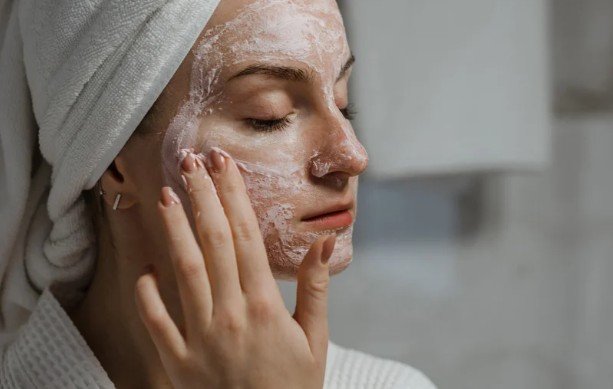
I find skincare appointments less intimidating when I understand the steps behind the treatment. Facial extractions sound straightforward, but the difference between careful pore clearing and aggressive squeezing matters.
If you’re wondering what happens during facial extractions, a professional assesses your skin, prepares suitable clogged pores, removes accessible blockages with controlled pressure, and applies calming care afterward. Not every bump should be extracted, and clearing every pore in one appointment should never be the goal.
What Facial Extractions Actually Remove
Extractions remove plugs of oil and dead skin cells from suitable clogged pores. Blackheads, also called open comedones, have exposed openings. Their dark appearance comes from oxidation, rather than dirt.
Whiteheads are closed comedones covered by a thin layer of skin. They require different handling and may need medical attention depending on the technique required.
Deep cysts, painful nodules, and irritated bumps need a different approach. Normal sebaceous filaments, especially around the nose, also shouldn’t be mistaken for blackheads that must disappear.
Before Treatment: Consultation and Skin Assessment
Your provider should ask about sensitivity, current skincare products, acne medications, allergies, and recent treatments. Mention retinoids, exfoliating acids, prescription creams, sunburn, and any history of marks after skin irritation.
Don’t stop prescribed medication independently. Ask whether your treatment needs adjusting.
Under good lighting, the provider examines which blockages are accessible and which areas should remain untouched. You can request fewer extractions or skip them completely. Ask about qualifications, hygiene practices, and experience treating skin like yours.
The Extraction Process, Step by Step
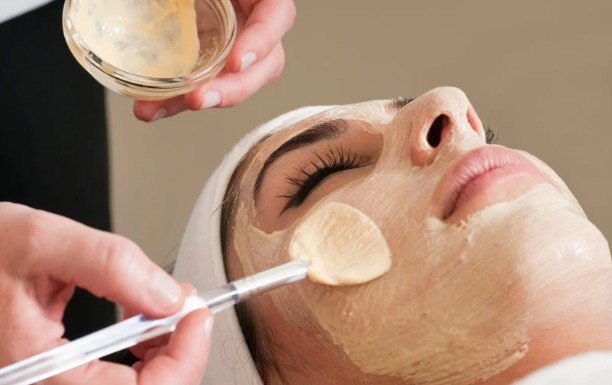
Understanding what happens during facial extractions means looking at the preparation as carefully as the removal itself. The sequence varies with your skin and the type of facial.
Cleansing and Gentle Preparation
The provider removes makeup, sunscreen, surface oil, and debris. Gentle exfoliation may follow if appropriate, but irritated skin shouldn’t receive aggressive scrubbing just to make extractions easier.
Warm towels, mild steam, or a softening product may help loosen compacted material. Steam isn’t essential for everyone, particularly when heat triggers flushing or discomfort. Pores don’t open and close like doors; preparation helps soften the material inside them.
Examining Pores Under Magnification
A magnifying lamp allows close inspection of individual blockages. Eye pads may protect your eyes from bright light.
The provider wears gloves and uses appropriate infection-control practices. Reusable instruments should be properly processed between clients, rather than simply wiped clean.
Applying Controlled Pressure
Using gauze-covered fingertips or an appropriate extraction instrument, the provider applies careful pressure around selected pores.
An accessible plug may release quickly. Resistant areas should be left alone instead of squeezed repeatedly. Skin condition determines how much work is appropriate.
Opening the skin with a sharp instrument requires suitable qualifications and must comply with local professional rules. A spa license doesn’t automatically authorize every technique.
Finishing With Calming Care
A soothing mask or suitable moisturizer may follow. Sunscreen helps protect exposed skin afterward. If you notice your skin break out after a facial, avoid picking and ask your provider whether the products used may have contributed.
Some providers offer high-frequency devices or light treatments, but these are optional additions. They aren’t essential steps or guarantees against breakouts.
Do Facial Extractions Hurt?
Expect brief pressure or a pinching sensation. Sensitive areas, including the nose, may feel more uncomfortable.
Tell your provider immediately if the pressure feels excessive, sharp, or prolonged. You don’t need to tolerate escalating pain to achieve a better result.
Bruising, repeated force, and extensive skin damage aren’t signs of thorough treatment. A careful provider adjusts the technique or stops.
What Your Skin May Look Like Afterward

Temporary localized redness and mild tenderness can occur. Their duration depends on your skin, the number of extractions, and other treatments performed.
Some blockages may remain, and cleared pores can become clogged again. Extractions don’t permanently shrink pores or cure acne.
New bumps afterward aren’t automatically beneficial “purging.” Irritation, incomplete removal, or unsuitable products may contribute. Increasing pain, warmth, spreading redness, significant swelling, or discharge warrants medical advice.
Aftercare That Helps Your Skin Settle
Follow instructions tailored to your treatment. Cleanse gently, moisturize with a comfortable fragrance-free product, and avoid picking remaining bumps.
Pause irritating exfoliants or nonprescription actives as advised. Ask your prescriber before changing prescribed treatment.
Avoid applying makeup over broken or irritated skin. Timing depends on the treatment and recovery, rather than one universal waiting period.
Skip activities that aggravate redness, including intense heat, until your skin settles. Don’t schedule your first extraction facial immediately before an important event.
Frequently Asked Questions
1. Can I Ask What Happens During Facial Extractions Before Agreeing?
Yes. Asking what happens during facial extractions helps you understand the tools, likely discomfort, suitable treatment areas, and aftercare. Your provider should explain the procedure and respect your decision to limit or decline it.
2. Why Did My Provider Leave Some Blackheads?
Some plugs resist gentle removal, while surrounding skin may already be sensitive. Leaving them can prevent unnecessary injury.
3. Can Extractions Cause Scars or Dark Spots?
Yes, particularly when pressure damages skin or inflammation develops. Professional treatment reduces avoidable risks but cannot eliminate them completely.
4. How Often Should I Book Extractions?
Frequency should reflect recurring congestion, recovery, and your broader skincare plan. Repeated appointments aren’t necessary for everyone.
My Final Take
I would judge an extraction facial by the care behind it: thoughtful assessment, hygienic technique, manageable pressure, and realistic expectations. Removing more material doesn’t automatically mean better treatment.
For me, the most reassuring provider explains why certain pores can be cleared and why others should wait. A gentle recovery plan and ongoing skincare matter just as much as the appointment itself.