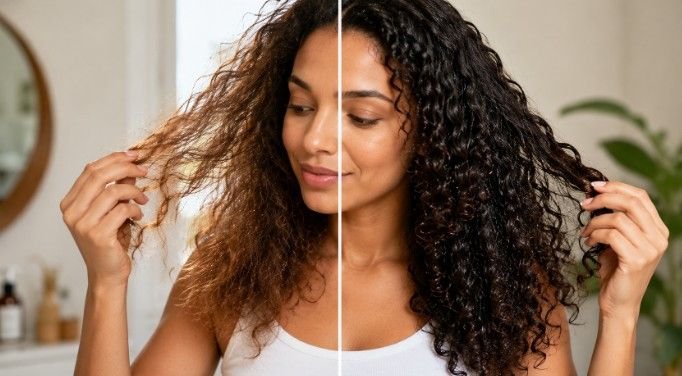
Bad hair days happen to everyone, but constantly finding broken strands on your brush can feel frustrating. A few years ago, dealing with dry ends, frizz, and uneven lengths made styling almost impossible.
Learning the right hair breakage treatment completely changed the way healthy hair was maintained. The good news is that repairing damaged hair does not require complicated routines. With the right combination of moisture, protein, and protective habits, stronger hair is achievable.
Key Takeaways
- Hair breakage is different from normal hair shedding.
- Protein and moisture work together to strengthen hair.
- Bond-building treatments help repair internal hair damage.
- Simple daily habits can prevent future breakage.
- Consistent care delivers long-term healthy hair growth.
Your Hair Breakage Deserves Special Attention
Ignoring damaged strands today can lead to bigger hair problems tomorrow. Hair breakage often starts quietly. A few split ends, increased tangling, or rough texture may not seem serious at first. Over time, those small signs can make hair appear thinner, shorter, and less healthy.
Think of your hair like your favorite sweater. A tiny loose thread may not seem important, but if left alone, the damage spreads. Understanding hair breakage treatment early helps preserve length, improve texture, and keep hair looking fuller and healthier.
Understanding Hair Breakage
Knowing what is happening inside your strands makes treatment more effective. Hair breakage occurs when the hair shaft becomes weak and snaps before completing its natural growth cycle. Unlike shedding, which happens from the root, breakage happens somewhere along the strand itself.
Damaged cuticles, excessive styling, chemical treatments, and dehydration are some of the most common causes. These factors reduce elasticity and make hair more vulnerable to snapping during everyday activities.
Signs Your Hair Is Breaking
Hair often sends warning signals before severe damage develops. Short uneven pieces around the crown, split ends, excessive frizz, rough texture, and difficulty retaining length are common indicators. Hair may also feel dry and fragile even after conditioning.
Hair Breakage Vs Hair Shedding
Understanding the difference prevents unnecessary worry. Shed hairs usually contain a small white bulb at one end because they fall naturally from the scalp. Broken hairs appear shorter and lack the bulb because they snap along the shaft.
What Weakens Hair Over Time
Several daily habits can slowly damage even healthy hair.
Heat Styling Stress
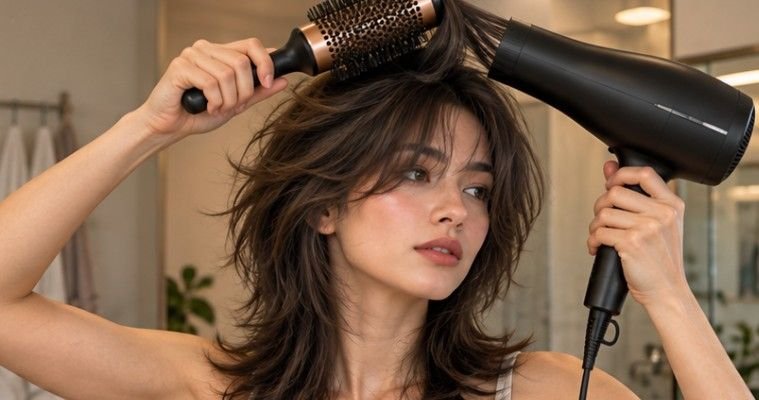
Frequent use of flat irons, curling tools, and blow dryers removes moisture from the hair shaft. Repeated exposure to high temperatures weakens the protective cuticle layer, making strands brittle and prone to breakage.
Chemical Processing Damage
Hair coloring, bleaching, relaxing, and perming alter the structure of the hair. While these services can create beautiful results, repeated treatments may weaken internal protein bonds and reduce overall hair strength.
Everyday Mechanical Damage
Simple actions can contribute to hair damage. Rough brushing, tight hairstyles, aggressive towel drying, side effects of aloe vera on hair and using poor-quality hair accessories create friction that gradually weakens strands.
The Science Behind Stronger Hair
Healthy hair depends on more than surface-level care.

Why Protein Matters
Protein forms much of the hair’s internal structure. When protein bonds become damaged through heat or chemicals, hair loses strength. Protein treatments help reinforce weakened areas and improve resilience.
Why Moisture Matters
Moisture keeps hair flexible and elastic. Without enough hydration, hair becomes stiff and brittle. Well-moisturized strands bend more easily and are less likely to snap under tension.
Finding The Right Balance
Both protein and moisture are essential. Too much protein can leave hair hard and rigid, while too much moisture can make it overly soft and weak. Healthy hair thrives when both elements remain balanced.
In-Shower Hair Breakage Treatment
The shower routine is where real repair begins.
Rebuild Broken Bonds
Bond-building treatments target damage deep inside the hair shaft. Products containing advanced bond-repair technology help reconnect weakened structural bonds caused by bleaching, coloring, and heat styling. This strengthens the hair from within and reduces future breakage.
Restore Protein Strength
Severely damaged hair often benefits from protein reconstruction. Protein treatments help fill weakened areas along the cuticle and cortex. Hair may feel stronger, smoother, and more resistant to breakage after regular use.
Lock In Deep Moisture
Hydration should always follow strengthening treatments. Deep conditioning masks restore softness and flexibility after protein or bond-building treatments. This step helps prevent hair from becoming stiff or overly rigid.
Smart Post-Wash Habits
What happens after washing matters just as much as cleansing.
Seal And Protect
Freshly washed hair benefits from extra protection. Leave-in conditioners help maintain hydration throughout the day, while lightweight serums smooth the cuticle and reduce friction that contributes to breakage.
Try Pre-Wash Protection
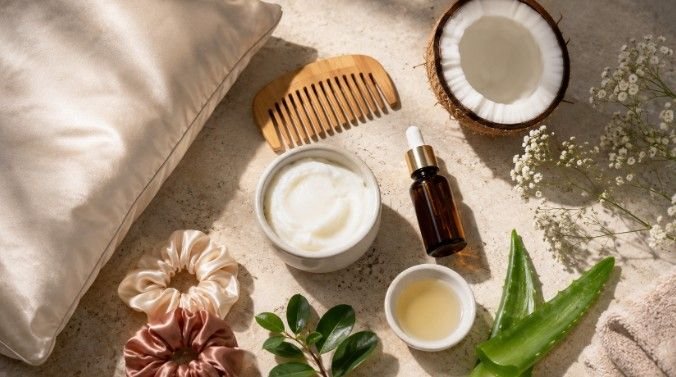
Healthy hair care begins before shampooing. Applying a small amount of coconut oil to dry hair before washing can help minimize water-related swelling and reduce cuticle damage during cleansing.
Sleep Without Damage
Nighttime friction is often overlooked. Switching to a silk pillowcase or wearing a satin bonnet helps reduce rubbing and tangling while sleeping. This simple habit can significantly reduce breakage over time.
Long-Term Habits For Healthier Hair
Consistency creates lasting improvements.
Schedule Regular Trims
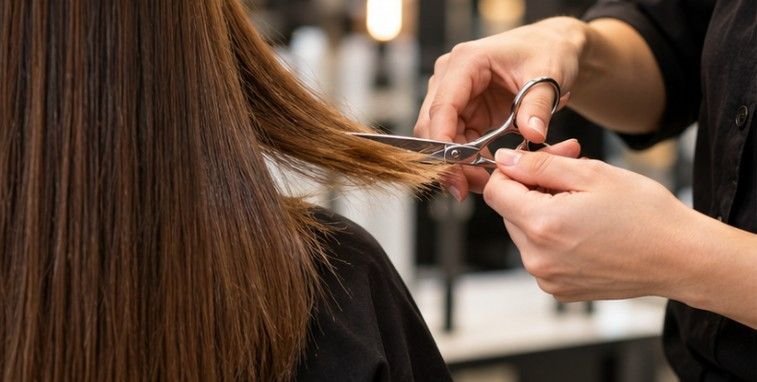
Split ends rarely stay in one place. Without trimming, damaged ends continue splitting upward, leading to more breakage. Regular trims help maintain healthier-looking hair.
Be Gentle With Wet Hair
Wet hair is especially vulnerable. Using a wide-tooth comb and detangling from the ends upward reduces unnecessary stress. Gentle handling can prevent significant breakage during wash days.
Upgrade Hair Accessories
Small changes can make a big difference. Hair ties with metal parts often snag strands. Soft fabric scrunchies and claw clips are gentler alternatives that help reduce mechanical damage.
Simple Hair Breakage Treatment Routine
Following a structured routine makes repair easier.
Start by washing with a gentle shampoo and follow with a bond-building or protein treatment if needed. Apply a deep conditioner to restore moisture and softness. After rinsing, use a leave-in conditioner and protective serum.
Throughout the week, limit heat styling, avoid tight hairstyles, and protect hair while sleeping. Consistency is far more effective than using multiple products sporadically.
Regular maintenance, balanced nutrition, and healthy styling habits work together to support stronger, healthier hair over time.
Foods That Support Hair Strength
Strong hair begins from within.
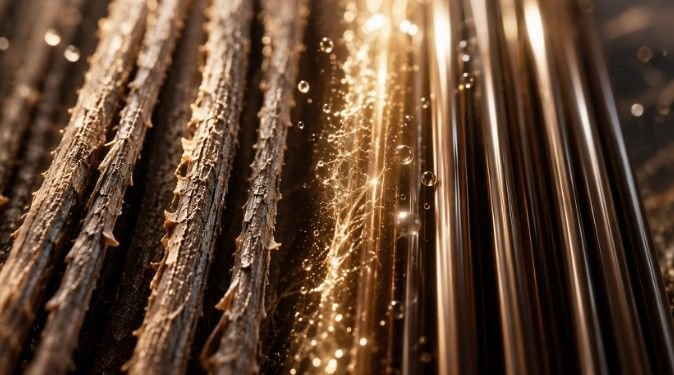
Protein-rich foods such as eggs, fish, beans, and lean meats provide essential building blocks for healthy hair growth. These nutrients help maintain the structure and strength of growing strands.
Foods rich in iron, zinc, biotin, omega-3 fatty acids, and vitamins A, C, and D may also support healthier hair. Leafy greens, berries, nuts, seeds, and sweet potatoes are excellent additions to a hair-friendly diet.
Frequently Asked Questions
1. How do you fix hair breakage?
An effective hair breakage treatment combines bond repair, protein strengthening, deep conditioning, regular trims, and gentle styling habits. Consistency is important because damaged hair requires ongoing care to regain strength.
2. What is the best treatment for hair breakage?
The best hair breakage treatment includes rebuilding damaged protein bonds, restoring moisture levels, protecting hair from heat, and maintaining a routine that prevents future damage and excessive dryness.
3. How do you treat menopausal hair loss?
Menopausal hair loss often improves through balanced nutrition, scalp care, stress management, and professional medical guidance. Addressing hormonal changes while supporting overall hair health can be beneficial.
4. What foods are good for hair loss?
Foods rich in protein, iron, zinc, omega-3 fatty acids, and vitamins support healthy hair growth. Eggs, salmon, spinach, berries, nuts, seeds, and legumes are excellent choices.
Give Your Hair A Fresh Start
Healthy hair is not built overnight, but every small step matters. The right hair breakage treatment combines bond repair, protein support, deep moisture, and protective daily habits. By understanding what causes damage and following a consistent routine, you can reduce breakage, improve texture, and retain more length.
Stronger, smoother, and healthier hair becomes much easier to achieve when care and prevention work together.