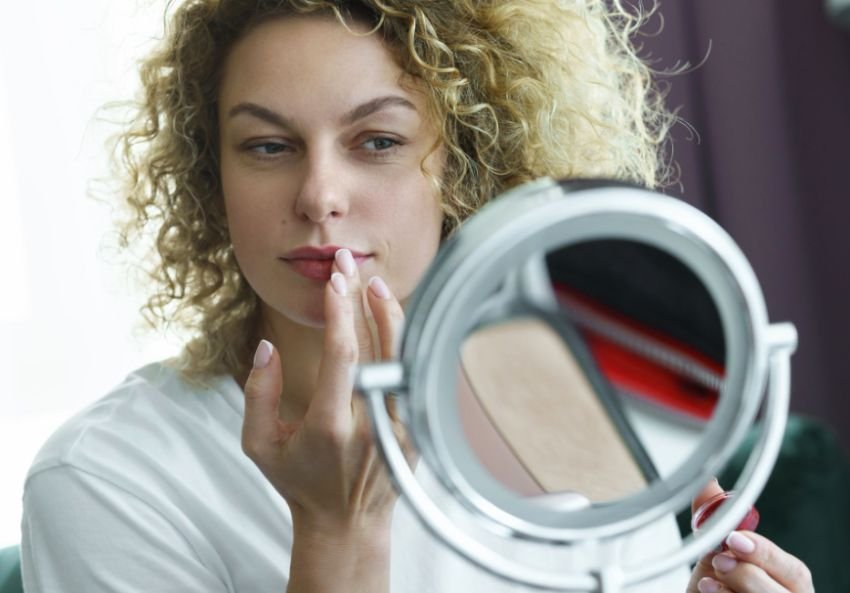
If your face stings easily, the lactic acid vs glycolic acid for sensitive skin debate matters more than most skincare comparisons. One acid can give you a soft glow. The other can leave your cheeks red, tight, and annoyed by morning.
I have learned this the hard way with exfoliating acids. Sensitive skin does not care how trendy an ingredient is. It only cares how fast that ingredient penetrates, how often you use it, and whether your skin barrier feels supported afterward.
For most sensitive skin types, lactic acid is the safer first choice. Glycolic acid can work well for rough texture and dullness, but it asks more from your skin barrier.
Why Sensitive Skin Reacts Differently to AHAs

Alpha hydroxy acids, or AHAs, help loosen dead skin cells on the surface. That can make skin look smoother, brighter, and more even. The problem is that sensitive skin often has a lower tolerance for disruption.
When the barrier is fragile, even a “normal” exfoliating product can feel sharp. You may notice warmth, stinging, flaking, redness, or tiny irritation bumps. That does not always mean the ingredient is bad. It usually means the strength, frequency, or formula is wrong for your skin.
The key difference between lactic acid and glycolic acid comes down to penetration speed.
The Molecular Size Difference
Glycolic acid has the smallest molecular size among common AHAs. Because of that, it moves into the skin more quickly. This makes it powerful for resurfacing, but it also raises the chance of irritation.
lactic acid has a larger molecule. It works more slowly and stays closer to the surface. That slower action makes it more forgiving for reactive skin.
This is why the lactic acid vs glycolic acid for sensitive skin answer usually favors lactic acid. It exfoliates without rushing your skin into panic mode.
The Skin Barrier Comfort Test
Here is the simple test I use when judging exfoliating acids: how does my skin feel the next morning?
A good sensitive-skin acid should leave skin smoother, not shiny and tight. It should not make cleanser burn the next day. It should not create redness around the nose, mouth, or cheeks. It should not make moisturizer sting.
If your skin feels calm the next morning, the acid may fit. If your skin feels raw, the product is too strong, too frequent, or poorly matched.
lactic Acid vs Glycolic Acid: Which One Feels Gentler?

lactic acid usually feels gentler because it exfoliates and supports hydration. Glycolic acid usually feels stronger because it penetrates faster and resurfaces more aggressively.
That does not make glycolic acid “bad.” It simply means sensitive skin needs more caution with it.
Why lactic Acid Usually Wins
lactic acid is my first pick for sensitive skin because it gives a smoother look without the same harsh feeling. It can help with dullness, mild texture, uneven tone, and dry-looking flakes.
Its biggest advantage is hydration support. lactic acid acts as a humectant, which means it helps attract water. That matters because sensitive skin often reacts badly when exfoliation leaves it dry.
A 5% lactic acid product used twice weekly at night is a sensible starting point. Apply it to clean, fully dry skin. Damp skin can increase absorption and make stinging more likely.
After lactic acid, use a plain moisturizer. Look for barrier-friendly ingredients like glycerin, ceramides, panthenol, or hyaluronic acid. Keep the rest of the routine boring. Boring is beautiful when your skin is reactive.
Why Glycolic Acid Can Feel Too Strong
Glycolic acid is better suited for skin that already tolerates active ingredients. It can improve rough texture, uneven tone, post-breakout marks, and dullness. But for sensitive skin, the fast penetration can feel like too much.
Common warning signs include burning, redness, peeling, tightness, and increased sensitivity to products that usually feel fine. If your skin already feels irritated, glycolic acid can make the barrier worse.
I would not start sensitive skin with a daily glycolic toner. I would also avoid high-strength glycolic peels at home. Strong acids belong in professional hands, especially when your skin reacts easily.
Best Routine for Gentle AHA Exfoliation
A good routine does not chase maximum exfoliation. It builds tolerance slowly. That is the part many people skip.
The best answer to lactic acid vs glycolic acid for sensitive skin is not just “choose lactic acid.” The better answer is “choose the gentler acid and use it less often than you think.”
How I Would Start With lactic Acid
Start with lactic acid at 5%. Use it at night twice a week. Leave at least two rest days between applications.
On acid nights, cleanse gently, wait until your face is completely dry, apply the lactic acid, then moisturize. Do not add retinol, benzoyl peroxide, vitamin C, scrubs, or another acid in the same routine.
On rest nights, focus on repair. Use cleanser, moisturizer, and nothing dramatic. If your skin feels dry, add a thicker moisturizer before bed.
After three to four weeks, judge results. If your skin looks smoother and feels calm, stay there. You do not need to increase strength just because the bottle exists.
When Glycolic Acid Might Still Work
Glycolic acid may suit you if your skin is oily, thicker, dull, or used to active ingredients. It may also help if your main concern is rough texture rather than sensitivity.
Even then, start slowly. Try glycolic acid once weekly at night. Choose a lower-strength formula. Avoid applying it near the eyes, corners of the nose, and mouth.
If your skin stays calm for a month, you can consider using it more often. If redness or flaking appears, stop and return to barrier repair.
For readers dealing with breakouts, clogged pores, and exfoliation confusion, this is also where an option on chemical exfoliation for acne prone skin can help. Acne-prone skin may need a different acid strategy, especially when oil and clogged pores are the main issue.
What to Avoid When Using Exfoliating Acids
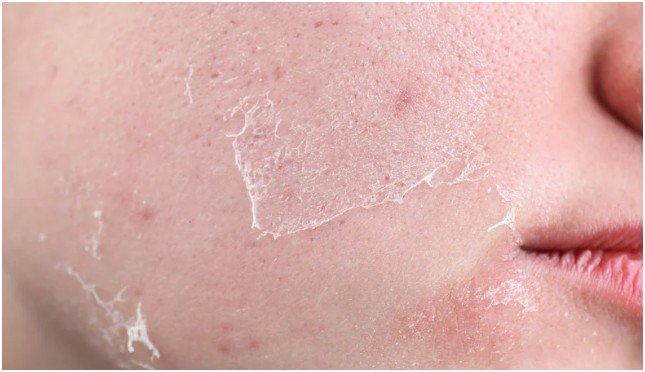
Sensitive skin rarely fails because of one product. It usually fails because too many strong steps happen at once.
An acid toner, retinol serum, clay mask, scrub, and acne treatment in the same week can overwhelm the barrier. More exfoliation does not mean more glow. Sometimes it just means more irritation.
Do Not Mix Too Many Actives
Avoid using lactic acid or glycolic acid with retinoids in the same routine. Avoid pairing them with strong vitamin C, benzoyl peroxide, or other exfoliating acids unless a dermatologist tells you to.
Also avoid applying acids after shaving, waxing, threading, or using a physical scrub. Freshly disturbed skin absorbs products differently and may sting more.
If your skin burns, rinse the product off. Do not “push through” pain. Skincare should not feel like a dare.
SPF Is Not Optional
AHAs can increase sun sensitivity. That means sunscreen is part of the routine, not an extra step.
Use broad-spectrum SPF 30 or higher every morning. Reapply when outdoors. This matters even more if you are treating dullness, dark spots, or post-acne marks. Exfoliation without sun protection can make discoloration worse.
If you know you will be in strong sun, skip acid use the night before. Your skin does not need extra stress before a beach day, hike, or outdoor event.
FAQs
1. Is lactic acid better than glycolic acid for sensitive skin?
Yes, lactic acid is usually better because it penetrates more slowly and feels gentler on the skin barrier.
2. Can I use glycolic acid if I have sensitive skin?
You can, but start once weekly with a low-strength product and stop if you notice burning, redness, or peeling.
3. What percentage of lactic acid should beginners use?
A 5% lactic acid product is a safer starting point for sensitive or reactive skin.
4. Should I use lactic acid vs glycolic acid for sensitive skin every day?
No, sensitive skin should start with one or two nights weekly and increase only if the skin stays calm.
Final Glow Check: Choose Calm Over Chaos
My honest take on lactic acid vs glycolic acid for sensitive skin is simple: lactic acid wins for beginners, dry skin, and reactive complexions. Glycolic acid can be useful, but it behaves like the overachiever of AHAs. Impressive, yes. Gentle, not always.
Start with 5% lactic acid, use it twice weekly, apply it to dry skin, moisturize well, and wear SPF every day. If your skin glows without complaining, you picked correctly.
The sassiest skincare rule is also the smartest one: if your face feels attacked, it is not “purging.” It is asking you to calm down.