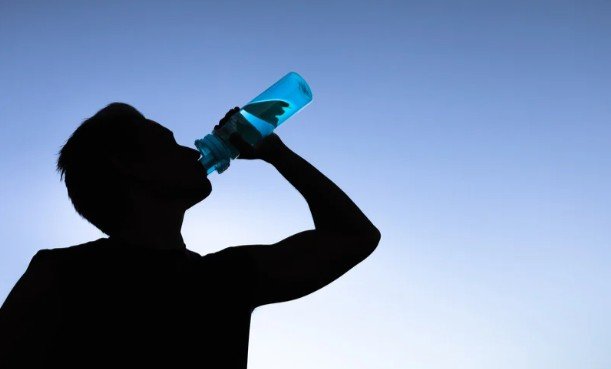
I like health habits that fit into real life, especially when calendars fill up and lunch happens between meetings. That is why my approach to how to stay hydrated when you forget to drink water starts with making drinking easier to remember. A visible bottle, a familiar daily cue, and a refill routine create opportunities to sip without constantly watching the clock.
Whether your day involves a long commute, school pickup, or hours behind a laptop, hydration should feel manageable. Start with one small change, then build a routine around what already happens in your day.
Make Water Visible Before You Get Busy
A bottle buried in your tote cannot provide much of a reminder. Put water somewhere you naturally look, such as beside your keyboard, near your breakfast plate, or next to your reading chair.
Choose a bottle that feels comfortable to carry, opens easily, and fits your cup holder. An insulated option may help if you prefer cold water. There is no need to buy an expensive smart bottle before trying a basic setup.
Give Your Bottle a Refill Cue
An empty bottle can sit unnoticed for hours. Check it after breakfast and lunch, and refill it as needed before returning to your desk. Before leaving home, check your keys, phone, and water together.
Wash your bottle regularly according to its care instructions.
Connect Drinking to Habits You Already Have
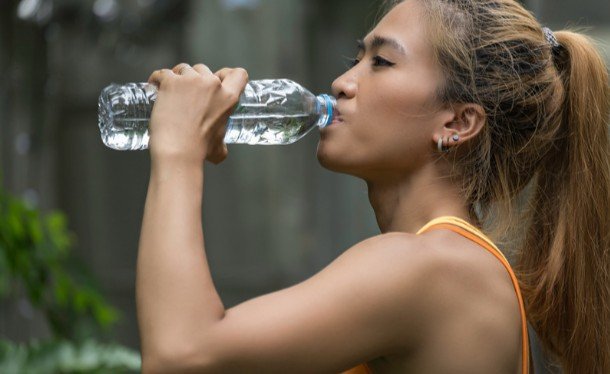
Existing routines provide useful reminders. Have a drink with meals, take a few sips when you settle at your desk, or pause for water between tasks.
Learning how to stay hydrated when you forget to drink water becomes more practical when drinking has a clear place in your routine. “I will have water with lunch” gives you a specific action.
For rotating shifts or unpredictable schedules, use events instead of fixed times. Your first meal, scheduled break, and arrival home can provide anchors even when your work hours change. Respond to thirst between those moments, too.
Set Reminders That Lead to Action
Phone alarms, calendar notifications, and smartwatch alerts can help, but frequent interruptions are easy to dismiss. Start with a few reminders placed around times when you can actually access water.
Label an alert “Take a sip and check your bottle.” When it appears, complete that action before clearing it.
Track Patterns Without Chasing Perfection
For a few days, note when you drink and when long gaps happen. Perhaps mornings go well, but afternoon meetings interrupt your routine.
Use that information to adjust one weak spot. A hydration app or marked bottle can help you track intake, but neither is essential. Your goal is a workable habit, not a perfect streak.
Make Drinking More Enjoyable
If plain water feels unappealing, experiment with temperature and flavor. Try chilled water, room-temperature water, or unsweetened sparkling water. Lemon, cucumber, berries, or mint can add variety without much preparation.
Tea, coffee, and milk also contribute fluid. Moderate coffee intake does not automatically cancel out its hydration contribution, although caffeine may interfere with sleep or cause other symptoms for some people.
Limit reliance on sugary beverages, and remember that alcohol can increase fluid loss. If you drink alcohol, having water alongside it can support your fluid intake, although it does not prevent intoxication.
Include Water-Rich Foods

Food contributes to hydration, making regular meals another useful part of your routine. Watermelon, strawberries, oranges, cucumbers, and tomatoes provide water along with nutrients.
Yogurt, oatmeal prepared with milk, and soups can contribute, too. Pack fruit with lunch or add vegetables to dinner rather than treating hydration as something that comes only from a bottle.
A familiar event can act as a reminder, especially when your calendar changes daily. This approach, often called habit stacking, connects a new action to something you already do. For example, if you’re looking for simple ways to reduce eye strain after screen time, make looking away from your screen part of each coffee or water break.
Understand Your Fluid Needs
Common adult reference figures are approximately 91 ounces of total water daily for women and 125 ounces for men. These amounts include water from food and all beverages; they are not universal plain-water prescriptions.
Needs vary with activity, age, pregnancy, breastfeeding, health, and weather. A humid afternoon in Florida or outdoor work in Arizona can require adjustments beyond an ordinary indoor day.
Thirst and pale-yellow urine can offer useful clues, although medications, supplements, and certain conditions can change urine color. Follow personalized advice if you have a prescribed fluid restriction.
Know What to Do After Forgetting
If you realize late in the day that you have barely had anything to drink, start drinking gradually rather than forcing several bottles down at once.
Have water with dinner and continue sipping comfortably. Avoid drinking excessive amounts to meet an app target, particularly near bedtime if it disrupts your sleep.
Dry mouth, darker urine, headache, and dizziness can accompany dehydration, but they can have other causes. Seek urgent medical care for confusion, fainting, inability to urinate, or rapid breathing or heartbeat. Significant vomiting, diarrhea, or prolonged heavy sweating may require specific fluid and electrolyte guidance.
Frequently Asked Questions
1. What is the simplest approach to how to stay hydrated when you forget to drink water?
Keep a filled bottle visible and connect drinking to meals or work breaks. Add reminders if those cues are insufficient.
2. Do I need electrolyte drinks every day?
Usually, ordinary meals and water are sufficient for routine daily hydration. Prolonged heavy sweating or illness may change your needs.
3. Should I drink a full glass every time an alarm rings?
No. Use reminders as opportunities to drink and check your needs, rather than instructions to force a fixed amount.
Make Your Next Sip Easier
I would start with one visible bottle and one dependable cue, such as lunch. Once that feels natural, I would add a refill check or another reminder where needed. Small, repeatable actions make hydration easier to maintain through busy days.