
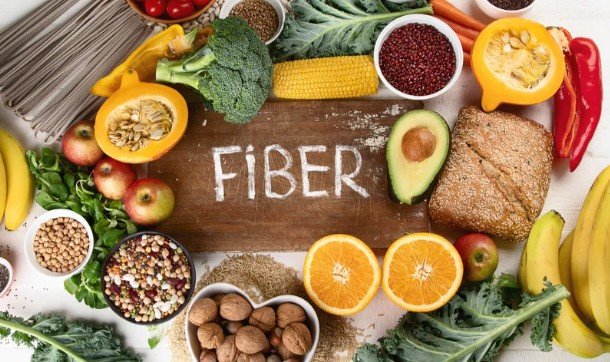
I find healthy eating easier when I improve meals I already enjoy instead of starting over. A bowl of oatmeal, a lunchtime sandwich, or taco night can all provide opportunities to eat more fiber. If you’re looking for easy ways to include more fiber in everyday meals, small additions and familiar ingredients are a practical starting point.
You don’t need expensive powders or elaborate recipes. Beans, oats, frozen vegetables, fruit, and whole-grain staples can help. The goal is to build variety gradually while keeping food convenient, satisfying, and enjoyable.
How Much Fiber Should You Aim For?
A useful general guideline is about 14 grams of fiber for every 1,000 calories you eat. On a 2,000-calorie eating pattern, that means roughly 28 grams daily. Individual needs vary with age, sex, and calorie requirements.
Fiber supports bowel regularity, and certain types help manage cholesterol and blood sugar. Fiber-rich foods also supply other nutrients.
You don’t have to calculate every bite. Start by identifying meals that contain few plant foods, then add one manageable source of fiber.
Start With Breakfast You Already Like
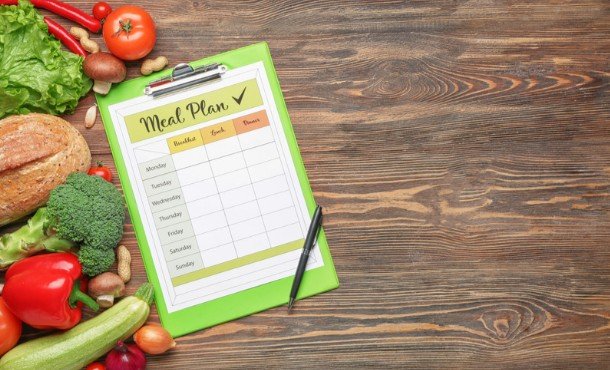
Upgrade Oatmeal, Cereal, or Yogurt
Plain oatmeal makes a convenient foundation. Stir in berries, chopped apple, or ground flaxseed for more fiber and texture. Frozen berries work well when fresh options are expensive or unavailable.
Yogurt naturally contains little or no fiber, but fruit, nuts, and seeds can change the meal. Add toppings gradually rather than introducing several large portions at once.
For packaged cereal, compare dietary fiber per serving on the Nutrition Facts panel. Pay attention to the portion you actually pour.
Keep Eggs and Add a Plant Food
You don’t need to replace eggs to improve breakfast. Serve them with whole-wheat toast, leftover vegetables, or a small portion of black beans.
A breakfast burrito with eggs, beans, peppers, and a whole-grain tortilla offers another familiar option. Check tortilla labels because fiber amounts differ considerably between products.
Give Lunch a Simple Fiber Boost
Build a Better Sandwich
Choose whole-grain bread and compare fiber amounts between brands. Bread color alone doesn’t establish whole-grain content; check the ingredients for whole wheat or another whole grain.
Add shredded carrots, spinach, tomato, or avocado. Spread hummus inside a wrap, or serve vegetables and hummus alongside your sandwich.
Keep your usual protein filling if you enjoy it. The added plant foods supply fiber that meat, fish, eggs, and cheese generally don’t provide.
Make Soups and Salads More Substantial
Stir canned beans into vegetable soup or add chickpeas to a salad. About half a cup of cooked black beans provides roughly 7–8 grams of fiber, although values vary.
Drain and rinse canned beans, and choose no-salt-added varieties when available. Microwaveable brown rice or quinoa can help turn leftovers into a quick lunch bowl.
These are easy ways to include more fiber in everyday meals without preparing a separate menu.
Adapt Dinner Instead of Replacing It
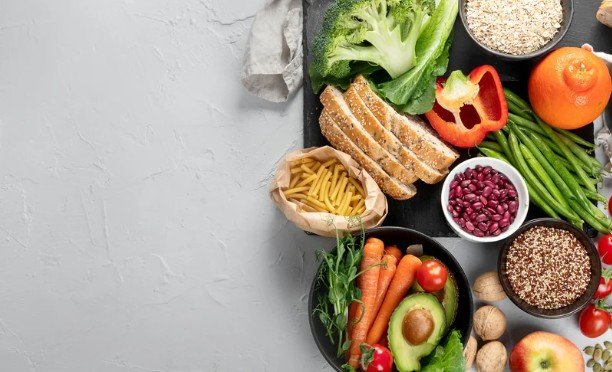
Upgrade Pasta, Rice, and Taco Night
Try whole-wheat pasta with your favorite sauce. If the texture feels unfamiliar, begin with a mixture of regular and whole-wheat pasta.
Add lentils to meat sauce, peas to rice, or black beans to taco filling. You can also blend cooked white beans into some soups and sauces for a smoother texture.
Brown rice, barley, and quinoa offer variety, but their fiber content differs. Choose options you enjoy enough to keep eating.
Let Vegetables Share the Plate
Frozen broccoli, peas, and mixed vegetables can go straight into many soups, casseroles, and stir-fries. Keep a bag available for evenings when chopping feels unrealistic.
Serve potatoes with their washed, edible skins when appropriate. Pair them with vegetables and a protein source for a balanced dinner.
A small lettuce garnish contributes less fiber than a generous vegetable portion, so consider both the food and the amount.
Make Snacks Contribute Something Useful
Pair an apple or pear with nut butter, enjoy vegetables with hummus, or choose air-popped popcorn. Nuts and seeds are convenient additions, although portions still matter.
Whole fruit generally provides more fiber than juice. A smoothie made with whole fruit retains its fiber unless you strain out the pulp. Its total fiber depends on the ingredients and quantities.
Snack only when it suits your appetite and routine. You can also incorporate these foods into meals rather than adding extra eating occasions.
Use Budget-Friendly Pantry and Freezer Staples

Keep oats, canned lentils, beans, whole-grain pasta, and frozen produce available. These ingredients make quick meals possible without frequent shopping trips, helping you stop skipping meals during busy workdays.
Prepare a batch of grains and refrigerate or freeze portions promptly. Add beans to leftover soup, use roasted vegetables in wraps, or top breakfast oats with frozen fruit.
When baking, try a tested recipe that includes oats or whole-wheat flour. Replacing all the flour without adjusting the recipe can change texture and moisture.
Increase Fiber Without Rushing Your Digestion
Adding too much fiber suddenly can cause gas, bloating, or cramping. Introduce one change, allow time to adjust, and build from there.
Drink fluids regularly because adequate hydration helps fiber support comfortable bowel movements. Follow any fluid restrictions your clinician has prescribed.
Spread fiber-rich foods across meals rather than concentrating everything at dinner. If you have persistent digestive symptoms, recent intestinal surgery, or instructions to follow a low-fiber diet, get individualized guidance before increasing your intake.
Frequently Asked Questions
1. What are easy ways to include more fiber in everyday meals when I’m busy?
Use ready-to-eat additions such as canned beans, whole-grain bread, frozen berries, and microwaveable vegetables. Start with one addition to a meal you already prepare.
2. Can I get enough fiber without supplements?
Many people can meet their needs through varied plant foods. Supplements may help in certain circumstances, but they don’t supply the full range of nutrients found in whole foods.
3. Does cooking remove all the fiber from vegetables?
No. Cooked vegetables still provide fiber. Removing skins or straining away solids can reduce the amount you eat.
Small Changes I’d Keep Making
I’d begin with whichever meal feels easiest to improve, whether that means berries at breakfast or beans at dinner. Once that change becomes comfortable, I’d build on it. Consistency and variety make this approach easier to maintain.
I’d also keep a few convenient staples available so busy days don’t interrupt my progress. Frozen vegetables, canned chickpeas, and whole-grain bread offer simple starting points. Rather than chasing a perfect daily total, I’d focus on choices I enjoy, increase portions gradually, and pay attention to how my digestion responds. Over time, those small adjustments can become a natural part of everyday eating.