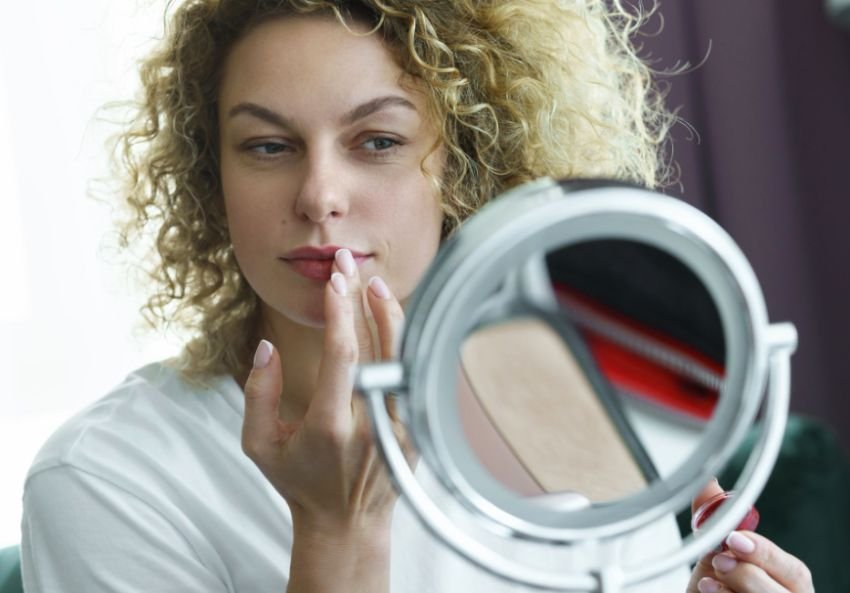
There is a frustrating moment many oily-skin makeup wearers know well: the skin tint looks smooth and fresh after application, then a few hours later the T-zone turns shiny, coverage fades around the nose, and the base starts separating in places that looked flawless that morning. I have found that the problem usually is not the skin tint alone. The bigger issue is how skincare, primer, powder, application technique, and midday touch-ups all work together.
Once I understood how to make skin tint last on oily skin, I stopped relying on heavier layers and started focusing on smarter ones. The best results come from creating a balanced base, controlling oil only where necessary, and keeping the complexion light enough to move naturally without breaking apart.
Why Does Skin Tint Separate on Oily Skin?
Skin tint usually contains less pigment than traditional foundation, which creates the sheer, natural finish many of us want. That lighter texture, however, can also break down more easily when sebum, sweat, sunscreen, and skincare begin mixing with it.
The problem often gets worse when I apply too many rich products underneath. Heavy moisturizer, emollient sunscreen, primer, and multiple layers of complexion makeup can create a slippery surface that prevents the tint from gripping properly.
Instead of trying to eliminate every trace of shine, I focus on creating a balanced surface before makeup goes on.
How Should I Prep Oily Skin Before Skin Tint?
I start with lightweight hydration rather than a thick, oil-heavy cream. An oil-free moisturizer or lightweight serum containing ingredients such as hyaluronic acid can hydrate without leaving the complexion overly greasy. Niacinamide is also commonly used in oily-skin routines and may help improve the appearance of excess oil over time.
Sunscreen matters just as much. After applying SPF, I give it time to settle before moving to makeup. Putting tint directly over wet or tacky sunscreen can contribute to pilling, sliding, and uneven coverage.
Should I Use Mattifying or Gripping Primer?
For oily skin, I prefer targeted primer instead of covering the entire face.
A gripping or mattifying primer works especially well across the forehead, sides of the nose, chin, and other areas where makeup usually disappears first. If my cheeks stay relatively balanced, I leave them alone so the finished complexion still looks natural.
This approach gives the tint a more stable surface without making the entire face overly matte.
Does the Under-Powder Trick Help Oily Skin?
For very oily areas, a small amount of translucent powder before skin tint can be useful.
I lightly press a tiny amount onto the T-zone, nose, or chin after skincare and primer have settled. The goal is not to create a visible powder layer. I simply want enough to absorb some of the initial surface oil.
This technique can be especially helpful when makeup tends to break apart quickly around the nose or forehead. However, using too much powder underneath can make the final result dry or textured, so restraint matters.
What Skin Tint Works Best for Oily Skin?
When choosing a skin tint for oily skin, I usually look for words such as lightweight, long-wearing, natural finish, demi-matte, soft matte, or oil-free.
Some formulas also contain oil-absorbing powders that help reduce excess shine. Laura Mercier Tinted Moisturizer Oil Free, for example, is positioned specifically toward users who want lighter coverage with more shine control.
I would not automatically avoid silicones, though. Many primers and complexion products use silicones to improve smoothing and wear. Formula compatibility matters more than assuming every silicone-containing product is unsuitable for oily skin.
How Much Skin Tint Should I Apply?
Less is almost always better.
I start with only a few drops or a small amount of product and spread it from the center of my face outward. Areas around the nose, mouth, and forehead usually need less product than people think.
When I want additional coverage, I spot conceal instead of applying another full layer of tint. Keeping the base thin reduces the amount of makeup that oil can move around later.
This is one of the most important steps in how to make skin tint last on oily skin because excessive product is a major reason lightweight bases begin separating.
Should I Use Fingers, a Brush, or a Sponge?
All three can work, but technique matters more than the tool.
I like to spread the tint lightly and then press or gently buff it into the complexion instead of repeatedly swiping across the skin. Pressing helps maintain even coverage and reduces the chance of disturbing primer underneath.
A dense brush can provide slightly more coverage, while a damp sponge can create a softer finish. Fingers work well with many serum-style skin tints because body warmth helps spread the product quickly.
Whichever method I use, I avoid overworking the base.
How Should I Set Skin Tint Without Making It Cakey?
I powder strategically rather than treating the entire face the same.
A small amount of translucent loose powder works well across the T-zone, nose, chin, smile lines, and other places where oil or movement tends to break down makeup. I usually leave the outer cheeks more lightly powdered so the complexion keeps some natural dimension.
For oily areas, pressing powder into place works better for me than aggressively sweeping it across the tint.
The goal is controlled shine, not an entirely flat finish.
Does Setting Spray Make Skin Tint Last Longer?
A long-wear setting spray can improve staying power after powder.
For oily skin, I prefer a setting spray marketed for long wear, oil control, or a more natural-to-matte finish rather than an intensely dewy mist. Charlotte Tilbury’s setting spray is one commonly discussed long-wear option, although plenty of alternatives can work.
After misting, some makeup artists and users gently press the spray into the complexion with a clean sponge or brush. I keep the pressure light so I do not disturb the base underneath.
How Do I Touch Up Oily Skin Tint During the Day?
The biggest mistake I avoid is immediately piling powder over fresh oil.
When shine appears, I first use blotting papers or a clean tissue to lift oil from the skin. Then, if necessary, I press a very small amount of powder onto the shiny area.
This method usually looks much smoother than repeatedly layering powder over sebum.
It is particularly useful during hot US summers, long office days, or humid weather when the T-zone can become shiny even with good preparation.
Why Does Skin Tint Rub Off Around the Nose?
The nose is a high-oil, high-movement area, so makeup often disappears there first.
I keep moisturizer, primer, tint, and powder especially thin around the sides of my nose. If that area still breaks down, I use a tiny amount of mattifying primer followed by minimal tint and lightly pressed translucent powder.
Adding more tint usually makes the problem worse rather than fixing it.
FAQs About Making Skin Tint Last on Oily Skin
1. Should oily skin use powder with skin tint?
Yes. A small amount of translucent powder can improve wear, particularly on the forehead, nose, and chin. Strategic powdering usually looks more natural than setting the entire face heavily.
2. Can I use dewy skin tint if I have oily skin?
Yes, but you may need stronger oil control around the T-zone. A dewy formula can still look flattering when you keep the center of the face controlled and allow the cheeks to remain slightly luminous.
3. Why does my skin tint look patchy after a few hours?
Too much skincare, excessive tint, oil breakthrough, friction, or incompatible product layers can all contribute. Using thinner layers and blotting before powdering usually helps.
4. Is primer necessary under skin tint?
Not always. If your tint already wears well, you may not need primer. For oily skin, however, targeted gripping or mattifying primer can help around areas where makeup regularly separates.
Final Thoughts
Once I figured out how to make skin tint last on oily skin, I stopped trying to make my complexion completely matte. The better strategy is controlling excess oil while preserving the lightweight finish that makes skin tint attractive in the first place.
I keep skincare light, allow sunscreen to settle, prime oily areas, use the under-powder technique only when needed, apply minimal tint, spot conceal, set strategically, and blot before touching up. These same techniques also work well in a lightweight makeup routine for humid summer days, when excess oil, sweat, and heat can cause complexion products to break down faster.
That combination gives me a fresher, smoother base without turning a lightweight makeup routine into heavy foundation.