I think the most frustrating part of foot care is doing something that seems protective and still finding rough heels afterward. Socks cushion your feet and reduce rubbing, so expecting them to prevent dryness makes sense. However, understanding why your feet feel dry even when you wear socks starts with separating protection from hydration.
Socks do not supply moisturizer or treat an underlying skin condition. Your washing habits, footwear, indoor environment, and skin barrier still matter. Sometimes, what looks like dryness is actually irritation or peeling from trapped moisture.
Why Socks Alone Cannot Prevent Dry Skin
Your skin barrier helps retain water. When that barrier becomes disrupted, skin can feel tight, flaky, or rough even beneath socks. Covering your feet does not automatically restore their ability to hold moisture.
Socks are most useful when paired with appropriate care. A clean pair worn over moisturized heels can support a bedtime routine and keep ointment off bedding. Wearing socks over already dry skin, however, may leave the underlying problem unchanged.
Common Reasons Your Feet Still Feel Dry
Hot Showers and Harsh Cleansers
Long, hot showers can worsen dryness, particularly when you skip moisturizer afterward. Strong soaps and fragranced cleansers may also irritate sensitive skin.
Choose lukewarm water and a gentle, fragrance-free cleanser. Keep baths and showers brief, and blot your feet gently instead of rubbing them vigorously with a towel.
Dry Indoor Air
Indoor heating during colder months can reduce humidity and contribute to dry skin. Socks offer coverage, but they do not fully cancel the effects of your environment.
Notice whether your heels become rougher when the heat runs regularly. That pattern suggests your moisturizing routine may need extra attention during winter.
Shoe Friction and Thickened Heels
Walking and standing put repeated pressure on your feet. Poorly fitting shoes can add friction, encouraging thick, hard patches around pressure points.
Dry, thickened skin around the heel is less flexible and may split under pressure. Supportive shoes that fit properly can help reduce rubbing. Socks cannot compensate for shoes that repeatedly irritate the same area.
Sweaty Socks and Irritation
Feet can sweat inside enclosed shoes while still developing peeling or uncomfortable skin. Sweat on the surface is different from healthy hydration within the skin barrier.
Prolonged dampness can soften and weaken skin. Change socks when they become wet, let shoes dry between wears, and dry carefully between your toes after washing.
Reactions to Socks or Footwear
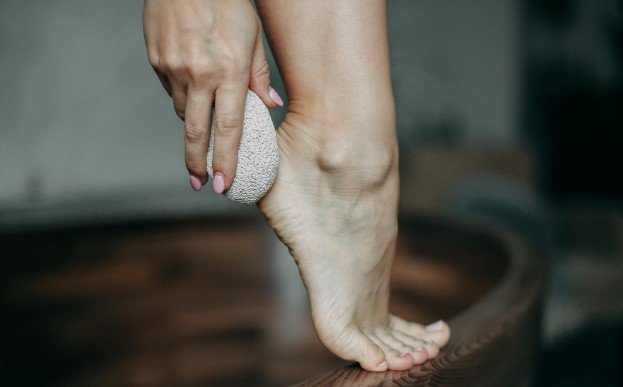
An itchy rash may come from contact dermatitis rather than ordinary dryness. Sock dyes, shoe materials, adhesives, or fragranced foot products can trigger reactions in some people. Even if you normally use pumice stone without overdoing it, pause exfoliation while the skin is itchy or inflamed to avoid further irritation.
Consider whether symptoms began after changing footwear or products. Stop using a suspected nonessential irritant and seek advice if the rash persists or repeatedly returns.
When Dry-Looking Skin Has Another Cause
Understanding why your feet feel dry even when you wear socks also means recognizing that peeling does not always need more moisturizer.
Athlete’s foot can cause itching, scaling, redness, or peeling, often between the toes. Eczema and psoriasis can also affect the feet. Their treatment differs from the routine used for uncomplicated rough heels.
White, soft, waterlogged skin needs attention to excess moisture. Persistent itchy scaling may need antifungal treatment or assessment. Avoid assuming every flaky patch has the same cause, especially when moisturizing does not help.
A Better Routine for Softer Feet
Apply Moisturizer After Washing
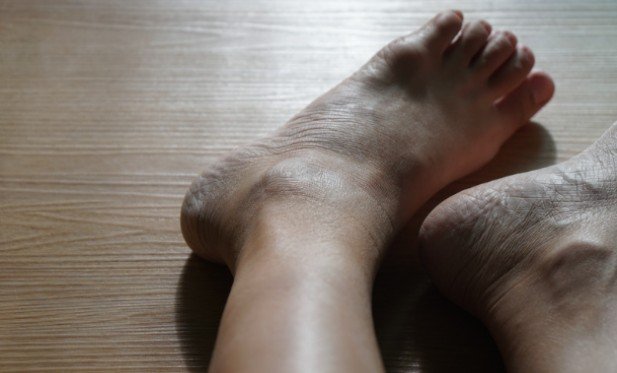
Apply a fragrance-free cream to dry areas shortly after bathing. Creams and ointments generally provide more protection than thin lotions.
For thick, intact heel skin, a foot cream containing urea may help retain moisture and soften roughness. Follow the label, and avoid applying exfoliating ingredients to raw skin or open cracks.
Use Socks With Bedtime Moisturizing
Apply a thin layer of plain petroleum jelly to dry heels before bed, then wear clean, comfortable socks if desired. Keep moisturizer away from damp spaces between the toes.
Bedtime care and daytime sweat management serve different purposes. Choose socks that remain comfortable during your activities, and change them whenever they become damp rather than relying on one fabric for every situation.
Avoid Aggressive Exfoliation
Do not scrape away thick skin with blades or scrub until your heels feel tender. Excessive exfoliation can cause injuries and worsen irritation.
If you have diabetes, reduced sensation, or poor circulation, ask a clinician before attempting callus removal. Protecting your skin matters more than achieving perfectly smooth heels immediately.
When to Seek Professional Help
Arrange an assessment when dryness remains troublesome despite consistent gentle care. Seek prompt attention for swelling, increasing warmth, spreading redness, drainage, significant pain, or difficulty walking.
People with diabetes should contact their care team about new cracks, wounds, or skin changes rather than waiting for them to become painful.
Frequently Asked Questions
1. Can moisturizer explain why your feet feel dry even when you wear socks?
Yes. Using too little moisturizer, applying it inconsistently, or choosing a lightweight lotion may leave rough heels inadequately protected. Persistent symptoms can also have another cause.
2. Should I sleep in socks every night?
It is optional. Clean socks can keep bedtime ointment off bedding, but change or remove them if your feet become damp or irritated.
3. Does drinking more water fix dry heels?
Adequate hydration supports health, but drinking extra water does not replace topical care or treatment for irritation, fungal infection, or another skin condition.
A Gentler Finish
For me, how to use a pumice stone without overdoing it comes down to patience and paying attention to how the skin feels. I would rather leave a little roughness for another day than keep scrubbing until walking becomes uncomfortable. A successful session should leave your feet feeling comfortable, with no burning, tenderness, or raw patches.
I also think the care between sessions deserves just as much attention. Regular moisturizing, well-fitting shoes, and reducing friction can help keep rough areas manageable without constant filing. If your heels already feel smooth, there is no reason to exfoliate simply because a week has passed.