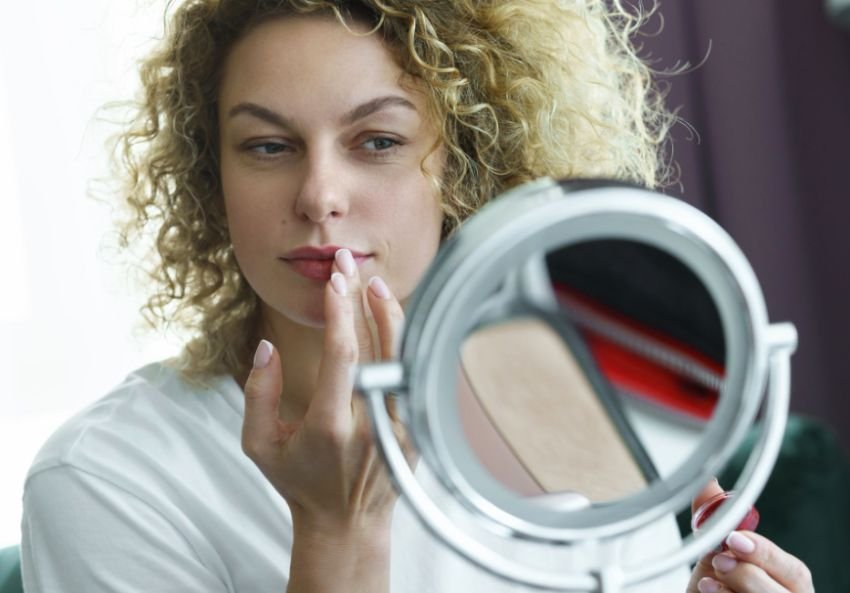
By lunchtime, makeup around the mouth can look completely different from the rest of the face. The cheeks may still look smooth, but foundation near the upper lip starts breaking apart, smile lines become more visible, and the chin begins to look patchy or cakey. I have found that this usually happens because the mouth is constantly moving while also dealing with oil, moisture, skincare, and repeated contact throughout the day.
The good news is that fixing this does not require piling on more primer, powder, or foundation. In fact, using less product is often what improves the finish most. Once I started treating the mouth as a high-movement area and adjusting my prep, application, and touch-up routine accordingly, my base started wearing much more evenly.
If you are trying to learn how to keep makeup from separating around the mouth, the key is to create flexible, lightweight layers that can move with your skin instead of sitting heavily on top of it.
Why Does Foundation Separate Around the Mouth?
Foundation separating around mouth usually happens because too many products are sitting on top of moving skin. Heavy moisturizer, sunscreen, primer, foundation, concealer, and powder can create a thick layer that breaks apart as soon as the skin starts moving.
Dryness can cause the opposite problem. When the skin lacks moisture, foundation can cling unevenly and make texture around the mouth more obvious.
Oil is another factor. The upper lip and chin can become shiny even when the cheeks stay normal or dry. Warm US summers, humid climates, commuting, workouts, and long office days can all make makeup separate faster.
Smile lines also naturally fold throughout the day, so product can collect there even if the rest of the base stays intact.
How Should I Prep My Skin Before Applying Foundation?
I get better results when I keep my pre-makeup routine simple.
I start with lightweight hydration instead of a thick cream around the mouth.
I also avoid aggressive exfoliation immediately before applying makeup, especially when my skin feels irritated or dry. If acne-prone skin needs help with clogged pores, chemical exfoliation for acne-prone skin can provide guidance on incorporating exfoliating products into a skincare routine without unnecessarily disrupting the skin before foundation application.
A thin moisturizer or hydrating essence can soften dry areas without leaving too much slip behind.
After applying skincare and sunscreen, I give everything a few minutes to absorb. Then I fold a clean tissue into a small square and gently press it around my upper lip, smile lines, and chin. This lifts excess moisturizer, oil, or sunscreen without aggressively rubbing the skin.
That small step can make a noticeable difference when patchy foundation around mouth areas is caused by too much product underneath.
Do Primer and Foundation Need to Match?
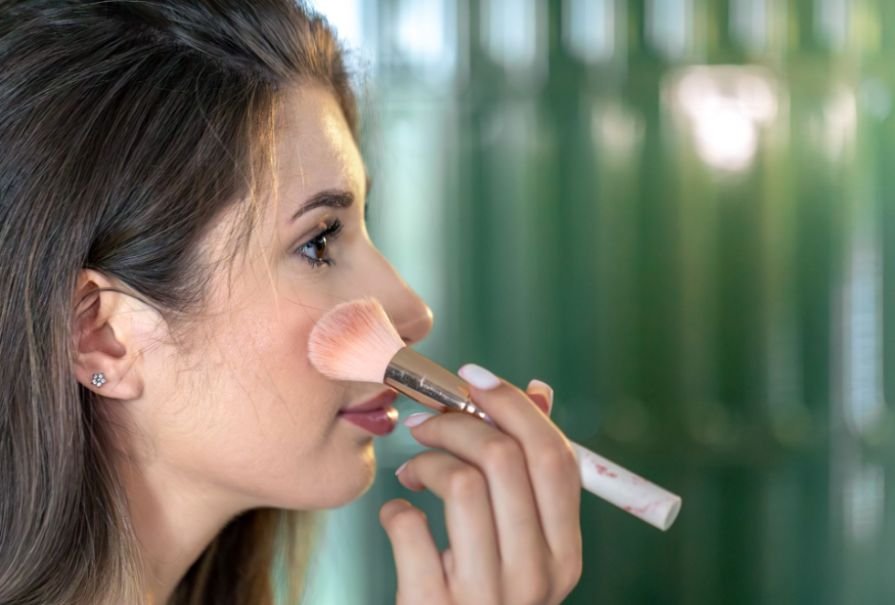
Formula compatibility matters, but I do not rely on the oversimplified idea that every product must be strictly water-based or silicone-based.
Many modern foundations and primers contain a mix of ingredients. What matters more is whether the products layer well together.
If my foundation pills, slides, or breaks apart immediately after application, I test the combination on a small area first. I also avoid applying large amounts of primer.
For oily areas, I use a thin layer of gripping or oil-controlling primer around the upper lip and chin. For dry skin, I prefer a lightweight smoothing primer.
The goal is compatibility and thin layers, not piling on more product.
How Much Foundation Should I Use Around My Mouth?
Using less foundation around high-movement areas is one of the biggest improvements I made.
I apply foundation to my cheeks, forehead, and other areas first. Then I use only the residual product left on my brush or damp sponge around my mouth.
This creates a much thinner layer and helps prevent cakey makeup around mouth areas later.
If I need extra coverage for redness, hyperpigmentation, or darkness around the mouth, I use a tiny amount of concealer or color corrector only where needed. I tap it into place with my finger or sponge instead of applying another full layer of foundation.
How Do I Stop Makeup Creasing in Smile Lines?
Makeup creasing around mouth areas often gets worse when too much foundation sits directly inside the folds.
After applying my base, I smile a few times and check whether product has already settled into my smile lines. If it has, I gently press away the excess with a sponge.
I do this before setting with powder.
I also avoid trying to fill smile lines with makeup. The more product I push into the crease, the more noticeable it becomes once the face starts moving.
For mature or dry skin, this is especially important because heavy powder can make makeup settling into fine lines look more obvious.
Why Does Makeup Separate Above the Upper Lip?

Foundation separating on upper lip areas usually comes from a combination of sweat, oil, fine facial hair, movement, and excess product.
I use the thinnest layer possible in this area. If I need coverage, I rely on spot concealing rather than repeatedly layering foundation.
I also avoid applying thick skincare directly above the lip before makeup.
If the area gets oily during the day, I blot first rather than immediately adding powder.
Should I Set the Mouth Area With Powder?
Yes, but I use powder strategically.
A small amount of translucent or blurring powder can help control oil and reduce movement. I press it into the skin with a small fluffy brush or powder puff rather than sweeping a heavy layer across the face.
I pay particular attention to the chin and upper lip if those areas become oily.
Too much powder can cause foundation breaking up around mouth areas because the makeup becomes dry, stiff, and more likely to crack.
Can Setting Spray Help Makeup Last Longer?
Setting spray can help bring the layers together and make makeup look less powdery.
After finishing my base, I lightly mist my face and allow it to dry naturally. I do not immediately rub or blend the area afterward.
This step can be useful for long workdays, weddings, outdoor events, or humid weather.
How Do I Fix Makeup That Has Already Separated?
When my makeup separates during the day, I avoid adding more foundation directly on top.
My first rule is press, do not wipe.
I gently press a clean folded tissue against the area to lift excess oil and loose pigment. Then I use a damp sponge to press the remaining foundation back into place.
If foundation keeps rubbing off in specific areas, I also check whether friction from everyday accessories is disturbing my base. These tips on how to stop foundation rubbing off under glasses offer practical ways to reduce makeup transfer and keep coverage in place where repeated contact can wear it away.
If coverage has disappeared, I add the smallest amount of residual concealer or foundation and tap it in.
If oil caused the problem, I finish with a tiny amount of powder.
This lift-and-reblend method looks much more natural than layering fresh makeup over makeup that is already breaking apart.
How Do I Prevent Separation on Dry or Oily Skin?

For dry skin, I focus on lightweight hydration and avoid overly matte foundation.
When dry patches make foundation cling unevenly, I focus on skin preparation before adding more coverage. Following a makeup routine for dry patches around the nose can help me manage flaky areas with gentle hydration, thinner foundation layers, and careful application techniques that keep the base looking smoother.
I also make sure rough or flaky areas are moisturized before makeup day instead of aggressively exfoliating right before application.
For oily skin, I keep skincare lighter, use primer only where necessary, apply less foundation, and blot during the day before adding powder.
Combination skin often needs both approaches. I may hydrate the smile lines more while using oil control on the upper lip and chin.
Frequently Asked Questions
1. How to keep makeup from separating around mouth during a long workday?
Use lightweight skincare, blot excess product before applying foundation, keep base layers thin around the mouth, and set only the areas that become oily. Blot during the day before touching up.
2. Why does my foundation separate around my chin?
The chin can become oily and is also easy to touch throughout the day. Too much moisturizer, primer, foundation, or powder can also cause separation.
3. Why does my makeup look cakey around my smile lines?
Cakiness usually happens when too much foundation or powder collects inside moving folds. Use less product and remove excess before setting.
4. Can moisturizer make foundation separate?
Yes. Heavy moisturizer that has not fully absorbed can create too much slip under foundation. Allow skincare to settle and blot excess product before applying makeup.
5. Is a sponge better than a brush around the mouth?
Both can work, but a damp sponge makes it easy to press a very thin layer of product into the skin without dragging or disturbing the base.
Final Takeaways
Learning how to keep makeup from separating around the mouth changed the way I apply foundation because I stopped treating every area of my face the same.
The mouth needs lighter layers because it moves constantly. I get the best results when I keep skincare thin, blot excess slip, check whether my primer and foundation work well together, and use only residual foundation around high-movement areas.
I also spot conceal instead of layering, press powder lightly into oily zones, and use setting spray as a finishing step rather than depending on it to fix poor application.
When separation happens, I do not pile on more makeup. I blot, press, reblend, and touch up only where coverage has actually disappeared.
That approach keeps my base looking smoother, lighter, and more natural throughout the day.