Stepping into a communal bathhouse without knowing the rhythm guarantees friction. My first contrast circuit years ago left me staring down a crowded Finnish sauna, uncertain where to place my towel or when to plunge. Mastering a practical thermal hydrotherapy circuit spa etiquette guide ensures you protect communal hygiene, respect quiet recovery zones, and maximize vascular benefits without embarrassing yourself.
Hydrotherapy functions as an ancient physiological reset. The circuit alternates hot rooms, icy submersions, and quiet rest periods to stimulate circulation and downregulate the central nervous system. When dozens of guests share the same stone, steam, and water, strict social choreography keeps the experience tranquil.
The Pre-Circuit Wash: Why Surface Cleansing Protects the System
A proper circuit begins long before you touch a cedar bench or step into heated mineral water. Skipping the preliminary soap scrub remains the fastest way to irritate fellow bathers and ruin expensive filtration beds.
Communal pools rely on delicate chemical equilibria. Body lotions, cosmetic bronzers, synthetic fragrances, and residual sweat form chloramines when mixed with sanitizing agents.
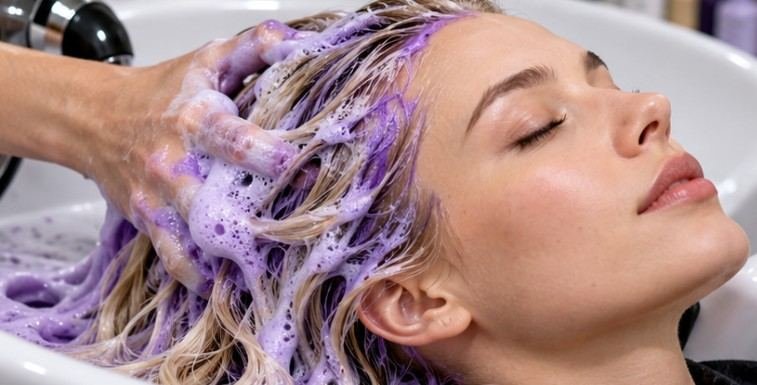
The Centers for Disease Control and Prevention emphasizes that thorough pre-wash showering removes personal care contaminants that degrade public water safety. Scrub down with unscented castile soap in the locker room showers. Remove all hair products, antiperspirants, and makeup before setting foot on the wet deck.
The Shower-Bench-Rinse Sequence
Every time you transition between thermal rooms, follow a strict three-phase physical barrier rule.
First, always place a dry, clean cotton towel between your bare skin and the seating surface. Cedar benches in dry saunas absorb body oils instantly. Steam room stone slabs require either a dedicated sit-mat or a quick rinse using the room’s handheld hose before and after sitting down.
Second, never exit a sweating chamber and slip directly into a cold plunge. Walking straight from a 190°F sauna into a communal cold bath without an intermediate rinse violates fundamental bathhouse ethics.
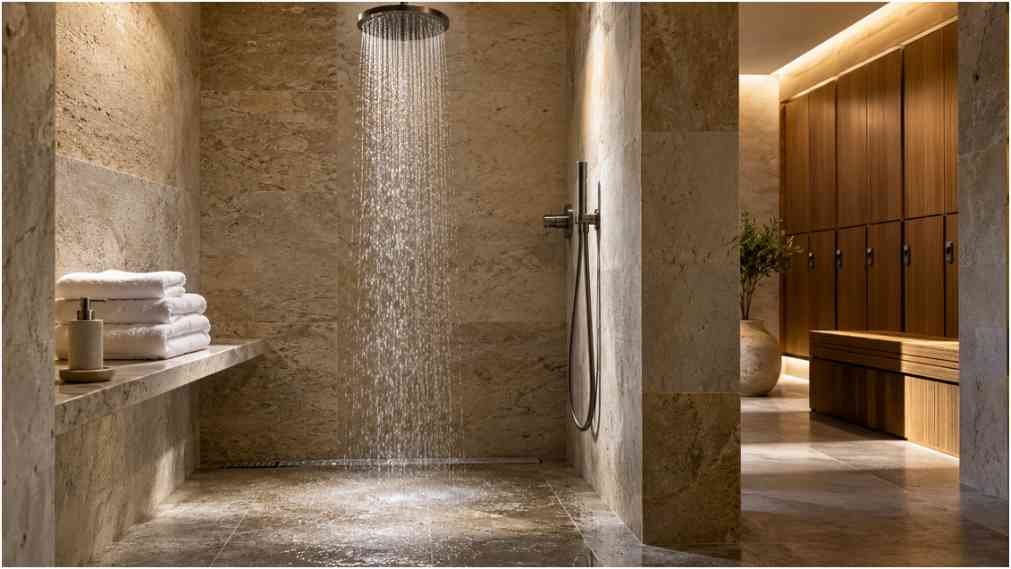
I practice the “Thermal Brake Rule”: step under an ambient experience shower for 30 seconds to wash away active surface perspiration before lowering yourself into shared cold water. If your visit follows intensive exfoliation or luxury day spa body polish treatments, this rinse prevents botanical oils and scrub residues from film-coating the immersion baths.
[Sauna / Steam: 10–15 min]
│
▼
[Ambient Rinse Shower: Wash Away Sweat]
│
▼
[Cold Plunge: 10–60 sec]
│
▼
[Solarium Rest: 15–20 min]
Clean Swimwear vs. Traditional European Protocols
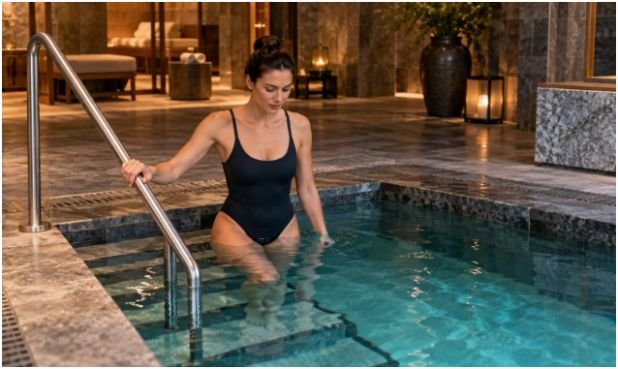
Attire protocols depend heavily on geography and specific property governance. In North American resort spas, clean, dedicated swimwear remains strictly mandatory across all co-ed thermal decks. Choose simple, chlorine-resistant swimsuits free of metal zippers, buckles, or dragging ties that snag cedar slats.
If you visit traditional European bathhouses in Germany, Austria, or Finland, textile-free rules often apply in saunas for hygiene reasons. Synthetic swimwear traps sweat against hot skin and can release microplastic vapors in extreme dry heat. Review house policies before your arrival. When nudity is required, bathers sit completely on an oversized sheet or towel so that no sweat touches bare wood.
Navigating Communal Hot, Cold, and Rest Cycles
Contrast therapy works through rapid vascular constriction and vasodilation. Moving smoothly through these stages prevents spatial bottlenecks and keeps the communal flow uninterrupted.
The Heat Stage: Sauna Benches and Silent Sweat
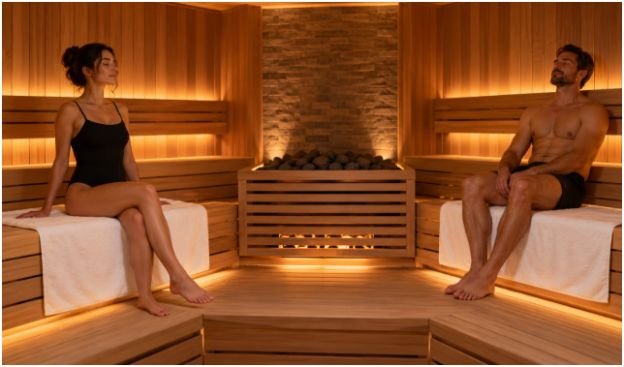
The hot chamber elevates your heart rate and dilates peripheral blood vessels. Research documented by the Mayo Clinic shows that sauna sessions support cardiovascular conditioning and joint comfort. Cap your heat immersion between 10 and 15 minutes.
Inside the dry sauna, preserve personal space. Sit upright or cross-legged rather than sprawling across two bench tiers when other guests are waiting. Avoid shaking your limbs or running hands along your arms to flick sweat onto the floor.
If you add water to the sauna stones (löyly), ask other guests in the room before pouring ladlefuls over the heating elements. An unexpected blast of high-humidity steam can overwhelm someone sitting on the higher, hotter benches.
The Cold Plunge: Zero-Splash Entry and Exit Ethics
The cold plunge demands mental discipline. Dropping into 50°F water triggers a natural gasp reflex. Controlled breathing separates seasoned bathers from newcomers. Clinical reviews from the Cleveland Clinic highlight how cold immersion stimulates norepinephrine release and calms muscular inflammation.
Enter the plunge basin smoothly using the handrails. Do not jump, belly-flop, or splash water out of the basin onto the surrounding non-slip tile. Keep your head above water unless the spa permits full submersion and you have rinsed your hair thoroughly beforehand.
Limit your immersion to 30 to 60 seconds. Lingering past two minutes clogs the entry steps and risks sudden hypothermic cramping. Exit quietly and step onto drainage grates to drip off.
Solarium Recovery: Halting the Lounger-Reservation Habit
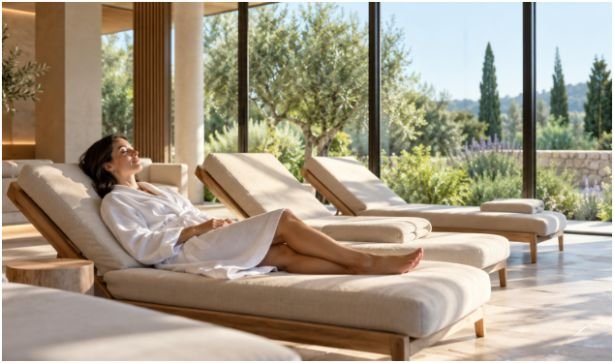
The rest phase anchors the entire physiological process. Your vascular system requires 15 to 20 minutes in a neutral-temperature lounge or solarium to stabilize heart rates and balance arterial pressure.
Communal relaxation lounges suffer from one universal etiquette violation: the chair hog. Never drop your robe, magazine, or water bottle onto a prime padded lounger to claim it while you disappear for a 45-minute circuit loop. Take a seat only while resting.
Wrap yourself in a dry robe or fleece blanket to retain core warmth. If you plan paired treatments like a water weight reduction body wrap, schedule your recovery time so your resting phase transitions directly to your treatment suite without abandoning items on public furniture.
Sensory Respect: Soundscapes, Digital Lockdowns, and Spacing
Thermal spas are sensory deprivation sanctuaries. Sound bounces aggressively off tiled ceilings, wet flagstone, and glass enclosures.
- The Low Whisper Rule: Keep verbal exchanges minimal and drop your voice an octave below normal conversation levels. Step into outdoor transit courtyards for extended discussions. Obey marked silent rooms without exception.
- Complete Digital Lockout: Store smartphones and smartwatches in your private locker. Flashing screens disrupt ambient resting light. Bathhouse photography violates basic guest privacy.
- Spatial Buffering: Leave at least one arm’s length between yourself and strangers on pool benches and steam ledges. If a hot whirlpool holds six people and four are already inside, wait for someone to cycle out.
Hydration Limits and Vascular Shock Boundaries
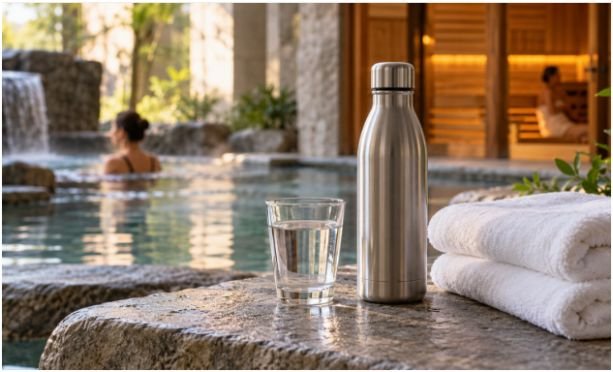
Intense contrast hydrotherapy pulls significant moisture from your bloodstream through active perspiration and respiratory water loss. Dehydration thickens blood viscosity and triggers dizziness during sudden temperature swings.
Drink 16 to 20 ounces of cool electrolyte water before entering the first hot room. Sip clean water between every cycle. Never consume alcoholic beverages before or during contrast cycles; alcohol dilates blood vessels unpredictably, accelerating thermal fainting risks.
Pay close attention to autonomic distress signals. If you experience lightheadedness, tunnel vision, nausea, or a pounding sensation behind your temples, step out of the heat source immediately. Sit down on a low bench or floor level, cool your forehead with an ambient wet cloth, and notify pool attendants if the sensation does not subside within two minutes.
Frequently Asked Questions
1. Can I wear sandals or flip-flops inside the sauna?
No, leave your spa slides outside the sauna door on designated shoe racks to prevent melting synthetic soles and bringing wet floor bacteria onto hot wood.
2. How many times should I repeat the hot-cold-rest circuit?
Most bathers achieve optimal nervous system balance and physical relaxation by completing two to three full cycles over two hours.
3. Is talking completely forbidden in thermal hydrotherapy circuits?
Whispering quietly is acceptable in social zones, but silent rooms and meditation solariums mandate absolute, unbroken silence.
4. What should I do if the cold plunge feels too intense?
Exit using the handrail immediately without thrashing, or substitute the plunge pool with a cooling ambient mist shower.
Ditch the Hesitation and Own the Circuit
Mastering bathhouse etiquette transforms an intimidating thermal circuit into an effortless personal ritual. When you respect pre-wash hygiene, control your breath in the cold tank, and let go of lounge chair territorialism, the entire room breathes easier.
Pack a clean swimsuit, leave your phone behind the locker latch, and trust the contrast process. Book your day pass, complete your first rinse, and step onto the hot stones with absolute confidence.