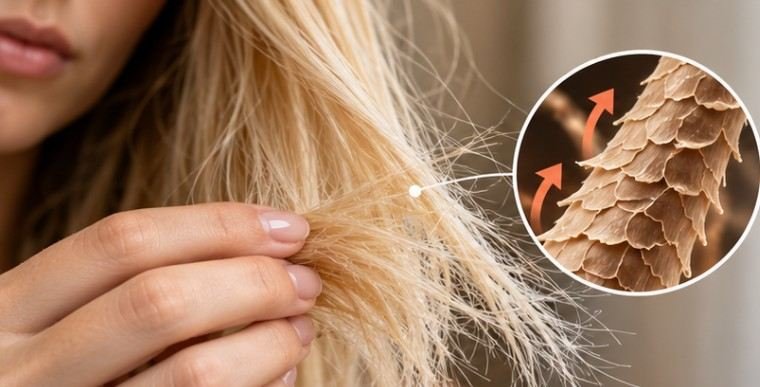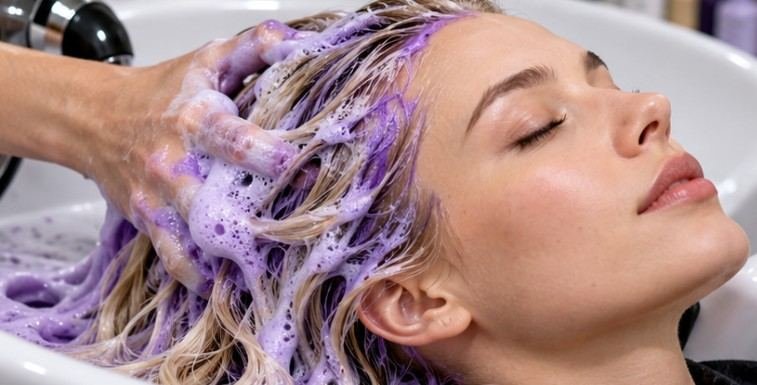
Rough, bumpy cheek skin caught in harsh side lighting used to frustrate me every morning. When I learned how to get smooth skin texture on cheeks naturally, I realized the fix was not aggressive scrubs or expensive clinical peels. Real smoothing comes from working alongside your skin’s biological renewal cycle, repairing the epidermal barrier, and feeding the cells adequate hydration.
Here is the exact biological blueprint and daily routine I used to restore a supple, touchably soft feel to rough cheek patches without harsh side effects.
Why Cheek Texture Differs From the Rest of Your Face
Cheeks present unique biological challenges compared to your forehead, nose, or chin. Your T-zone produces substantial sebum, keeping the skin lubricated. Cheeks have significantly fewer sebaceous glands. This lack of natural lipids makes the mid-face vulnerable to rapid moisture loss, dryness, and microscopic flaking.
+————————————————————–+
| THE TEXTURE ENGINE |
| |
| Low Cheek Sebum + High Transepidermal Water Loss (TEWL) |
| │ |
| ▼ |
| Impaired Corneocyte Shedding (Keratin Stagnation) |
| │ |
| ▼ |
| Rough, Uneven Surface Micro-Relief |
+————————————————————–+
Friction, Dehydration, and Impaired Desquamation
According to research published by the National Center for Biotechnology Information (NCBI), when the skin barrier lacks moisture, transepidermal water loss (TEWL) spikes dramatically. This drop in hydration disables the natural enzymes responsible for desquamation—the natural shedding of dead cells. Dead cells accumulate unevenly rather than detaching cleanly.
Add physical triggers like sleeping on rough cotton sheets, resting your smartphone against your face, or indoor heating, and your cheeks quickly turn sandpapery.
The Natural 4-Step Skincare Method for Uneven Cheek Texture

Overhauling my routine meant stripping out aggressive acids and rough abrasive beads. Natural skin smoothing relies on cellular tolerance and barrier preservation.
[ Step 1: Gentle Cleansing ]
│
▼
[ Step 2: Enzyme / Lactic Dissolution ]
│
▼
[ Step 3: Humectant + Lipid Sandwich ]
│
▼
[ Step 4: Mineral UV Shield ]
Step 1: Switch to Barrier-Preserving Cleansing
I stopped washing my face with steaming hot water, which dissolves essential structural ceramides. Lukewarm water is non-negotiable.
Swap out foaming sulfates for a fragrance-free lotion or milky gel cleanser containing glycerin and ceramides. If your cheeks lean dry in the morning, skip soap completely. Rinse with plain lukewarm water so you do not strip the natural lipids your skin produced overnight.
Step 2: Use Enzymatic and Low-Strength Acid Exfoliation
Physical scrubs with ground shells or walnut fragments create microscopic tears on delicate cheek tissue. Instead, use fruit enzymes or milk-derived acids one to two times a week. Papaya (papain) and pineapple (bromelain) enzymes break the protein bonds gluing dead cells together without disturbing live tissue.
If you prefer liquid exfoliants, pick gentle chemical exfoliants for textured dry skin formulated with lactic acid. Lactic acid is an alpha-hydroxy acid with a larger molecular size that exfoliates slowly while acting as an intrinsic humectant.
Step 3: Layer Humectants and Lipids for Deep Plumping

Hydrated skin reflects light smoothly; dehydrated skin exaggerates pores and fine ridges.
- Flood the skin with water: Apply a hyaluronic acid or pure organic aloe vera serum onto damp skin immediately after cleansing.
- Soothe surface redness: Use a 2% to 4% niacinamide serum to strengthen cellular lipid production and calm underlying redness.
- Seal the moisture: Lock in that water with a ceramide-rich cream or a drop of cold-pressed squalane.
If you spend long hours under HVAC units, keep hydrating face mists for dry office air at your desk to prevent midday moisture evaporation. The American Academy of Dermatology (AAD) highlights that ceramides and humectants are fundamental to maintaining a resilient, supple surface barrier.
Step 4: Shield the Stratum Corneum With Daily SPF
Sun damage is a primary culprit behind rough, leathery cheek texture. Ultraviolet rays trigger free radicals that degrade collagen and elastin fibers in the dermal layer. As structural support collapses, pores distend and the skin loses its firm, tight arrangement.
Studies from Harvard Health Publishing confirm that broad-spectrum sunscreen prevents the structural breakdown responsible for coarse dermal changes. Apply an SPF 30 or higher mineral sunscreen containing zinc oxide every morning. Zinc oxide also doubles as a mild, natural anti-inflammatory agent for irritated cheeks.
Daily Habits That Naturally Refine Cheek Roughness
Topical serums only address the outer layers of the stratum corneum. The underlying tissue relies on daily physiological habits.
Hydration Architecture and Nutrient-Dense Whole Foods

Cells need internal hydration to maintain osmotic volume. Drink clean water throughout your day to keep tissues plump from within.
Pair internal hydration with a diet high in essential fatty acids and cellular repair micronutrients:
- Omega-3 Fatty Acids: Wild salmon, walnuts, chia seeds, and flaxseed oil deliver fatty acids that reinforce cell membranes.
- Antioxidants & Carotenoids: Blueberries, dark leafy greens, and carrots protect existing collagen against oxidative stress.
- Sugar Moderation: High glycemic index foods trigger advanced glycation end-products (AGEs), stiffening collagen fibers and dulling skin tone.
Sleep Hygiene and Pillowcase Friction Control
Cellular division and tissue recovery accelerate during deep delta sleep cycles. Getting seven to eight hours of sound rest nightly gives your epidermal layer adequate time to generate new cells.
Equally important is surface friction. Standard cotton pillowcases absorb facial oils and create repetitive tugging on your cheek skin as you shift during the night. Switching to a silk or high-grade satin pillowcase minimizes friction and keeps topical moisture where it belongs. Wash your pillowcases every 3 to 4 days to eliminate lingering dirt and sebum buildup.
The 21-Day Cheek Reset: What I Observed Firsthan
Hydration Architecture and Nutrient-Dense Whole Foods
When testing this simplified natural routine, I recorded measurable changes in surface texture over a standard three-week skin cycle:
| Timeframe | Observed Surface Condition | Primary Biological Driver |
| Days 1–5 | Immediate drop in tightness; flaking softens noticeably | Restored topical barrier and decreased TEWL |
| Days 6–14 | Micro-bumps smooth out; foundation applies evenly | Enzymatic desquamation cleanly clearing dead cellular debris |
| Days 15–21 | Noticeable bounce and fine-grain light reflection across both cheeks | Replenished stratum corneum and restored lipid barrier |
Eliminating gritty scrubs stopped the continuous cycle of micro-inflammation, allowing my cheeks to heal and regain their natural softness.
Ditch the Rough Patches for Good
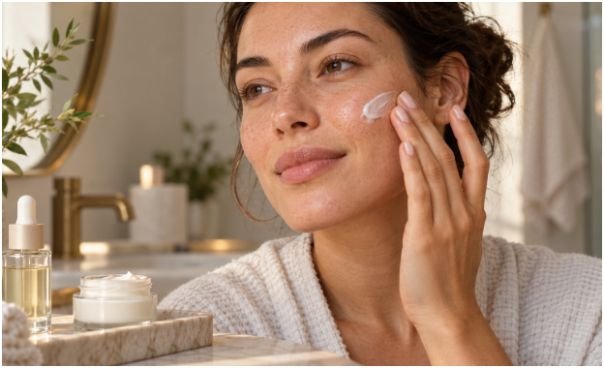
Smooth skin does not require harsh peels or an eight-step medicine cabinet. By removing friction, providing mild enzyme exfoliation, and locking in deep hydration, your cheeks will naturally regain their supple, smooth micro-relief.
Pick one barrier-friendly tweak today—like washing with lukewarm water or sleeping on a silk pillowcase—and give your skin the breathing room it needs to heal itself.
Frequently Asked Questions About Smoothing Cheek Texture
1. Can drinking extra water cure rough cheek texture completely?
Water hydrates cellular tissue from within, but you still need topical lipids like ceramides to keep that moisture from evaporating into the air.
2. How often should I naturally exfoliate rough cheeks?
Limit natural enzyme or lactic acid treatments to once or twice weekly to avoid damaging your skin barrier.
3. Why are my cheeks textured but my T-zone is smooth?
Cheeks contain fewer oil-producing sebaceous glands, making them dry out faster and trap dead skin cells more readily.
4. Does aloe vera help smooth rough cheek bumps?
Pure aloe vera calms surface inflammation and delivers lightweight moisture that temporarily plumps dry ridges.