I understand the disappointment of expecting refreshed skin and noticing new bumps instead. My first instinct would be to question everything applied during the appointment. However, answering why does my skin break out after a facial requires looking at the treatment, the symptoms, and what happened afterward.
Facials can trigger irritation, expose skin to unsuitable products, or coincide with an existing acne flare. Certain active treatments may also cause temporary worsening. The important point is that pimples do not automatically prove your skin is purging or that the treatment worked.
What Causes Pimples After a Facial?
Exfoliation Can Irritate Your Skin
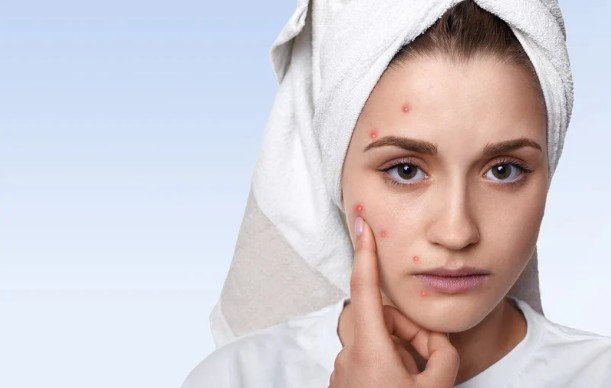
A facial may combine cleansing, exfoliating acids, scrubs, and several finishing products. When that combination exceeds your skin’s tolerance, redness, tenderness, and bumps can follow.
Your existing routine matters too. Using retinol or exfoliating acids before an appointment can leave skin less tolerant of additional treatment. Share those details with your provider rather than assuming professional products cannot irritate.
Extractions Can Cause Local Inflammation
Extractions involve removing material from clogged pores. Pressure and manipulation may leave individual spots temporarily red or tender, especially when an area receives repeated attention.
However, widespread swelling, increasing pain, or persistent inflammation should not be dismissed as routine recovery. Avoid squeezing anything left behind; further pressure can increase irritation and the risk of marks. The same attention to persistent symptoms applies elsewhere: if your feet feel dry even when you wear socks, consider whether your care routine needs adjusting rather than assuming coverage alone will resolve dryness.
Treatment Products May Not Suit You
Massage oils, rich masks, fragranced products, and finishing creams can cause problems for some skin types. A product that feels luxurious may still irritate your skin or contribute to clogged pores.
Ask which products were used, including anything applied before you left. Labels such as “non-comedogenic” indicate a product is less likely to clog pores, although individual responses still vary.
The Timing May Be Coincidental
Not every pimple appearing afterward began during the appointment. Acne develops before it becomes visible, and hormonal changes or your usual breakout pattern may explain some new spots.
Timing offers a clue, but it cannot establish the cause alone. Compare the reaction with your typical acne and consider whether you also introduced new skincare at home.
Is It Purging or a Bad Reaction?
When considering why does my skin break out after a facial, avoid using “purging” as an explanation for every bump.
Temporary acne worsening can occur with treatments that affect cell turnover, particularly when starting retinoids. A basic moisturizing facial does not automatically create that process.
Bumps in familiar acne-prone areas after a relevant active treatment may fit that explanation. However, location alone cannot confirm it. Burning, itching, widespread redness, or an unfamiliar rash raises concern for irritation or another reaction.
Uniform, itchy bumps can also resemble acne without being ordinary pimples. A dermatologist can distinguish acne from conditions such as folliculitis or contact dermatitis when the appearance is unclear.
What Should You Do After a Breakout?
Follow Your Treatment’s Aftercare
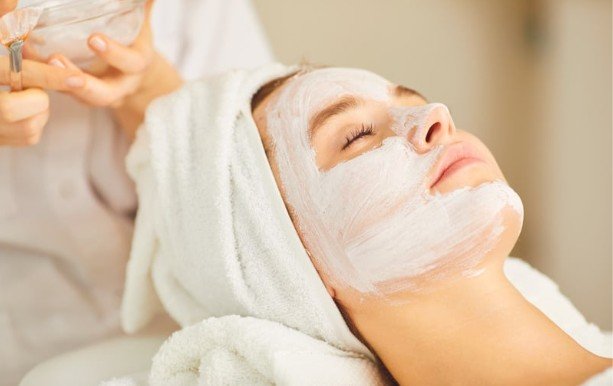
Start with the instructions provided for your specific facial. A gentle hydrating treatment and a chemical peel may require different recovery routines.
Contact your provider if the advice seems unclear or your symptoms differ from what they described. Ask what was applied and when you should restart your usual products.
Keep Your Routine Simple
Use a gentle cleanser, a familiar moisturizer, and broad-spectrum sunscreen with SPF 30 or higher. Choose products that feel comfortable rather than sting.
Avoid scrubs, cleansing brushes, and additional exfoliation while skin feels irritated. Do not immediately add several acne treatments to “fix” the reaction. Ask your prescribing clinician before changing prescribed acne medication.
Leave the Bumps Alone
Picking can worsen inflammation and prolong healing. A cool, clean compress may ease mild discomfort, but avoid placing ice directly against your skin.
Take clear photographs and note when symptoms started. This record can help your provider assess whether the reaction is improving or spreading.
How Long Should Post-Facial Bumps Last?
There is no universal recovery window because the treatment and cause differ. Mild redness following manipulation should trend toward improvement; ongoing new lesions or worsening discomfort deserve reassessment.
Do not apply the adjustment timeline for a newly started retinoid to every facial reaction. You also do not need to wait through an arbitrary deadline before asking for advice.
Seek prompt medical evaluation for increasing warmth, spreading redness, drainage, severe pain, or fever. Trouble breathing or swelling involving the lips, tongue, or throat requires emergency care.
Frequently Asked Questions
1. Why does my skin break out after a facial even when I rarely get acne?
Unfamiliar products, excessive exfoliation, or irritation from extractions may explain new bumps. A rash can also resemble acne, so persistent or uncomfortable symptoms need assessment.
2. Should I Book Another Facial to Clear the Pimples?
Speak with your provider first. Repeating exfoliation or extractions before understanding the reaction can add irritation rather than resolve the underlying problem.
3. Can I Wear Makeup Over the Breakout?
Follow your aftercare instructions, especially after peels or extractions. Avoid makeup over broken or weeping skin, use clean applicators, and remove makeup gently.
My Final Thoughts
Recovery should guide the next step, especially when symptoms keep changing.
I would focus on understanding the reaction before chasing another treatment. Gentle care, clear photographs, and an honest conversation about the products used offer a practical starting point. Before another appointment, I would share previous reactions and request a treatment suited to my skin’s current condition.