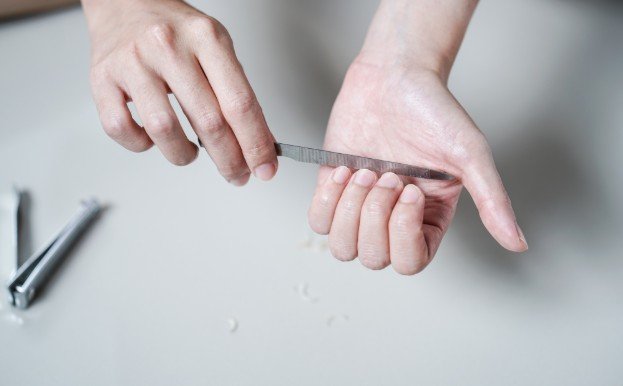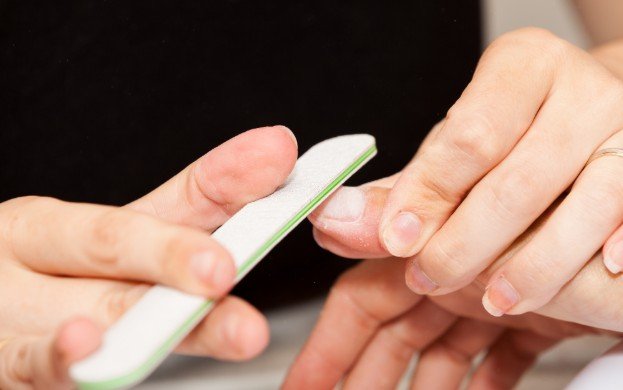
I find a nail that catches on clothing more frustrating than a clean break. The edge looks almost normal until a thin layer lifts, leaving a rough patch that keeps snagging. When explaining why your fingernails peel at the tips, I start with everyday exposure rather than assuming a missing vitamin.
Water, cleaning products, manicure damage, and repeated pressure can weaken the layers. Understanding that pattern helps you protect new growth without making the existing damage worse.
What Peeling at the Tips Actually Means
Your nail plate consists of layers of keratin. When those layers separate horizontally at the free edge, thin sheets can flake away. This pattern is called onychoschizia.
It differs from a lengthwise crack, peeling skin around the fingertips, or a nail lifting away from its bed. These changes can have different causes and should not automatically receive the same treatment.
The free edge is exposed to everyday contact and has no nail bed underneath supporting it. Once damaged, it can snag and peel further.
Everyday Reasons Your Nail Edges Keep Splitting
Repeated Wetting and Drying
Nails absorb water and expand, then shrink as they dry. Repeated cycles can contribute to splitting, particularly when combined with detergents or physical stress.
Dishwashing, cleaning, and frequent wet work are common triggers. Keep necessary handwashing in your routine, but dry your hands thoroughly and moisturize afterward. Protective gloves help during household chores.
Cleaning Products and Polish Removers
Detergents, solvents, and frequent polish removal can leave nails dry and vulnerable. The problem often involves repeated exposure rather than one particular product.
Avoid soaking your entire fingertips unnecessarily in remover. Follow removal instructions, limit skin contact, and moisturize afterward. Switching products alone may not solve peeling if the same damaging routine continues.
Gel, Acrylic, and Press-On Removal
Picking off polish or pulling away nail enhancements can remove superficial nail layers. Heavy filing during application or removal can also thin the plate.
If peeling follows a manicure, give damaged nails a break from enhancements. Use the appropriate removal method instead of forcing products off, and avoid covering fragile nails simply to hide the damage.
Buffing, Biting, and Using Nails as Tools
Buffing away every uneven patch can make an already thin nail weaker. Biting, picking, opening packaging, and scraping labels can also stress the free edge.
Keep nails temporarily shorter and gently smooth snags with a fine file. Avoid filing deeply into the sides or repeatedly thinning the surface. Use an actual tool when a task requires lifting or scraping.
Could a Health Condition Be Involved?
External damage explains many cases, which is why it helps to care for your nails after removing gel polish and watch for improvement as they grow. However, persistent nail changes sometimes accompany iron deficiency, thyroid disorders, inflammatory skin conditions, or medication effects.
Peeling alone cannot identify any of these. Fatigue, hair changes, unexplained weight changes, or an ongoing rash provide additional information to discuss with a clinician. Do not stop prescribed medication because your nails change.
Fungal infection is another possibility, especially when discoloration, thickening, crumbling, or separation accompanies the problem. A damaged-looking nail does not automatically mean fungus; examination and testing may be needed before treatment.
Aging can also contribute to brittle nails. Comparing fingernails and toenails may offer useful clues, but it cannot reliably distinguish external damage from an underlying condition.
How to Protect Nails While They Grow
Apply a plain moisturizer or petroleum jelly to your nails and surrounding skin after washing and before bed. Cuticle oil may help maintain flexibility, but it cannot permanently reconnect separated layers.
Wear suitable gloves for cleaning and dishwashing. Remove them when finished and dry your hands if the inside becomes damp. Keeping hands sweaty inside gloves for long periods defeats the purpose.
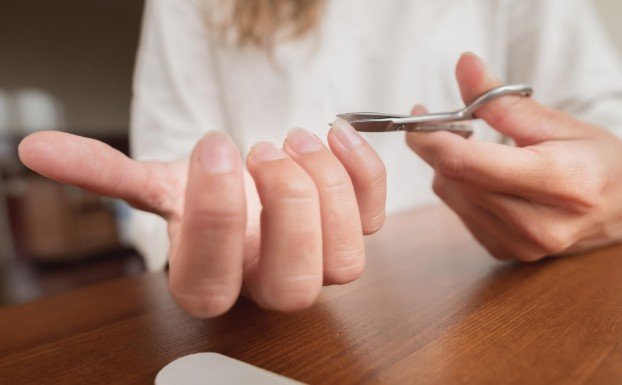
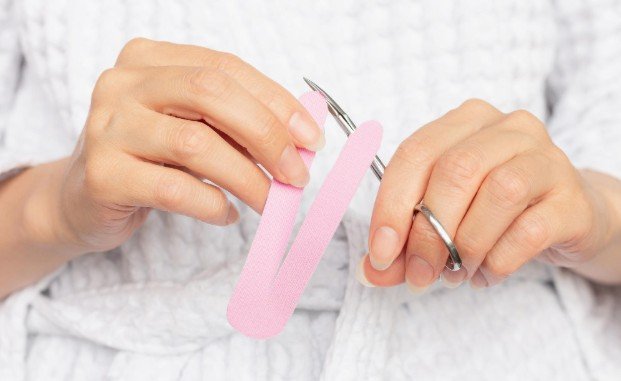
Leave cuticles intact because they help protect the nail area. Resist pulling loose nail layers, and trim only the free edge without cutting into attached tissue.
Maintain a varied diet with adequate protein and iron-containing foods. Avoid starting iron or high-dose biotin supplements solely because your nails peel. Evidence for biotin is limited, and it can interfere with blood tests.
When to Get Your Nails Checked
Arrange an assessment if peeling persists despite gentler care, affects several nails suddenly, or occurs alongside other symptoms.
Pain, swelling, redness, discharge, or nail lifting also warrant attention. Seek prompt care for severe pain or bleeding, and have a new or changing dark streak examined.
Frequently Asked Questions
1. Can Vitamin Deficiency Explain why your fingernails peel at the tips?
Sometimes, but peeling is not a diagnostic test for deficiency. External damage is common. A clinician can decide whether symptoms, dietary history, or other findings justify blood testing.
2. Does Cuticle Oil Stop Peeling Immediately?
No. Oil can reduce dryness and improve flexibility, but separated layers must gradually grow out. Consistent protection matters more than repeatedly applying a product while continuing damaging habits.
3. Should I Buff Off the Peeling Layers?
Avoid aggressive buffing. It removes nail material and can increase fragility. Gently manage a snagging free edge while leaving the nail surface alone.
4. How Long Does Improvement Take?
Expect gradual improvement rather than an overnight repair. Fingernails take several months to replace fully, so healthier growth needs time to reach the tips.
My Take on Stronger Nail Edges
I would focus first on reducing wet work, stopping picking, and protecting the nail edges. These changes address common triggers without relying on supplement promises. Keep the routine simple and watch for healthier growth. If peeling continues or other changes appear, I would seek an assessment rather than keep experimenting.