Rough heels can make an extra minute of scrubbing feel tempting. My approach to foot care is to aim for comfortable skin rather than chase a perfectly polished finish. Understanding how to use a pumice stone without overdoing it starts with a simple rule: soften thickened skin, use gentle pressure, and stop before irritation develops.
A pumice stone can gradually reduce surface buildup, but it should never leave your feet burning or painful. Moisturizing and reducing shoe friction matter just as much as exfoliation.
Understand What You Are Removing
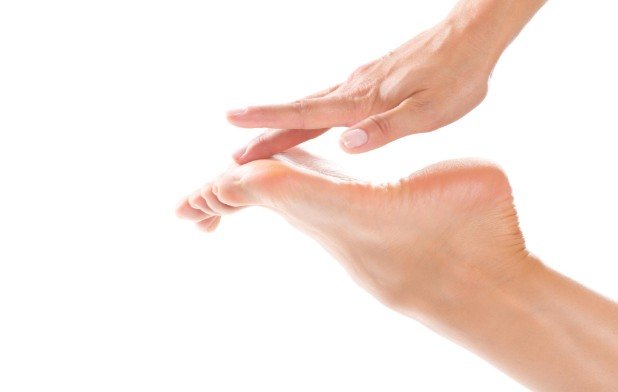
Calluses form when repeated pressure or friction causes skin to thicken. They often develop around heels, beneath the forefoot, or where shoes rub. Some thickening protects the tissue underneath, so removing every trace is unnecessary.
Pumice works through abrasion. It wears away surface skin rather than distinguishing automatically between unwanted buildup and healthy tissue. That makes pressure and restraint essential. Focus on uncomplicated thickened patches rather than scrubbing your entire foot.
Soften Your Feet Before Starting
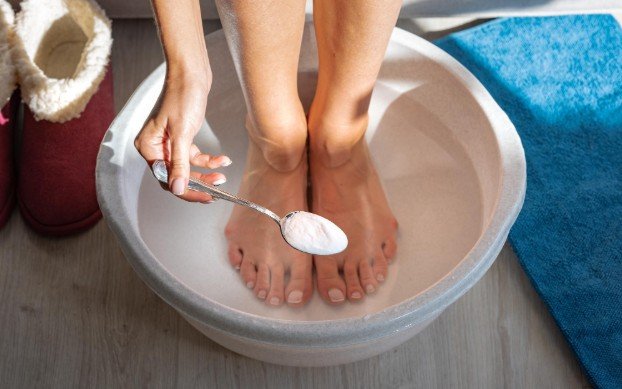
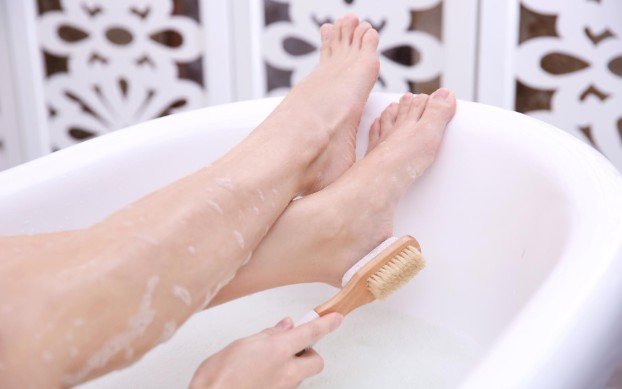
Soak the affected area in comfortably warm water for approximately five to ten minutes, or work after a shower when the skin has softened. Avoid hot water, which can aggravate dryness.
The skin should feel pliable rather than swollen or excessively wrinkled. Longer soaking does not necessarily make filing safer. A simple soak is enough; essential oils and elaborate mixtures are unnecessary and may irritate sensitive skin.
Before starting, inspect your feet in good light. Skip areas with cuts, bleeding cracks, inflammation, or unexplained pain.
Wet the Stone Too
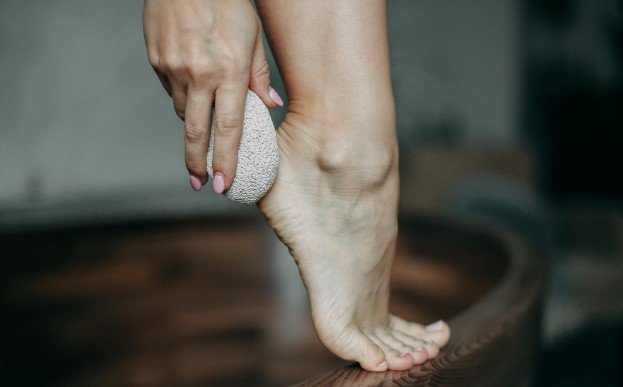
Thoroughly wet a clean, skin-care pumice stone before bringing it into contact with your foot. Rewet and rinse it as needed while working. After exfoliating, moisturize your feet without making them slippery by applying a small amount of cream and allowing it to absorb before walking.
Choose a stone with a comfortable grip and an even surface. A household cleaning stone should never double as a foot-care tool. Keep your personal stone separate from bathroom cleaning supplies.
Use Light Pressure and Check Frequently
Move the wet stone gently over a thickened patch using small circular or sideways strokes. Begin with a few light passes, then rinse the area and check it.
You should feel mild friction, not pain. Avoid pressing harder because progress seems slow. Thick buildup may need gradual care across several sessions rather than aggressive removal in one sitting.
Published instructions sometimes suggest one to three minutes, but that is not a target you must complete. A small patch may need much less. Stop once the surface feels somewhat smoother, even if some thickening remains.
Recognize the Signs to Stop
Tenderness, burning, stinging, redness, or a raw feeling mean you should stop immediately. Bleeding is an injury, not evidence of successful exfoliation.
Color changes can be harder to recognize on some skin tones, so pay attention to discomfort and texture as well. Skin that feels unusually sensitive when you stand or put on socks may have been overworked.
If irritation develops, pause pumice use and other exfoliation. Gently wash the area and use a bland moisturizer on intact skin. Seek medical advice for broken skin that worsens, spreading redness, warmth, swelling, drainage, or persistent pain.
Let Your Skin Guide the Frequency
There is no single schedule that suits every foot. For uncomplicated roughness, a brief weekly session is a cautious starting approach, rather than a requirement.
If your feet remain smooth and comfortable, skip the next session. If they become sore or increasingly dry, pause until the skin recovers. Daily moisturizing can continue between sessions.
Do not combine vigorous filing with exfoliating foot peels or strong callus removers. Layering treatments can increase irritation, particularly when surrounding healthy skin is exposed.
Moisturize and Reduce Everyday Friction
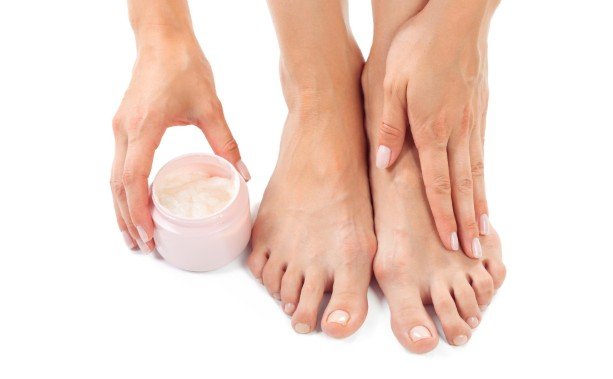
After filing, rinse your feet, pat them dry, and apply a fragrance-free cream to dry areas. Petroleum jelly can help seal in moisture. Urea-containing foot creams may soften thickened skin, but follow the label and avoid applying irritating products to broken skin.
Comfortable socks can help keep moisturizer from transferring onto bedding. Dry carefully between your toes and avoid leaving those spaces coated with heavy cream.
Check your everyday footwear too. Tight toe boxes, slipping heels, and repeated rubbing can keep calluses returning. Well-fitting shoes and appropriate cushioning reduce the pressure that contributes to buildup.
Clean Your Stone and Know When to Skip It
Wash away debris after each use according to the manufacturer’s instructions, then let the stone dry completely in an airy place. Do not share it or store it in standing water. Replace it when it crumbles, becomes ineffective, or cannot be cleaned properly.
People with diabetes, poor circulation, reduced sensation, fragile skin, or increased infection risk should seek professional guidance before treating calluses. Persistent painful patches or deep heel cracks also deserve assessment.
Frequently Asked Questions
1. What is the key to how to use a pumice stone without overdoing it?
Use a wet stone on softened, thickened skin. Make gentle passes, check frequently, and stop before tenderness develops.
2. Should I remove a callus completely?
No. Reduce excess roughness gradually while preserving comfortable, protective skin.
3. Can I use pumice on cracked heels?
Avoid open, bleeding, painful, or inflamed cracks. Deep cracks need appropriate care rather than additional scrubbing.
A Gentler Finish
For me, how to use a pumice stone without overdoing it comes down to patience and paying attention to how the skin feels. I would rather leave a little roughness for another day than keep scrubbing until walking becomes uncomfortable. A successful session should leave your feet feeling comfortable, with no burning, tenderness, or raw patches.
My preferred approach is to check the skin first, soften it, make a few gentle passes where needed, and stop early. Persistent pain, deep cracks, or recurring thick patches deserve professional attention rather than more pressure. Smoother feet should come from consistent, gentle care—not from trying to remove everything at once.