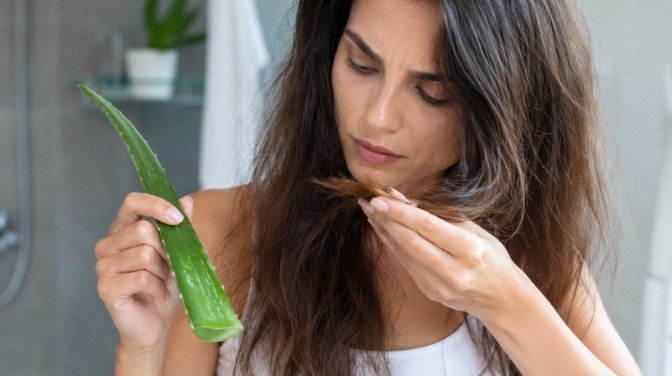
A damaged skin barrier can turn an easy makeup routine into a frustrating one. Foundation may separate, concealer can catch on dry patches, and products that once felt comfortable may suddenly sting or look heavy.
When I deal with makeup for a damaged skin barrier, I do not try to cover every sign of irritation. I focus first on keeping the skin calm, hydrated, and protected, then use as little makeup as possible to create an even, natural-looking finish.
That usually means changing everything from the cleanser I use before makeup to the way I apply foundation and remove it at night. With a gentler routine, it is possible to wear makeup more comfortably while the skin barrier recovers.
How Do I Know If My Skin Barrier Is Damaged?
The skin barrier is the outermost protective layer of the skin. When it becomes disrupted, skin can lose moisture more easily and become more vulnerable to irritation.
I watch for a combination of tightness, unusual sensitivity, redness, roughness, itching, flaking, or burning when I apply products that normally feel comfortable. Foundation may suddenly separate or settle into dry patches.
These symptoms can overlap with conditions such as eczema or contact dermatitis, so I do not assume every dry patch is simply a damaged barrier. If my skin becomes severely swollen, cracked, blistered, weeping, or persistently painful, I stop experimenting with cosmetics and seek professional advice.
What Is the Best Skin Prep Before Makeup on a Damaged Barrier?
Good makeup starts with what happens before foundation. When my skin feels compromised, I simplify my routine rather than stacking multiple active products.
Skip Harsh Cleansers and Exfoliating Actives
I start with lukewarm water and a mild, non-foaming or creamy cleanser that does not leave my face feeling tight. This is not the time I reach for aggressive scrubs or layer several exfoliating acids underneath foundation.
The American Academy of Dermatology recommends gentle skin care, fragrance-free products, and regular moisturizing for eczema-prone, easily irritated skin.
Layer Hydration Without Overloading the Skin
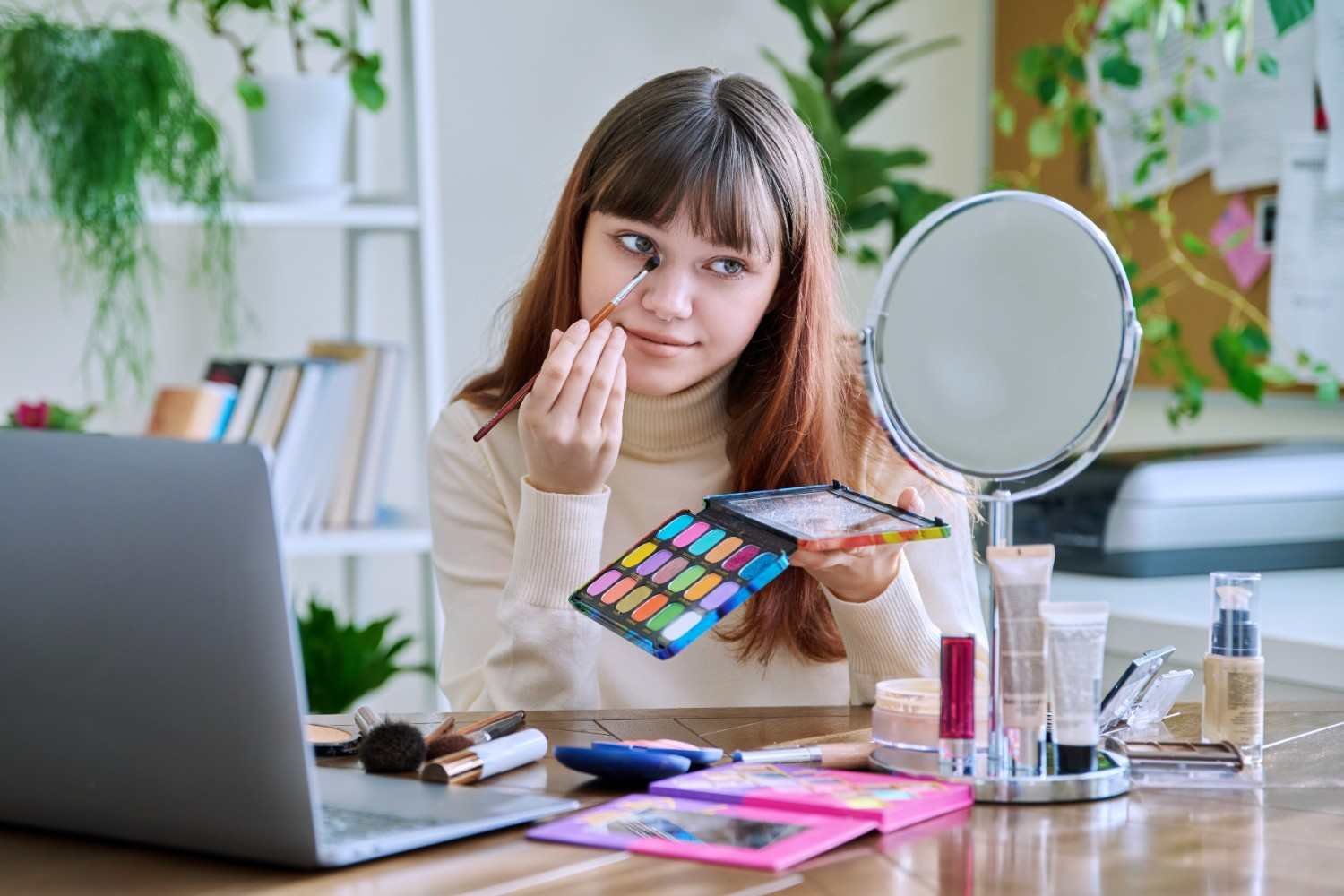
If my skin tolerates serum, I choose a simple hydrating or barrier-supportive formula. Ceramides help support the skin’s barrier lipids, while humectants such as hyaluronic acid and glycerin help attract water. Some formulas also contain centella asiatica, commonly called cica, for a soothing-focused skincare routine.
I may also see niacinamide, peptides, or squalane in barrier-oriented products, but I do not assume every popular ingredient will suit irritated skin. When my face is highly reactive, simpler is often better.
Seal Everything With Moisturizer
Next, I apply a fragrance-free cream or ointment-style moisturizer that my skin already tolerates. Dermatologists generally favor creams and ointments over lighter lotions for very dry eczema-prone skin because they provide stronger moisturization.
I usually give my skincare about five to ten minutes to settle before applying makeup. This can also reduce the chance of foundation mixing with wet skincare and pilling.
During the day, I finish skincare with a broad-spectrum sunscreen that I know works for my skin.
What Foundation Works Best on Dry, Irritated Skin?
I usually put heavy matte foundation aside while my skin recovers. Ultra-matte or long-wear formulas can make existing dryness and flakes appear more obvious, even if they work beautifully when my skin is healthy.
Instead, I look for lightweight liquid foundation, skin tint, tinted moisturizer, or another flexible hydrating formula. A natural, satin, or softly dewy finish generally creates a more forgiving appearance on uneven texture.
Healthline’s medically reviewed guidance for eczema-prone skin similarly emphasizes thin makeup layers, sensitive-skin-friendly formulas, and ingredients such as hyaluronic acid and ceramides.
I also prefer fragrance-free makeup when fragrance is a known trigger for me. “Fragrance-free” does not guarantee that a product cannot irritate skin, however, so I still introduce unfamiliar formulas cautiously.
Should I Use Concealer Instead of Full-Coverage Foundation?
Often, yes.
If redness or blemishes only affect a few places, I would rather spot conceal those areas than cover my entire face with another thick coat of foundation.
I choose a creamy concealer and tap a small amount where I actually need coverage. This keeps the overall makeup layer lighter and reduces the amount of product I will eventually have to remove.
That strategy is especially useful when applying makeup for a damaged skin barrier because less product usually means less blending and less cleansing later.
Should I Use a Brush or Sponge on a Compromised Skin Barrier?
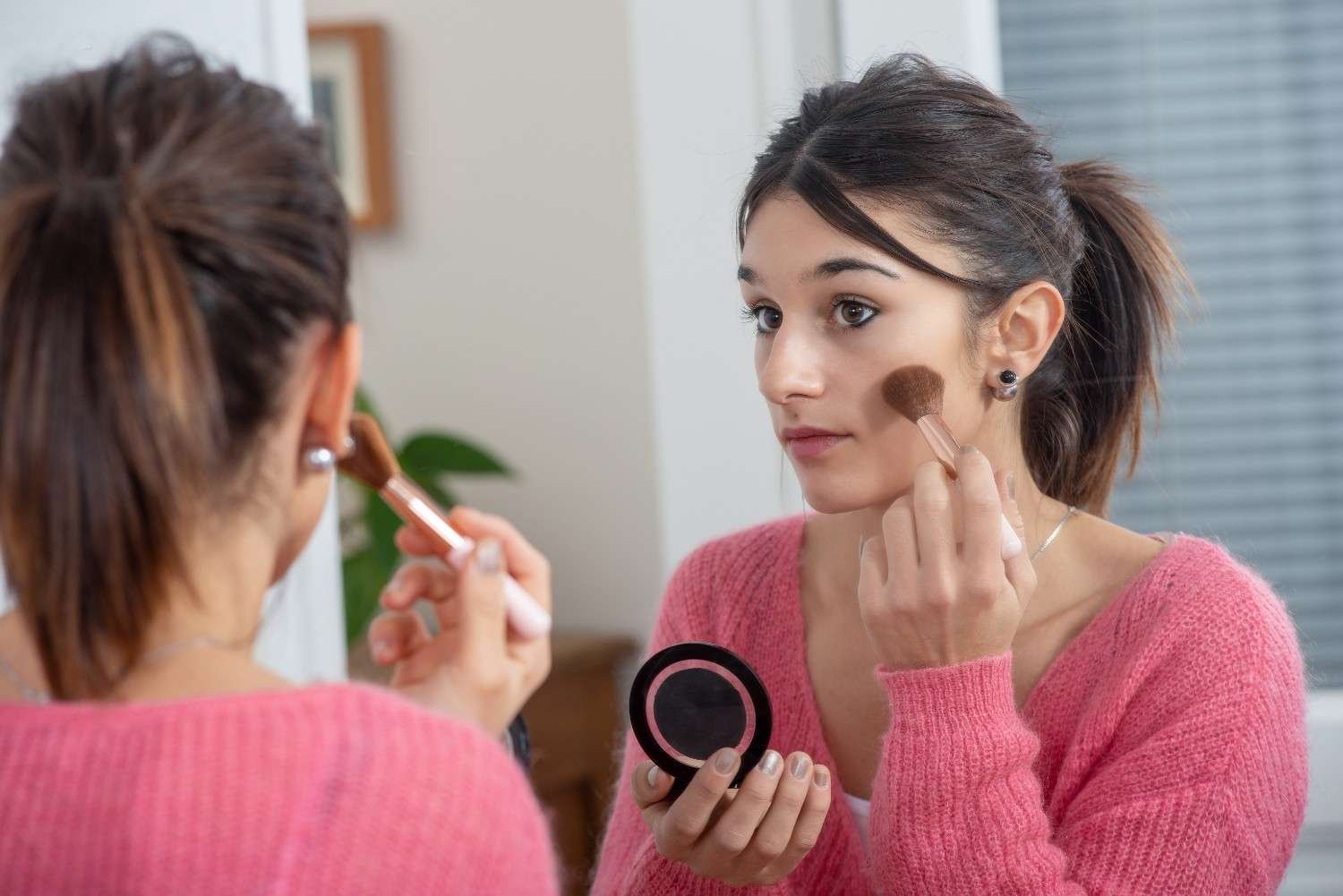
Friction matters more than the tool itself.
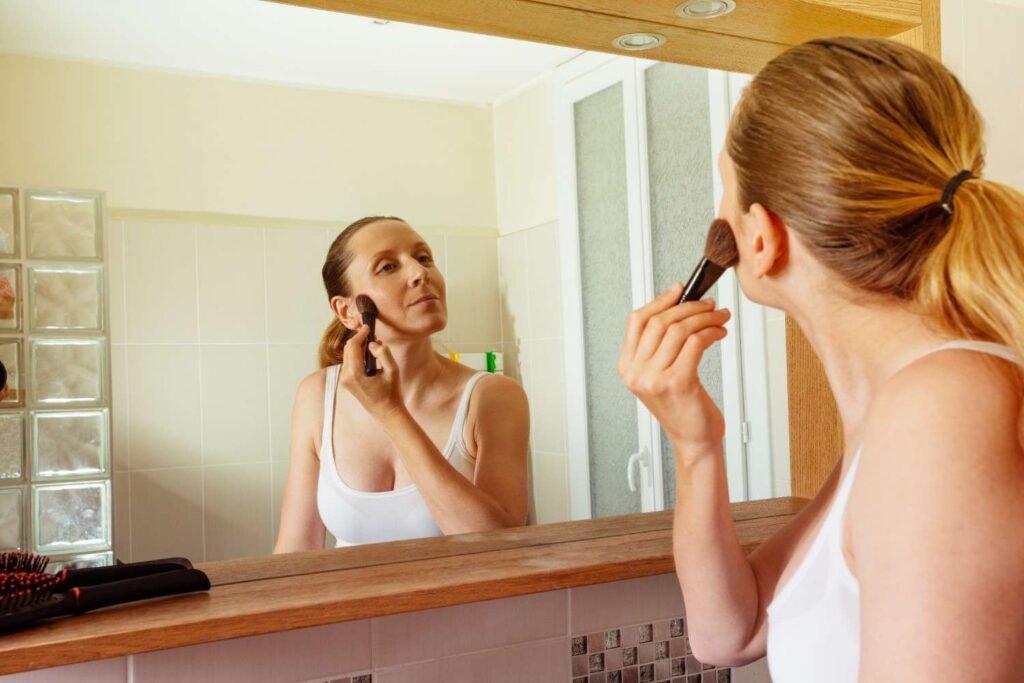
Rather than saying all makeup brushes are harmful, I avoid aggressive buffing with stiff or dense bristles. Allure’s dermatologist and makeup artist guidance similarly emphasizes gentle techniques when applying makeup to eczema-prone skin.
My favorite method is to press foundation onto the skin using clean fingers or a clean, slightly damp makeup sponge. I tap rather than rub.
Pressing can help avoid disturbing visible flakes, while repeated circular buffing may make texture look more noticeable.
Clean tools are important too. I do not want old makeup residue collecting on a sponge or brush that I am repeatedly pressing against already-sensitive skin.
Should I Avoid Setting Powder on Dry, Flaky Skin?
I drastically reduce powder rather than automatically banning it.
Setting powder can catch on peeling areas and make dehydration more visible. If my cheeks are dry, I usually leave them alone and accept a slightly more luminous finish.
If my T-zone becomes oily, I may press a very small amount of translucent powder only where I need it. The same principle applies to blush and bronzer: creamy formulas can sometimes look more seamless than multiple layers of powder on flaky skin.
Which Makeup Ingredients Should I Avoid While My Barrier Heals?
I avoid products that I already know trigger burning, itching, or redness.
Fragrance deserves particular attention for sensitive and eczema-prone skin. The American Academy of Dermatology recommends choosing products labeled “fragrance-free” rather than simply “unscented,” since unscented products can still contain fragrance ingredients used to mask odor.
I also simplify strong skincare actives underneath makeup. If over-exfoliation contributed to my irritation, continuing to stack acids, scrubs, retinoids, and other powerful treatments is unlikely to make my face more comfortable.
I do not automatically blacklist silicones, preservatives, alcohols, or botanical ingredients based only on their names. Finished cosmetic formulas matter, and individual tolerance varies.
How Do I Remove Makeup Without Irritating My Skin?
Removal is one of the easiest places to accidentally add unnecessary friction.
I skip aggressive scrubbing and rough makeup wipes. Instead, I prefer a cleansing balm, gentle emulsifying cleansing oil, or another makeup remover that dissolves complexion products without requiring repeated rubbing.
If necessary, I follow with a gentle cleanser, rinse with lukewarm water, and pat my face dry instead of dragging a towel across it.
Then I apply a hydrating moisturizer promptly.
When Should I Stop Wearing Makeup Completely?
If my skin is only mildly dry or sensitive, simplifying my routine may be enough. But I do not push through significant pain for the sake of makeup. Even when I am choosing non comedogenic makeup for acne prone skin, I still pay attention to irritation, inflammation, and how my skin feels before applying anything.
Healthline notes that makeup is generally best avoided during active eczema flare-ups.
I would also skip cosmetics over skin that is bleeding, weeping, blistered, severely inflamed, significantly swollen, or intensely painful. Persistent or unexplained symptoms deserve evaluation by a dermatologist.
FAQs About Wearing Makeup on Barrier-Damaged Skin
1. Why does my foundation suddenly sting?
A newly compromised or irritated skin barrier can make skin more reactive to products you previously tolerated. If foundation suddenly causes significant burning, I remove it gently rather than trying to cover the sensation with more products.
2. Is skin tint better than foundation for irritated skin?
It can be. Skin tints usually provide lighter coverage and may require less blending, which makes them convenient when I want a minimal routine. The individual formula and how my skin tolerates it still matter most.
3. Can I put moisturizer under foundation?
Yes. In fact, adequate moisturizing is one of the most important steps when skin feels dry or compromised. I allow moisturizer to settle before applying foundation so the layers are less likely to slide or pill.
4. How long does a damaged skin barrier take to heal?
There is no universal timeline. I watch for practical signs of improvement instead: less tightness, less flaking, reduced sensitivity, and skincare that no longer stings. Persistent or worsening irritation needs professional evaluation.
Final Thoughts
When my barrier is struggling, I resist the temptation to hide every patch of redness with another layer of foundation. Comfortable skin comes first.
The routine that works best for me is intentionally simple: gentle cleansing, hydration, moisturizer, sunscreen, lightweight coverage, selective concealer, minimal powder, low-friction application, and careful removal.
Ultimately, successful makeup for a damaged skin barrier is less about finding one miracle foundation and more about reducing everything that makes sensitive skin work harder. A lighter hand can improve how makeup looks today while giving irritated skin room to recover.