Most people have a skincare routine for their face. They cleanse, moisturize, apply sunscreen, and sometimes invest in targeted treatments. Yet their hands, which work just as hard every day, often receive little attention until they become dry, rough, or visibly aged.
Dermatologists frequently point out that your hands are among the most exposed parts of your body. Between hand washing, sanitizer use, weather changes, household chores, and daily sun exposure, they endure constant stress. That’s why everyday hand care isn’t just about appearance—it’s about protecting skin health, maintaining comfort, and preserving the skin barrier over time.
Why Hands Need More Attention Than Most People Give Them

Unlike many other areas of the body, your hands are almost always exposed to the environment. They come into contact with water, cleaning products, surfaces, and UV rays throughout the day. Over time, this repeated exposure can weaken the skin barrier and accelerate visible signs of aging.
The skin on the backs of your hands is thinner than many people realize. It contains less natural oil production than your face, making it more vulnerable to dryness and moisture loss. As collagen naturally decreases with age, hands can begin showing fine lines, discoloration, and a loss of firmness sooner than expected.
How Hands Age Faster Than Expected
Many people notice sunspots on their hands before they notice them elsewhere. That’s because hands receive years of cumulative UV exposure, often without sunscreen protection.
Daily driving, outdoor activities, and even sitting near windows can contribute to photoaging. Combined with frequent washing and environmental stress, it’s no surprise that dermatologists recommend treating your hands with the same level of care as your facial skin.
The Hidden Impact of Daily Habits on Hand Skin
Small habits can have a surprisingly large effect on skin hydration and barrier function.
Frequent Washing and Sanitizers
Hand washing is essential for hygiene, but overdoing it or using harsh cleansers can strip away natural oils. This can leave skin feeling tight, irritated, and more susceptible to cracking.
Dermatologists often recommend gentle, fragrance-free cleansers instead of heavily scented or antibacterial soaps. While antibacterial products may seem beneficial, they can sometimes increase the risk of skin irritation, especially for those with sensitive skin.
Why Hot Water Can Make Things Worse
A steaming hot wash may feel relaxing, but it can quickly remove protective oils from the skin.
Using lukewarm water helps preserve moisture while still effectively cleaning your hands. Experts also suggest focusing soap mainly on the palms, where the skin is thicker and more resilient, while being gentler on the thinner skin covering the backs of your hands.
After washing, pat your hands dry rather than rubbing aggressively with a towel. This simple change helps minimize irritation and moisture loss.
What Dermatologists Prioritize in Everyday Hand Care
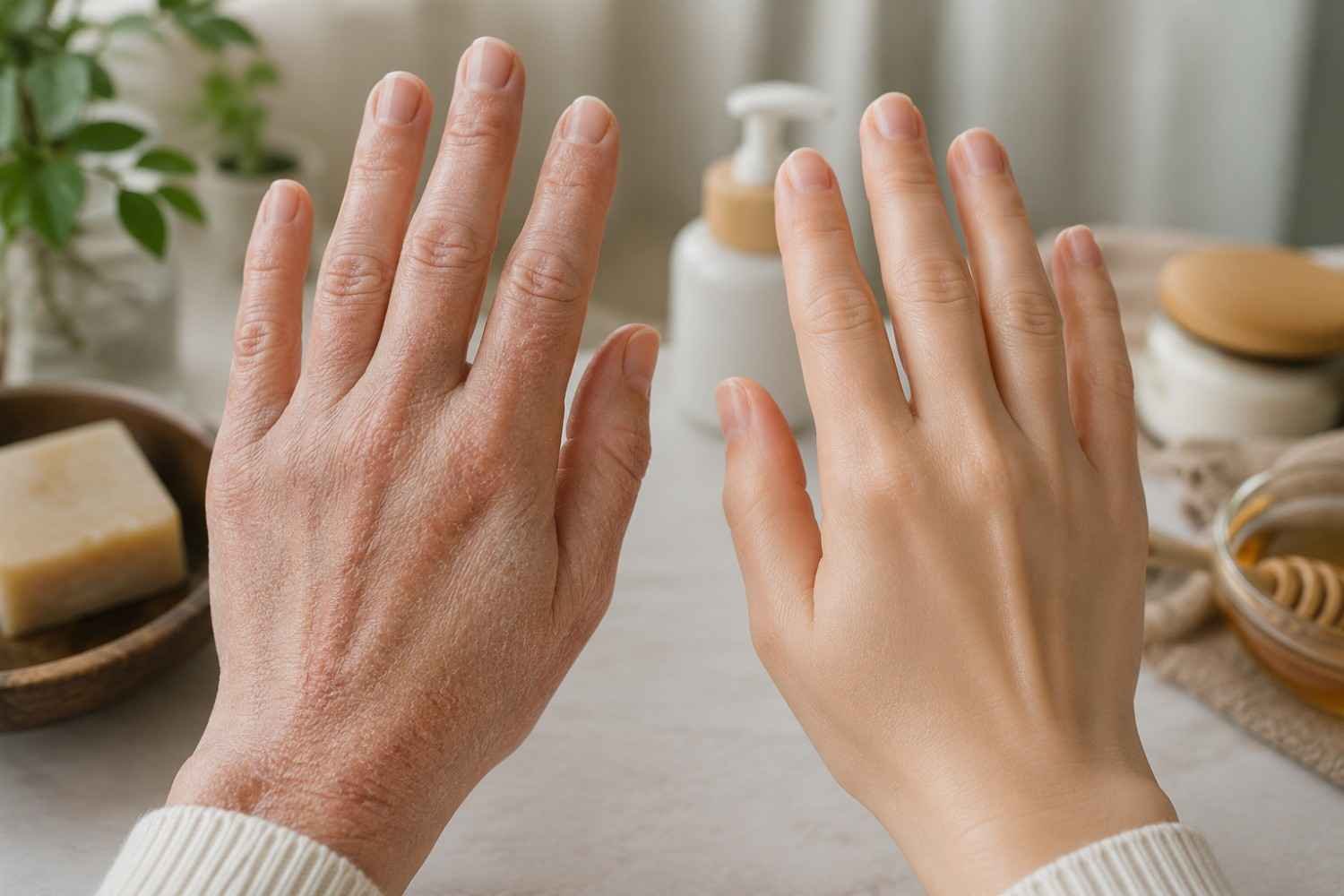
When it comes to healthy hands, dermatologists focus less on trendy products and more on consistent habits.
Protect the Skin Barrier
Your skin barrier acts as a protective shield against moisture loss and environmental irritants. Once that barrier becomes compromised, dryness, redness, and sensitivity often follow.
Supporting the barrier starts with avoiding harsh products and choosing moisturizing ingredients that reinforce skin health. Ceramides, glycerin, hyaluronic acid, and shea butter are commonly recommended because they help improve moisture retention and strengthen the skin’s protective layer.
Moisturize at the Right Times
One of the most effective habits in everyday hand care is applying moisturizer immediately after washing.
Many dermatologists follow what is often called the “three-minute rule.” After drying your hands, apply a rich hand cream within three minutes to help trap moisture before it evaporates.
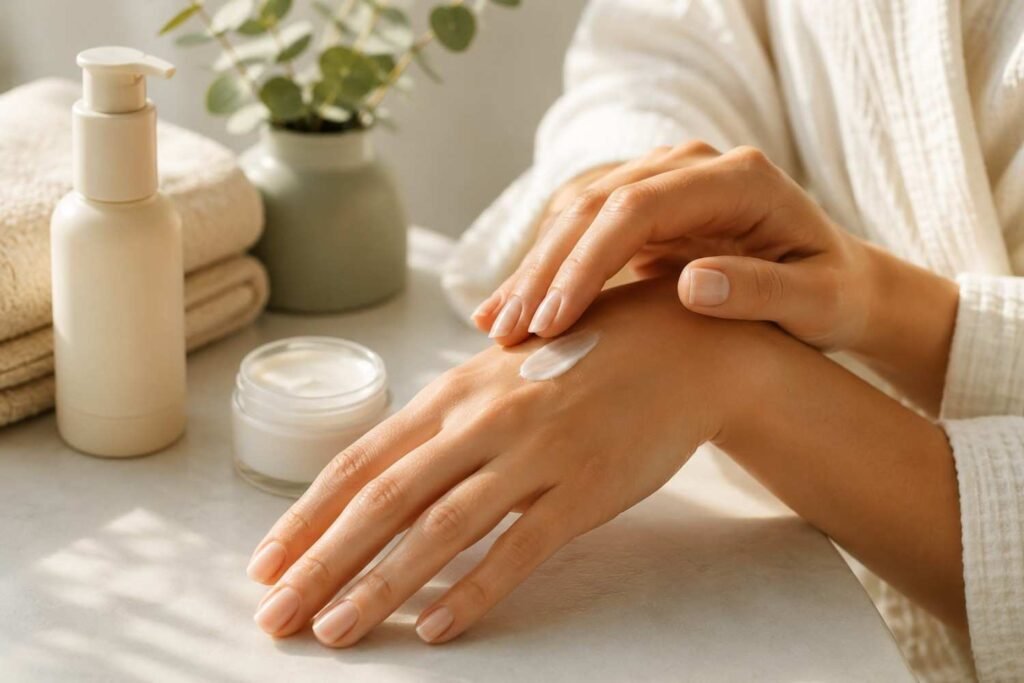
Creams and ointments generally perform better than lightweight lotions because they create a stronger protective seal on the skin. Don’t forget the fingertips, cuticles, and backs of the hands, which are often the first areas to show dryness.
Choose Ingredients Over Marketing Claims
Expensive products aren’t always better.
When selecting a hand moisturizer, pay attention to ingredient lists rather than packaging claims. Products containing barrier-supporting ingredients often deliver more noticeable results than those focused primarily on fragrance or cosmetic appeal.
For people dealing with chronic dryness, thicker creams designed for sensitive skin may provide longer-lasting hydration throughout the day.
A Simple Everyday Hand Care Routine That Fits Real Life
A consistent routine doesn’t need to be complicated.
Morning
Start by applying a hand cream after your morning wash. Follow with a broad-spectrum SPF on the backs of your hands. This step helps reduce UV-related skin damage and supports long-term skin health.
Throughout the Day
Reapply moisturizer after washing your hands whenever possible. If you spend long hours in air-conditioned environments, you may need additional hydration throughout the day.
This is also a good time to think about hand protection. Whether you’re cleaning, gardening, or washing dishes, wearing gloves can significantly reduce moisture loss and irritation. Many dermatologists consider one of the simplest ways to maintain healthy hands is to avoid adding extra products to your routine.
Before Bed
Nighttime is when skin naturally shifts into repair mode.
Apply a generous layer of hand cream before sleeping. If your hands are especially dry, consider a technique known as hand slugging. This involves applying moisturizer, sealing it with a thin layer of petroleum jelly, and wearing breathable cotton gloves overnight.
Many dermatologists also recommend gentle retinol or retinoid products for those concerned about visible signs of aging. These ingredients may help improve skin texture, support collagen production, and reduce the appearance of sunspots over time.
Frequently Asked Questions: What Dermatologists Want You to Know About Everyday Hand Care
1. What is the most important step in everyday hand care?
Consistent moisturizing after hand washing is often considered the most important habit because it helps maintain the skin barrier and prevent moisture loss.
2. How often should I apply hand cream?
Most dermatologists recommend applying hand cream after every wash and whenever your hands begin feeling dry.
3. Do hands really need sunscreen every day?
Yes. Hands receive significant UV exposure throughout the day, even indoors near windows or while driving, making daily SPF an important preventive measure.
4. What ingredients should I look for in a hand moisturizer?
Look for ceramides, glycerin, hyaluronic acid, shea butter, and other ingredients that support hydration and barrier repair.
Why Healthy Hands Reflect Daily Consistency
The best hand care routines are rarely the most complicated. They rely on simple habits repeated consistently—washing gently, moisturizing regularly, protecting against UV exposure, and supporting the skin barrier before problems develop. Over time, these small actions can help preserve skin hydration, improve comfort, and reduce many of the visible signs of wear that people often associate with aging.
Healthy hands are usually the result of what you do every day, not what you do occasionally. A few thoughtful habits can make a noticeable difference for years to come.