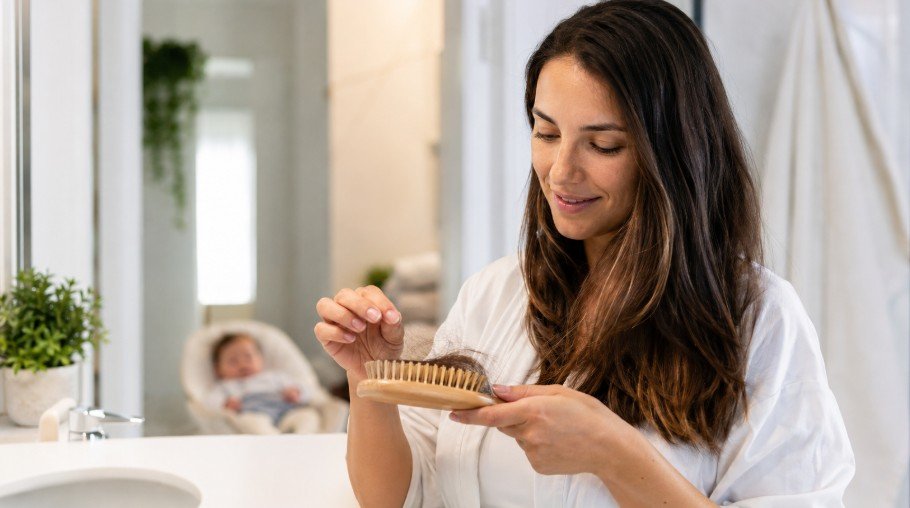
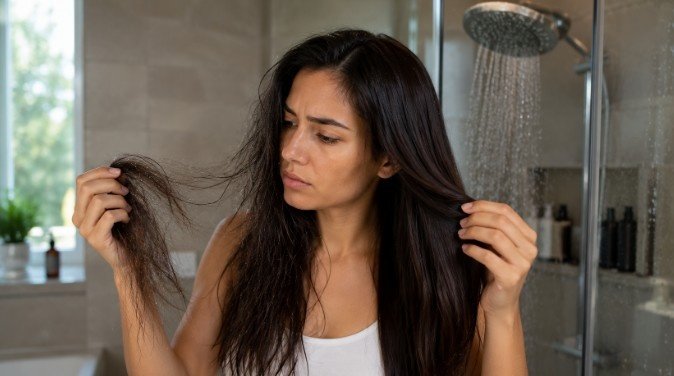
Wash day used to feel like a guessing game. Some days hair looked smooth, while on others it felt rough, tangled, and impossible to style. The surprise culprit was not the shampoo or conditioner. It was the water. Learning the right approach to hair care with hard water can help reduce dryness, dullness, and mineral buildup while bringing back softness and shine.
Key Takeaways
- Hard water leaves mineral deposits that can make hair dry, dull, and difficult to manage.
- Chelating shampoos help remove deep mineral buildup more effectively than regular shampoos.
- Deep conditioning and acidic rinses restore moisture and improve hair texture.
- Shower filters can help reduce exposure to minerals and other impurities.
- A consistent hair care with hard water routine can improve hair health over time.
What Exactly Is Hard Water?
Understanding the source of the problem makes it easier to find the right solution.
Mineral-Rich Water
Hard water contains higher levels of minerals such as calcium and magnesium. These minerals are naturally present in groundwater and often make their way into household water supplies.
As water flows through pipes and onto your hair, these minerals can cling to the hair shaft. Over time, they create a stubborn layer that regular shampoo may struggle to remove.
Why Hair Reacts Differently
Unlike soft water, hard water does not allow cleansing products to rinse away as easily. This can leave residue on both the scalp and hair. As mineral buildup increases, hair may start feeling rough, heavy, and less responsive to your usual hair care products.
Signs Hard Water Is Affecting Your Hair
The symptoms often appear gradually, making them easy to overlook.
Dryness That Won’t Go Away
Even after using moisturizing shampoos and conditioners, hair may still feel dry. This happens because mineral deposits block moisture from entering the hair shaft properly. The result is hair that lacks softness and feels dehydrated despite your efforts.
Frizz And Tangles
Hard water can roughen the outer layer of the hair cuticle. Once the cuticle becomes uneven, strands are more likely to tangle and develop frizz. This is especially noticeable in curly hair care routine, wavy and textured hair types.
Dullness And Color Fade
Mineral buildup can prevent hair from reflecting light effectively. Hair may lose its natural shine and appear lifeless. For color-treated hair, hard water can also cause color to fade faster than expected.
How Hard Water Changes Hair Health
The effects go beyond appearance and can impact overall hair condition.
Moisture Loss
When minerals coat the hair strand, hydration struggles to penetrate deeply. This often leads to dryness and reduced elasticity. Hair that lacks elasticity becomes more vulnerable to breakage during styling and brushing.
Increased Breakage
Hard water does not directly cause permanent hair loss, but it can make strands weaker over time. As hair becomes more brittle, breakage increases and hair may appear thinner than it actually is.
Scalp Challenges
Mineral residue can accumulate on the scalp and contribute to irritation. Some people notice itchiness, flakes, or a tight feeling after washing. A healthy scalp environment is important for maintaining healthy-looking hair.
Hard Water Vs Soft Water
A quick comparison helps explain why hair behaves differently in different locations.
Mineral Levels
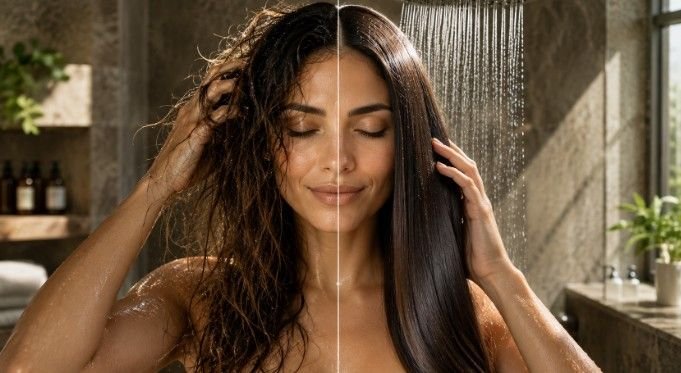
Hard water contains significantly more calcium and magnesium than soft water. These minerals are responsible for buildup on hair and scalp. Soft water contains fewer dissolved minerals, allowing products to work more effectively.
Product Performance
Shampoos, conditioners, and hair masks tend to rinse more cleanly in soft water. In hard water, products may leave behind residue that contributes to a weighed-down feeling.
Hair Appearance
Hair washed with soft water often feels smoother and looks shinier. Hard water can leave hair looking dull and feeling rough. This difference becomes more noticeable over time as mineral deposits continue to build.
Test Your Water Like A Pro
Before changing your routine, it helps to confirm whether hard water is the issue.
Use A Water Hardness Test
Simple water hardness strips are available online and provide quick results at home. These tests can help determine how severe the mineral content is in your water supply.
Check Local Water Reports
Many municipalities publish annual water quality reports that include water hardness information. Reviewing local reports can provide valuable insight into what your hair is exposed to daily.
Look Around Your Home
White spots on glassware, soap scum in the shower, and mineral stains on faucets often indicate hard water. If these signs are present, there is a good chance your hair is dealing with the same minerals.
Hair Care With Hard Water Made Easy
A few strategic changes can make a noticeable difference.
The Heavy Lifters: Chelating Shampoos
Chelating shampoos are one of the most effective tools for hair care with hard water. Unlike regular clarifying shampoos that mainly remove oil and product residue, chelating formulas target mineral deposits deep within the hair.
Ingredients such as EDTA act like magnets that attract calcium, magnesium, iron, and other minerals. This helps strip away buildup that causes dullness and dryness.
Depending on water hardness levels, using a chelating shampoo one to three times per month is often enough to maintain healthier hair.
The Restorers: Deep Hydration And Acidic Rinses
Removing buildup is only half of the solution. Hair also needs moisture restored after minerals are removed.
A deep conditioning treatment helps replenish hydration, improve elasticity, and reduce breakage. Rich hair masks can leave strands feeling softer and more manageable after a chelating treatment.
Apple cider vinegar rinses are another useful option. Mixing one part apple cider vinegar with three parts purified water creates a gentle acidic rinse that can help smooth the cuticle and improve shine.
The Prevention Plan: Smarter Water Habits
Long-term success comes from preventing buildup before it starts.
Installing a shower filter can help reduce exposure to certain minerals and impurities. While not as powerful as a whole-home softener, many people notice improvements in hair texture after switching.
For severe hard water concerns, a final rinse with distilled water can help prevent fresh minerals from drying onto the hair.
Hair Tips For Every Hair Type
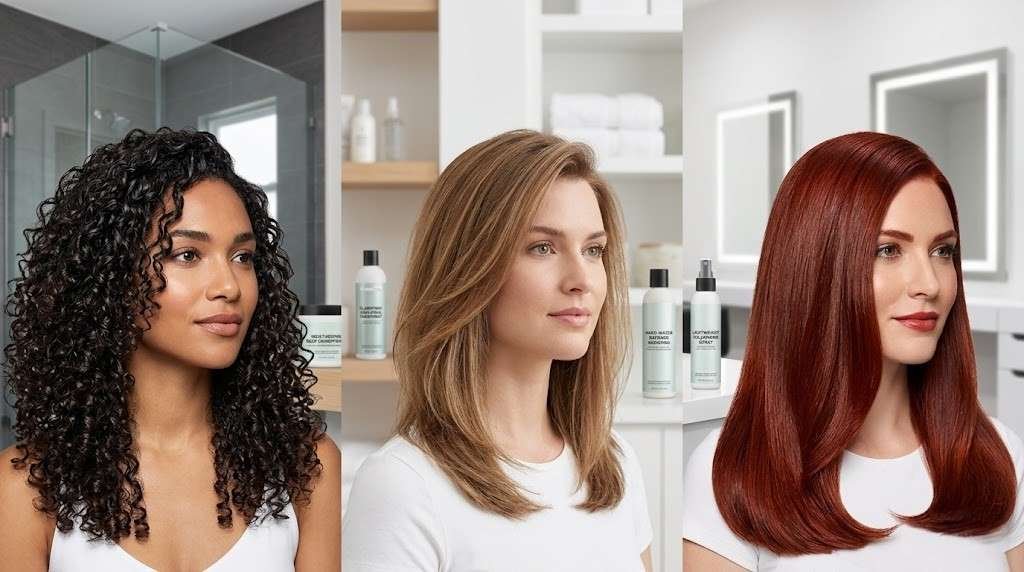
Different hair types experience hard water differently.
Curly Hair
Curly hair naturally requires more moisture. Hard water can make curls appear frizzy and undefined. Regular deep conditioning treatments help maintain hydration and improve curl formation.
Fine Hair
Fine hair often shows buildup more quickly than thicker hair textures. Lightweight cleansing and occasional chelating treatments can help maintain volume and movement.
Color-Treated Hair
Color-treated hair is especially vulnerable to mineral deposits. Removing buildup regularly can help preserve color vibrancy and maintain shine for longer.
Frequently Asked Questions
1. What should I use on my hair if I have hard water?
For effective hair care with hard water, use a chelating shampoo occasionally to remove mineral buildup, followed by a deep conditioning treatment to restore hydration and improve softness.
2. How to take care of hair with hard water?
The best hair care with hard water routine includes removing buildup regularly, using moisturizing masks, reducing heat styling, and protecting hair from continued mineral exposure.
3. How do I stop hard water from ruining my hair?
To protect your hair, combine a chelating shampoo, weekly deep conditioning treatments, and a shower filter. This approach helps reduce mineral accumulation and dryness over time.
4. Is hard water bad for seborrheic dermatitis?
Hard water may worsen irritation in some people by leaving mineral residue on the scalp. Proper cleansing and buildup removal can help support a healthier scalp environment.
Goodbye Bad Hair Days
Healthy hair is not always about buying more products. Sometimes it starts with understanding what is coming out of the showerhead. A smart hair care with hard water routine combines mineral removal, deep hydration, and prevention strategies to keep hair looking its best. With a little consistency and the right techniques, you can enjoy softer, shinier, and more manageable hair every day.