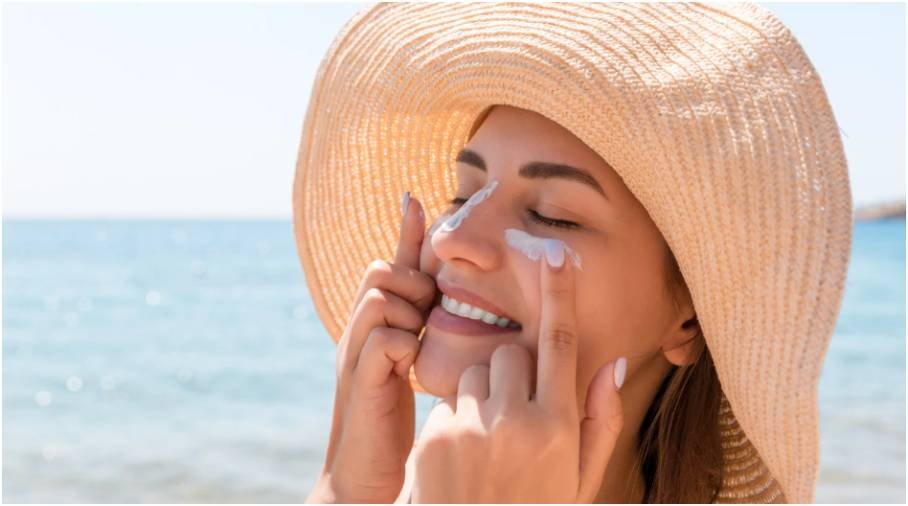
If you have ever wondered how much sunscreen to use on face, the answer is more than the tiny dab most people apply. I learned this the annoying way: my SPF 50 looked perfect under makeup, but my nose still turned pink after a short outdoor lunch.
The simple rule is this: use two finger lengths of sunscreen for your face, ears, and front of neck. For the face alone, a nickel-sized dollop is a helpful shortcut. If you want the more technical answer, dermatologists use 2 milligrams of sunscreen per square centimeter of skin as the standard for SPF testing.
The Real Answer: How Much Sunscreen to Use on Face
The easiest daily answer is two finger lengths of sunscreen. Squeeze one full line down your index finger and one full line down your middle finger. Those two strips should cover your face, ears, and the front of your neck.
If you are applying sunscreen to your face only, use about a nickel-sized amount. Some dermatology guidance also describes the face amount as roughly 1/4 teaspoon, while face and neck together can reach about 1/2 teaspoon depending on face size, neck area, and product texture.
That may sound like too much at first. I used to think the same thing. The problem is that sunscreen labels assume a generous, even application. A pea-sized amount may feel elegant, but it will not give the protection printed on the bottle.
Why the Two-Finger Rule Works Better Than Guessing
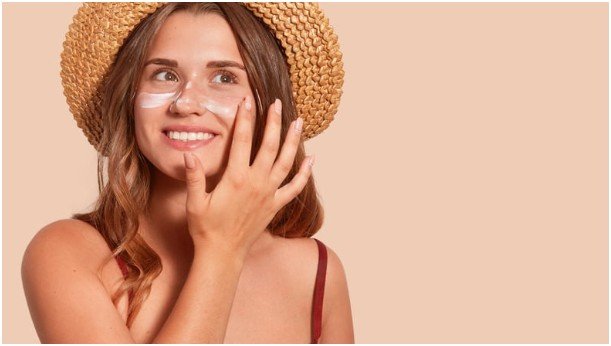
Most people do not measure sunscreen with spoons before leaving the house. The two-finger rule works because it turns a technical dose into a bathroom-mirror habit. You do not need a scale, teaspoon, or skincare calculator.
What Counts as Two Fingers?
Use two clear strips, not two tiny dots. The line should run from the base of each finger to the fingertip. Apply it to clean, dry skin as the last step of your morning skincare routine and before makeup.
This is the point where many people accidentally under-apply. A broken, thin, half-line does not count as a full finger. A sunscreen line that only reaches the middle of your finger is closer to half a dose.
Face Only vs Face, Ears, and Neck
When people ask how much sunscreen to use on face, they often forget that the face does not end at the jawline. Your ears, eyelids, hairline, lips, and neck get daily UV exposure too.
For face only, a nickel-sized amount is a strong visual guide. For face, ears, and neck, two full finger lengths are more realistic. If your neck is exposed by a V-neck top, scoop neck, workout shirt, or swimsuit, add more.
The SPF Trap Most People Miss
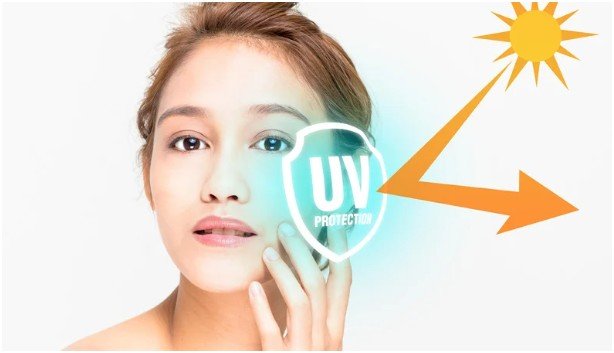
SPF is not magic. It is a tested protection level based on a specific amount of product. If you apply less than that amount, you do not get the full listed SPF.
Why a Thin Dab Does Not Give Full SPF
A thin dab of SPF 50 does not behave like a full layer of SPF 50. Under-application can reduce real-world protection dramatically. That is why someone can wear “high SPF” and still tan, burn, or develop uneven dark spots.
Think of sunscreen like paint on a wall. A patchy coat leaves gaps. A thin coat looks finished from far away, but the surface is not truly covered. Your skin works the same way, especially around curves like the nose, temples, and jaw.
My Quick Mirror Test for Better Coverage
Here is the original test I use: after applying sunscreen, I check five shine zones in natural light. I look at my forehead, nose bridge, cheekbones, upper lip, and jawline. If one area looks bare or dry while the rest has a soft, even sheen, I missed that spot.
This does not mean your face should look greasy. It means the sunscreen should look evenly distributed before it settles. If one side of your face absorbs everything instantly, apply a small extra layer there.
How to Apply Sunscreen Without Feeling Greasy
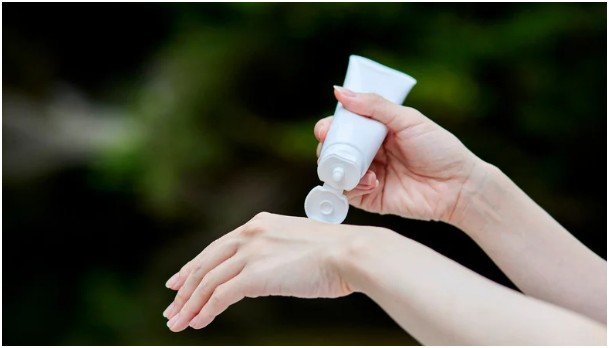
The right amount can feel heavy if you apply it all at once. That does not mean you need less sunscreen. It means you need a better method.
The Two-Layer Method
My favorite trick is layering. Apply the first finger’s worth of sunscreen, then wait about 60 seconds. After it settles, apply the second finger’s worth.
This makes the final finish smoother. It also reduces pilling, white cast, and that sticky feeling that makes people avoid sunscreen. The two-layer method is especially helpful with mineral sunscreens, thick creams, and products worn under foundation.
Creams, Fluids, Gels, and Sticks Need Different Thinking
The two-finger rule works best for creams and lotions. Fluid sunscreens spread faster, but they can also run thin, so do not cheat the amount. Pour enough into your palm to create a generous layer across the whole face and neck.
Gel sunscreens often feel lighter, which makes proper application easier for oily or acne-prone skin. Sticks are useful for touch-ups, but they need several passes over each area. One swipe is not enough.
Spray sunscreen should not be sprayed directly onto the face. Spray it into your hands first, then apply carefully while avoiding the eyes and mouth.
Spots People Forget on the Face and Neck

The most commonly missed areas are also the places that get constant sun. Do not stop at the cheeks.
Cover the tops and edges of your ears, eyelids, under-eye area, temples, hairline, upper lip, nostril edges, jawline, back of the neck, and the front of the neck. Use an SPF lip balm for lips because regular face sunscreen can taste unpleasant and wear off quickly.
If you use exfoliating acids, retinoids, acne treatments, or brightening products, be extra consistent. Skin can feel more reactive when the barrier is stressed. For sensitive routines, pair sunscreen habits with a gentle exfoliation guide like lactic acid vs glycolic acid for sensitive skin.
When and How Often to Reapply Sunscreen
Morning sunscreen is not a full-day force field. Reapply every two hours when you are outdoors. Reapply sooner after swimming, sweating, or toweling off.
For regular indoor days, reapplication depends on your exposure. If you sit near a bright window, drive often, take outdoor breaks, or walk during lunch, refresh your sunscreen.
If you wear makeup, use a sunscreen stick, cushion, powder, or mist as a practical touch-up. For the strongest protection, a fresh lotion layer still gives the most reliable coverage.
Water-resistant sunscreen is not waterproof. Labels usually indicate 40 or 80 minutes of water resistance, which means you still need to reapply after swimming or heavy sweating.
Smart Sunscreen Habits for Everyday Skincare
The best sunscreen is the one you will apply generously. A beautiful formula used in a tiny amount is less helpful than a comfortable formula used correctly.
Choose broad-spectrum sunscreen because it protects against UVA and UVB rays. Use SPF 30 or higher for daily wear, especially if you spend time outside. For beach days, sports, hiking, or long drives, SPF 50 can be a smart choice.
Apply sunscreen 15 minutes before sun exposure when possible. Give it time to settle before makeup. If your sunscreen pills, your skincare underneath may be too heavy. Try using less moisturizer in the morning or waiting longer between layers.
Also, do not make sunscreen do all the work. Hats, sunglasses, UPF clothing, shade, and avoiding peak midday sun all help. Sunscreen is the main character, but it still needs a supporting cast.
FAQs About How Much Sunscreen to Use on Face
1. Is two fingers of sunscreen too much for the face?
No, two fingers is usually meant for the face, ears, and neck; for face only, a nickel-sized amount is often enough.
2. How much sunscreen to use on face if I wear makeup?
Use the full sunscreen amount before makeup, let it set, then reapply later with a stick, cushion, mist, or fresh layer when possible.
3. Is 1/4 teaspoon of sunscreen enough for the face?
Yes, 1/4 teaspoon is a common guide for the face alone, but include more if you cover your ears and neck.
4. Do I need sunscreen indoors?
Yes, especially if you sit near windows, drive during daylight, use brightening skincare, or want to prevent uneven tone.
Final Swipe: Your SPF Is Not a Decoration
I treat sunscreen like brushing my teeth now: not dramatic, not optional, and not something I eyeball lazily. The real answer to how much sunscreen to use on face is simple: use enough to create an even layer, not just enough to feel like you tried.
Two fingers for face, ears, and neck is the easiest habit. A nickel-sized amount works for face only. Layer it if it feels heavy, check the missed spots, and reapply when the sun is still part of your day. Your future skin does not need a lecture. It needs the full serving.