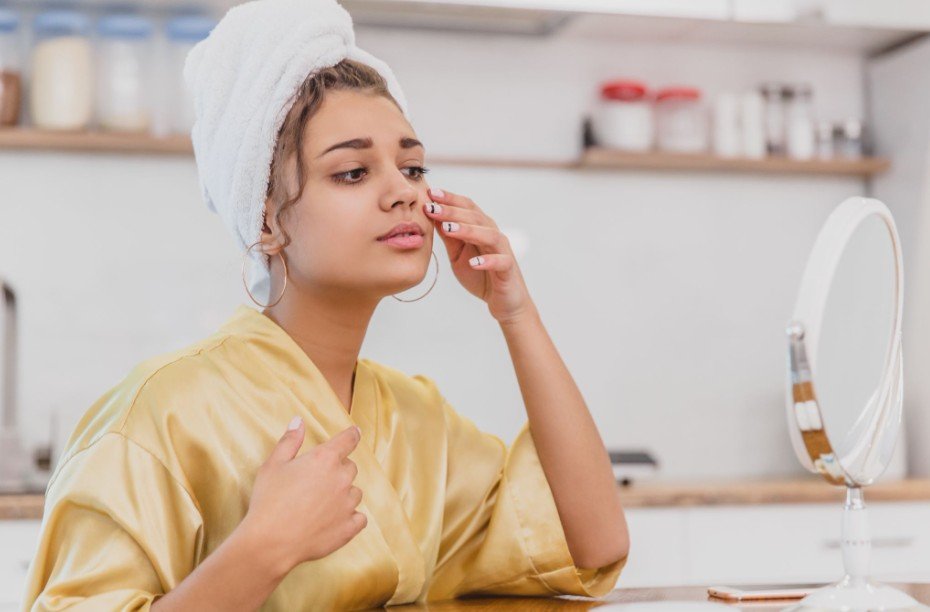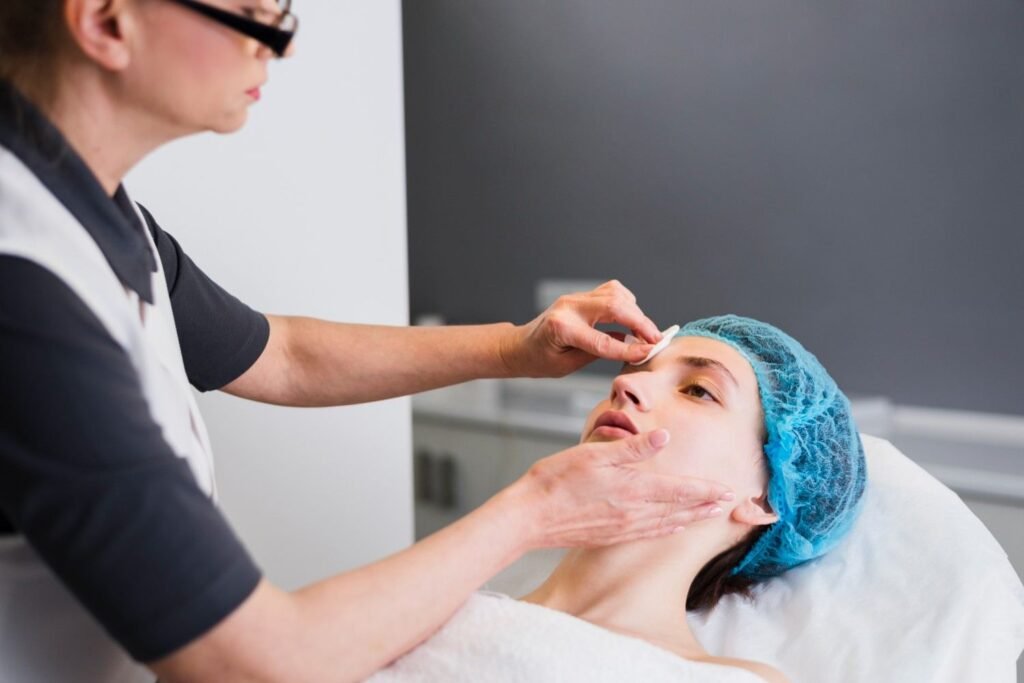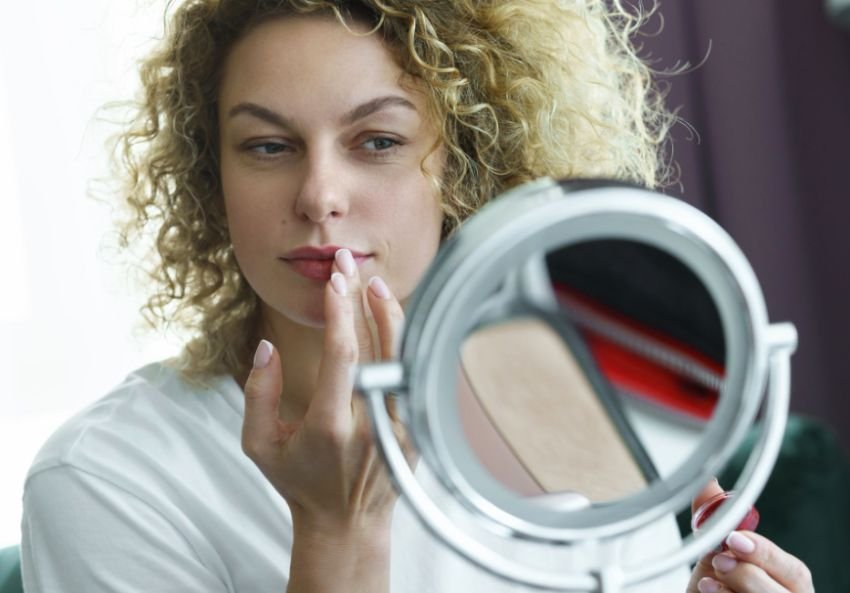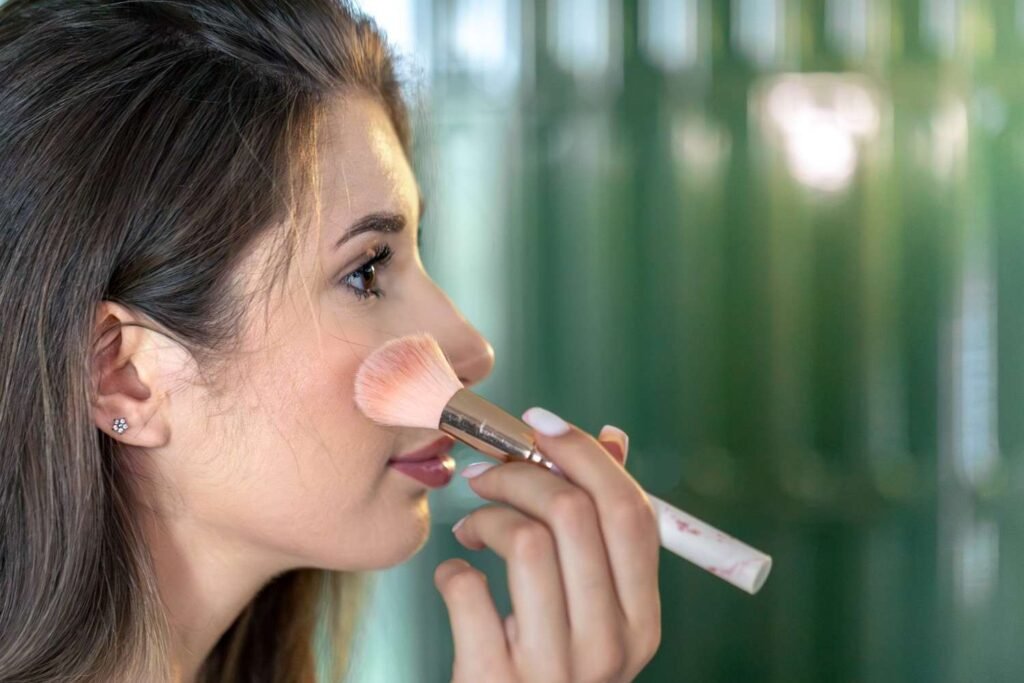
Sensitive skin can turn a simple makeup routine into trial and error. A foundation may look beautiful for an hour and then leave my skin feeling tight, itchy, or hot. Eye makeup can trigger watering, while a heavily scented blush or primer may make already reactive skin feel uncomfortable.
That is why I approach fragrance-free makeup for sensitive skin differently from ordinary cosmetics. Instead of trusting attractive packaging or broad claims such as “clean” and “natural,” I look at the fragrance labeling, ingredient list, formula type, and whether the product makes sense for my individual skin concerns.
For US shoppers, the good news is that fragrance-free and sensitive-skin makeup is increasingly available through drugstores, beauty retailers, and major brands. The challenge is knowing which claims actually matter.
What Should I Look for in Makeup if I Have Sensitive Skin?
My priority is an explicitly fragrance-free formula. “Unscented” does not necessarily mean the same thing. An unscented cosmetic may use ingredients that mask the formula’s natural odor, while fragrance-free products are intended to avoid ingredients added specifically to create or disguise scent.
I also check the ingredient list for “fragrance” or “parfum.” If my skin is particularly reactive, I pay attention to fragrant essential oils and fragrance compounds such as limonene and linalool as well.
Hypoallergenic and dermatologist-tested labels can also be useful clues, but I do not treat them as guarantees. Sensitive skin varies dramatically from one person to another. A product that works perfectly for thousands of shoppers can still cause irritation in someone with a specific contact allergy.
For acne-prone sensitive skin, I also consider non-comedogenic makeup. This claim is mainly relevant to clogged pores and breakouts rather than fragrance sensitivity, but it can be useful if I am trying to manage both concerns.
Is Mineral Makeup Better for Sensitive Skin?
Mineral makeup can be a practical option for some reactive complexions, particularly when the formula contains relatively few ingredients. Simple powders may reduce exposure to unnecessary fragrance and complicated botanical blends.
However, “mineral,” “natural,” and “clean” do not automatically mean irritation-free.
I pay more attention to the entire formula than to marketing language. Even botanical extracts or essential oils can irritate certain people. Likewise, I would not automatically reject every cosmetic containing alcohol, parabens, or sulfates simply because those ingredients appear on an online avoid-list. Individual ingredients need to be judged in context, and personal sensitivities matter more than broad fear-based rules.
Which Fragrance-Free Makeup Brands Are Worth Checking in the US?
Several recognizable brands give US shoppers useful starting points.
Almay
Almay specifically markets makeup for sensitive skin. Its current face-makeup collection includes filters for fragrance-free, hypoallergenic, and dermatologist-tested formulas, while its sensitive-skin range also highlights dermatologist and ophthalmologist testing. The brand currently lists products such as Smart Shade Skintone Matching Foundation and other foundations designed for sensitive skin.
I still recommend checking the exact product label because formulas and claims can change.
Clinique
Clinique is another strong option to investigate when fragrance is a concern. Its US makeup collection states that its makeup is allergy tested, dermatologist tested, and 100% fragrance free. The range includes foundation, concealer, powder, blush, eye makeup, lipstick, tinted moisturizer, and setting products.
That breadth can make it easier to build most of a routine without switching between many unrelated brands.
CoverGirl
CoverGirl’s Clean makeup range is widely accessible in US drugstores and mass retailers. The current collection emphasizes lightweight, breathable, oil-free makeup and includes foundation formulas intended for sensitive skin.
Because not every product within a large brand necessarily carries identical fragrance claims, I would verify the packaging and ingredient list of the particular CoverGirl product I plan to buy instead of assuming the entire line is fragrance-free.
Iba Cosmetics
Iba Cosmetics is less US-centered than Almay, Clinique, or CoverGirl, but it is worth mentioning because it appears frequently in sensitive-skin makeup discussions. The company markets halal-certified, vegan, cruelty-free cosmetics and says its products are formulated with sensitive skin in mind. It also advises patch testing before wider use.
For a US shopper, I would consider availability, shipping, and the ingredient list before choosing it over more readily available domestic options.
How Do I Choose Foundation and Concealer for Reactive Skin?
Foundation covers more facial surface area than almost any other makeup product, so I am especially careful here.
For dry or eczema-prone skin, I prefer lightweight hydrating foundation, skin tint, or a natural-finish formula rather than an extremely matte base that can highlight flakes. Ingredients such as glycerin, hyaluronic acid, ceramides, squalane, or panthenol may also support a more comfortable finish.
For oily sensitive skin, I look for lightweight, oil-conscious, non-comedogenic formulas instead of products designed to aggressively strip oil.
With concealer, I use as little as necessary and avoid rubbing repeatedly around the eyes and nose. Minimizing friction can be just as important as choosing a gentle formula.
What Makeup Is Best for Sensitive Eyes?
If my eyes regularly sting or water after makeup application, I do not assume fragrance is the only possible cause. Pigments, preservatives, old mascara, dirty brushes, adhesives, or a personal allergy can also contribute.
I look for ophthalmologist-tested products when possible, particularly for mascara and eyeliner. Almay, for example, currently identifies several eyeliners as fragrance-free, hypoallergenic, ophthalmologist-tested, and suitable for sensitive eyes or contact-lens wearers.
I also replace eye products regularly and keep application tools clean.
How Should I Patch-Test New Makeup?
A patch test gives me an opportunity to spot a reaction before covering my entire face.
I introduce one product at a time and test a small amount on a limited area. Many sensitive-skin beauty guides suggest observing the area for approximately 24 to 48 hours before broader use.
A home patch test cannot guarantee that a product will never irritate, but it is a sensible precaution. If reactions keep happening, professional patch testing through a dermatologist or allergist can help identify specific contact allergens.
How Can I Remove Makeup Without Irritating Sensitive Skin?
Removal is where many otherwise gentle routines go wrong.
I avoid scrubbing aggressively or repeatedly tugging at the skin. Instead, I use a mild fragrance-free cleanser, cleansing balm, or alcohol-free micellar water that can dissolve makeup with minimal friction. Waterproof formulas sometimes require more rubbing, so I limit them when my skin or eyes are already irritated.
Almay’s current remover collection, for example, includes fragrance-free and hypoallergenic options, including eye makeup removers.
After cleansing, I keep the rest of my routine simple and apply a gentle moisturizer to support the skin barrier.
Can Fragrance-Free Makeup Still Cause a Reaction?
Absolutely. Fragrance-free does not mean allergy-proof.
Preservatives, pigments, botanical ingredients, adhesives, or other components can trigger irritation or allergic contact dermatitis in susceptible people. That is why I consider fragrance-free labeling an excellent screening tool rather than a guarantee.
The same applies to “hypoallergenic,” “dermatologist-tested,” “natural,” and “clean beauty.” No single label can predict exactly how one person’s skin will respond.
Frequently Asked Questions (FAQs)
1. Is fragrance-free makeup better for eczema-prone skin?
It can be a useful choice because removing fragrance eliminates one potential source of irritation. However, eczema-prone skin may react to other ingredients too. During an active, severely irritated flare, I would prioritize skin recovery and follow a dermatologist’s guidance before covering the area with makeup.
2. Is hypoallergenic makeup always fragrance-free?
No. These are different claims. I check both the fragrance labeling and the complete ingredient list rather than assuming that “hypoallergenic” automatically means fragrance-free.
3. Is non-comedogenic makeup good for sensitive skin?
It may help if your sensitive skin is also acne-prone because non-comedogenic products are designed with pore clogging in mind. It does not guarantee protection from irritation or allergies.
4. Should I choose fragrance-free or unscented makeup?
When fragrance is my concern, I prefer a product specifically labeled fragrance-free. “Unscented” products may still use ingredients intended to mask an underlying odor.
5. What should I do if makeup makes my face burn?
I stop using the suspected product and gently remove it. Persistent redness, swelling, blistering, or recurring reactions deserve medical evaluation, particularly if I cannot identify the trigger.
Final Thoughts
I have found that choosing fragrance-free makeup for sensitive skin becomes much easier when I stop relying on one marketing phrase and start evaluating the entire routine. I look for genuinely fragrance-free formulations, simple ingredient lists, appropriate products for my skin type, clean application tools, and gentle removal.
Brands such as Almay, Clinique, and selected CoverGirl formulas give US shoppers accessible places to start, while mineral and minimal-ingredient products may also work well for some people. These lighter options can also be useful when choosing makeup for textured cheeks without heavy foundation, since thinner layers tend to sit more naturally on uneven skin.
Most importantly, I introduce new products slowly. Sensitive skin is personal, and the safest-looking formula on the shelf still needs to work with my own skin.