Some makeup routines make textured cheeks look better in the mirror for five minutes and worse the moment natural light hits. That usually happens when too much product sits on top of pores, dry patches, acne marks, or uneven skin instead of blending with the complexion.
I prefer a lighter approach. With makeup for textured cheeks without heavy foundation, I focus on softening contrast rather than covering every inch of skin. A well-prepped base, targeted concealer, sheer complexion products, and carefully chosen blush can make cheeks look smoother without creating a thick or cakey finish.
The result feels more comfortable, looks more natural, and works especially well for everyday makeup.
How Should I Prep Textured Cheeks Before Makeup?
Skin prep matters more than piling on foundation.
I start by pressing a lightweight moisturizer into the cheeks rather than rubbing it aggressively across the skin. If my face feels especially dehydrated, I may use a milky toner first, followed by moisturizer. This adds hydration without creating the thick, slippery layers that sometimes cause makeup to separate.
The key is giving skincare time to settle.
I also avoid aggressive exfoliation immediately before makeup. Scrubbing dry patches or textured areas right before applying cosmetics can increase redness and make the surface look rougher.
For daytime makeup, sunscreen is essential. A lightweight or pore-blurring SPF can sometimes double as part of the makeup prep while keeping the number of layers low.
Can I Skip Full-Coverage Foundation on Textured Skin?
Yes, and I often prefer the result.
Instead of using full-coverage foundation across the entire face, I choose a sheer CC cream, skin tint, tinted moisturizer, or lightweight foundation only when I need extra evening of the skin tone.
A sheer CC cream such as Erborian CC Cream can provide light color correction while allowing natural skin to remain visible.
On days when my skin tone already looks fairly even, I skip foundation altogether and spot-conceal redness, blemishes, or post-acne marks.
This works because discoloration and texture are two different issues. Concealer can help neutralize color, but no amount of makeup can completely flatten raised bumps or deep acne scars. Adding more product over those areas often makes them stand out.
Should I Use Primer on Enlarged Pores and Acne Scars?
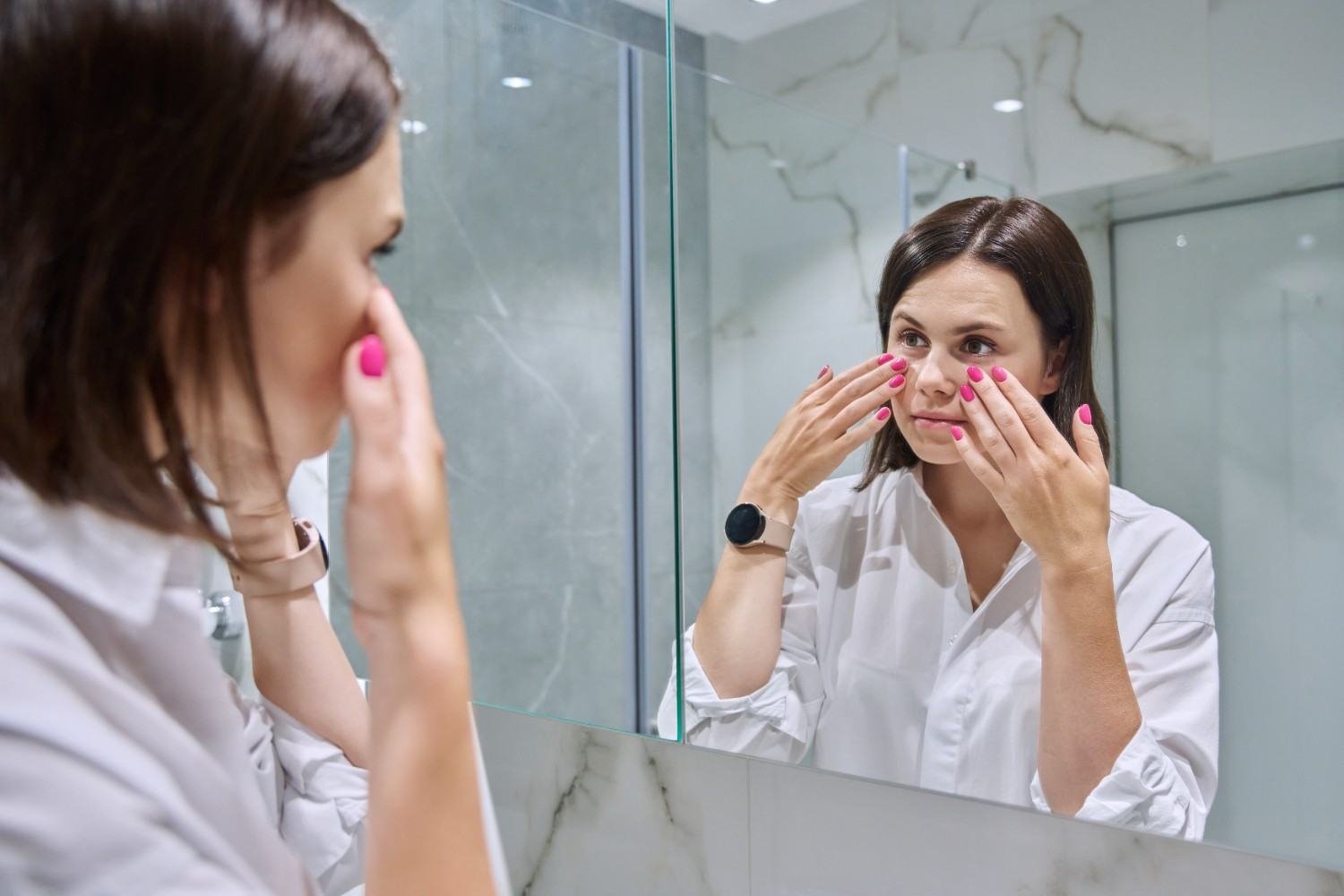
Primer can be helpful when I use it selectively.
If enlarged pores are my main concern, I press a small amount of pore-blurring or smoothing primer directly into the textured cheek area. I do not coat my whole face with it unless I need to.
Pressing is important. Rubbing primer back and forth can disturb skincare underneath and may cause later layers to pill.
For dry texture, I usually choose hydration over an aggressively mattifying primer. Dry patches need flexibility, while visible pores may benefit more from a soft-focus or silicone-based finish.
How Do I Spot Conceal Without Making Texture Look Cakey?
I use the smallest amount of concealer possible.
Instead of spreading concealer across the entire cheek, I place a tiny amount directly over a dark spot, red mark, or blemish. Then I tap around the edges until it blends into the surrounding skin.
That keeps the coverage concentrated where I actually need it.
When I am creating makeup for textured cheeks without heavy foundation, I find this targeted method especially useful because it prevents the whole cheek from becoming coated in product.
A damp makeup sponge works well for pressing concealer into place, although a small brush can offer more precision.
Is a Sponge or Brush Better for Textured Cheeks?
Both can work, but technique matters more than the tool.
I usually prefer a damp sponge because it presses thin layers into the skin rather than aggressively moving them around.
If I use a brush, I tap instead of buffing in wide circles.
Too much buffing can lift primer, move concealer, and push foundation into enlarged pores. Light pressing motions usually create a smoother finish.
What Type of Blush Looks Best on Textured Cheeks?
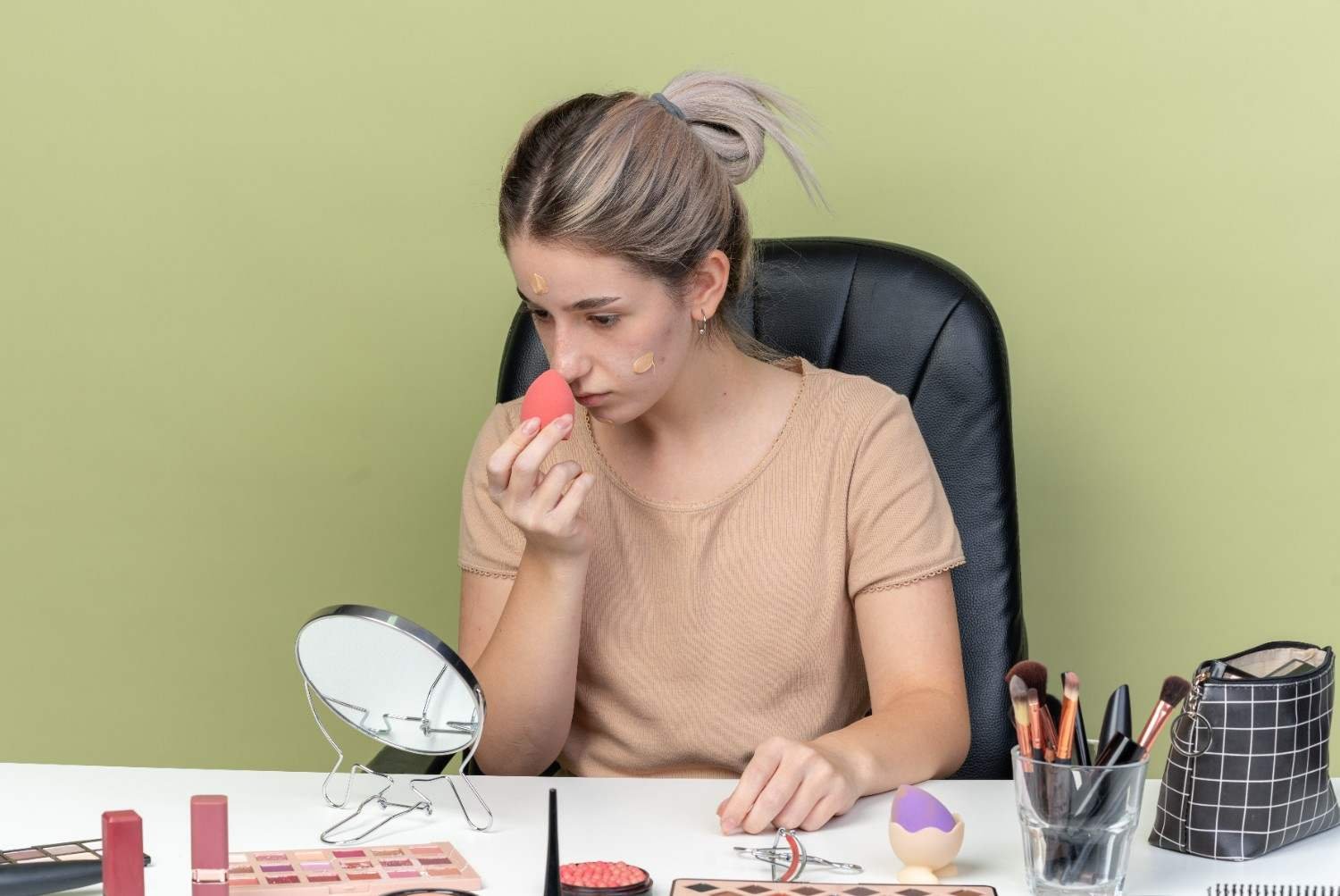
I pay close attention to blush texture because cheek products sit directly over the area I am trying to keep smooth.
Cream-to-powder, bouncy, and cushion-like blush formulas can work particularly well. They provide the softness of cream makeup while setting into a finish that does not feel excessively wet or sticky.
Products such as Rare Beauty Soft Pinch Matte Bouncy Blush and Nudestix Nudies Matte Lux are examples of this type of modern cheek formula.
I also place blush slightly higher on the cheek rather than concentrating it directly over the most textured area.
For powder blush, I choose finely milled formulas with a satin or natural finish instead of chunky shimmer.
Should I Avoid Highlighter on Textured Skin?
Not completely, but I am careful about placement.
Large glitter particles and strong metallic highlighters can reflect light from every bump, pore, and indentation. That can make texture look more prominent, especially in direct sunlight or bright indoor lighting.
I prefer subtle satin finishes or soft luminosity. This approach also works well when thinking about how to make skin tint last on oily skin, because keeping reflective products controlled can help the complexion look fresher rather than overly shiny.
When I use highlighter, I keep it toward the smoother upper cheekbone rather than sweeping it across the center of the cheek.
Sometimes I skip separate highlighter altogether and let a softly luminous blush provide enough glow.
Should I Use Powder on Textured Cheeks?
Powder can help with longevity, but too much creates another visible layer.
I usually apply a tiny amount of finely milled powder only where oil tends to break through or where concealer needs extra staying power.
For dehydrated cheeks, I may skip powder and use setting spray instead.
This helps keep the makeup flexible and reduces the dry, heavy appearance that can develop after several hours.
How Can I Keep Lightweight Makeup Looking Fresh All Day?
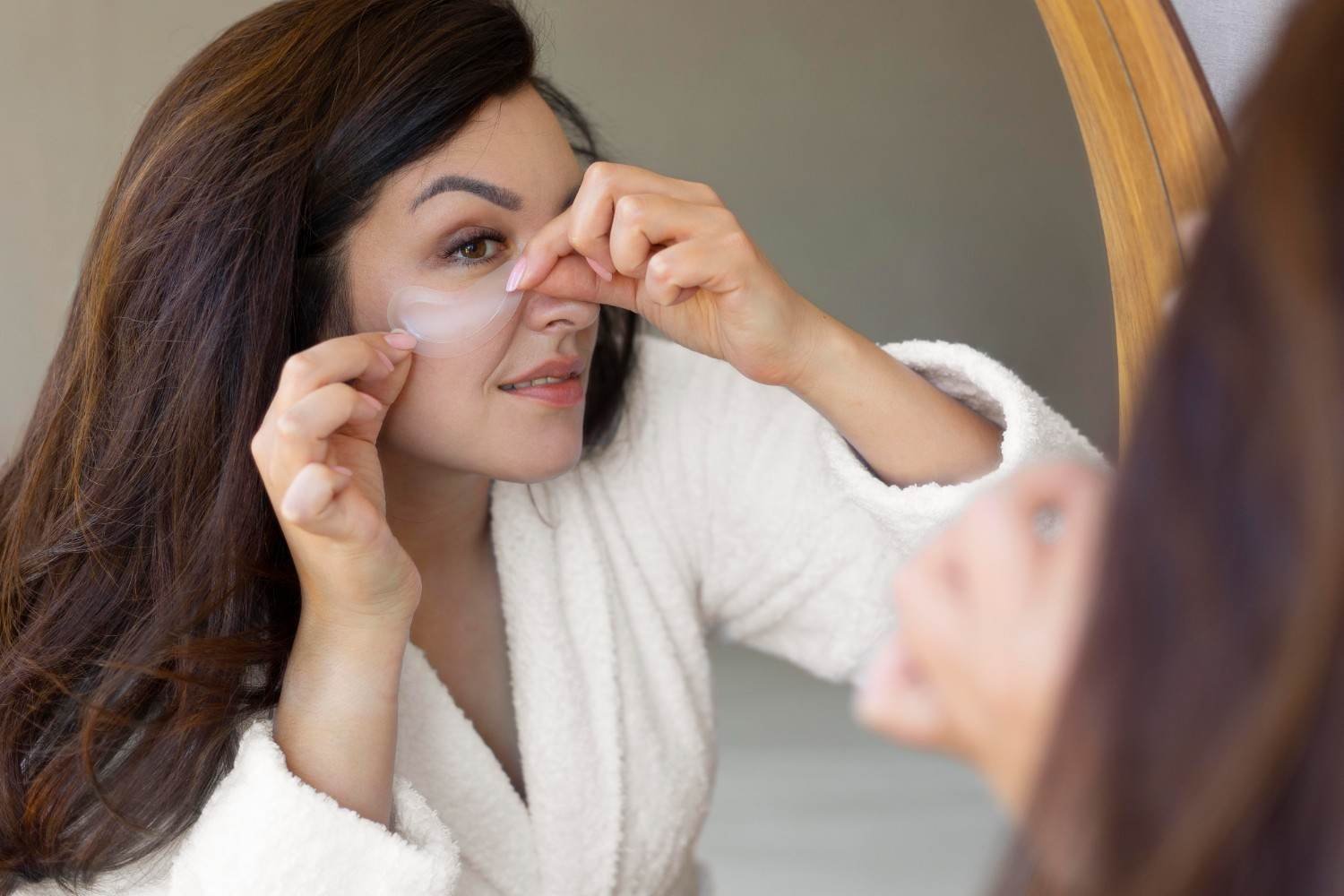
I avoid adding more foundation during touch-ups.
If oil appears, I blot first. If a small area has separated, I press it gently with a clean sponge before adding anything else.
If coverage has faded over a blemish, I use a tiny amount of concealer instead of applying another layer across the cheek.
This prevents the base from becoming thicker as the day goes on.
What Makeup Finish Is Best for Textured Cheeks?
A natural, satin, or soft-matte finish usually gives me the most flattering result.
Extremely matte makeup can emphasize dehydration, while very glossy formulas can reflect light off pores and bumps.
A balanced finish keeps enough dimension in the skin without making the texture the focal point.
FAQs About Textured Cheek Makeup
How can I cover textured cheeks without foundation?
Use moisturizer, pore-blurring SPF or primer, and spot concealer only on areas of discoloration. A sheer CC cream or skin tint can add light coverage when needed.
Is cream blush good for textured cheeks?
Yes. Lightweight cream, cream-to-powder, and bouncy blush formulas can blend naturally into the skin. I avoid thick creams or formulas with large glitter particles.
Why does foundation make my cheek texture look worse?
Heavy layers can collect around enlarged pores, dry patches, acne scars, and bumps. Using thinner layers and pressing rather than buffing often creates a smoother-looking finish.
Is matte or dewy makeup better for textured skin?
I usually prefer a natural or satin finish. Very matte products may emphasize dryness, while highly dewy formulas can make uneven texture more noticeable.
Final Thoughts
I get the best results when I treat texture and discoloration as separate concerns. I hydrate first, blur only where needed, conceal specific marks, and keep cheek products soft and lightweight.
The most flattering makeup for textured cheeks without heavy foundation is usually the routine that uses the least product necessary to create an even tone. When I stop trying to completely cover the surface of my skin, my makeup looks fresher, more natural, and noticeably smoother.