A spa day can become less relaxing when the treatments are booked in the wrong sequence. A vigorous scrub after a massage can strip away oils you just paid to have applied, while a hot sauna after an intensive facial may leave freshly treated skin feeling irritated.
So, what order should you do spa treatments? For a typical wellness-focused spa day, the most practical sequence is heat or hydrotherapy, optional cooling, body exfoliation, massage, facial care, and finally quiet recovery with hydration. That order moves from whole-body preparation toward increasingly targeted treatments while avoiding unnecessary disruption of freshly treated skin.
There is one important catch: medical spa procedures, aggressive exfoliation, pregnancy, cardiovascular conditions, medications, and sensitive skin can change the plan.
1. Begin With Heat—but Don’t Treat More Heat as Better
A sauna, steam room, warm pool, or whirlpool usually makes the most sense near the beginning of a spa visit. The warmth can help you transition from driving, working, or rushing into a calmer state before hands-on treatments begin.
But the popular claim that steam literally “opens your pores” is misleading. Pores do not open and close like doors. Heat can soften surface oils and increase sweating, which may make cleansing or exfoliation feel easier, but it does not mechanically open pores.
Heat exposure also affects circulation. Harvard Health notes that sauna heat dilates blood vessels, increases heart rate, and can temporarily influence blood pressure. Its medical guidance recommends starting cautiously and leaving if you become dizzy, excessively hot, or lightheaded.
For most spa visitors, a short heat session is more sensible than trying to maximize the number of minutes spent sweating.
If your spa offers several heated and water-based facilities, planning how to move between them can make the experience more comfortable and organized.
This thermal hydrotherapy circuit and spa etiquette guide can help you understand how to approach different spa facilities, follow appropriate etiquette, and enjoy a more relaxing wellness circuit.
Do Hot Tubs Belong Here Too?
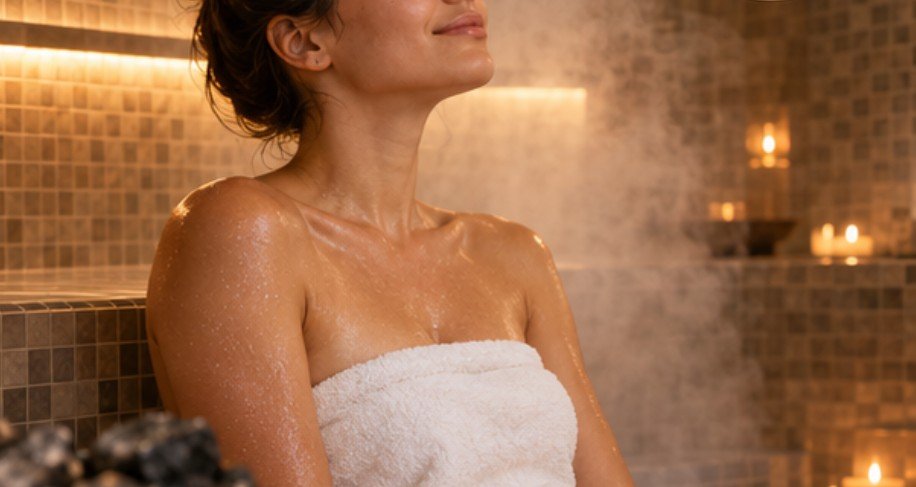
Usually, yes. If your spa day includes a hot tub, schedule it before treatments that leave products on your skin.
The CDC’s Model Aquatic Health Code says hot-tub water should not exceed 104°F and advises pregnant people to consult a physician about hot-tub use, particularly during the first trimester.
That is another reason to treat hydrotherapy as a deliberate part of the schedule rather than simply spending as long as possible in every heated facility.
2. Use Cold Therapy as an Option, Not an Obligation
Some spas encourage alternating heat with a cold plunge or cool shower. If you enjoy contrast bathing and have been cleared to use it, a brief cooling period can provide a refreshing transition before your next treatment.
You do not, however, need an icy plunge to make your spa day “work.” Someone who dislikes extreme temperature changes can simply cool down gradually.
This is particularly important if heat leaves you lightheaded. Dehydration makes it harder for the body to regulate temperature, and dizziness, nausea, unusual fatigue, headache, or confusion are signals to stop rather than push through. Harvard Medical School’s heat guidance emphasizes hydration and cooling when heat-related symptoms appear.
3. Schedule the Body Scrub Before the Massage
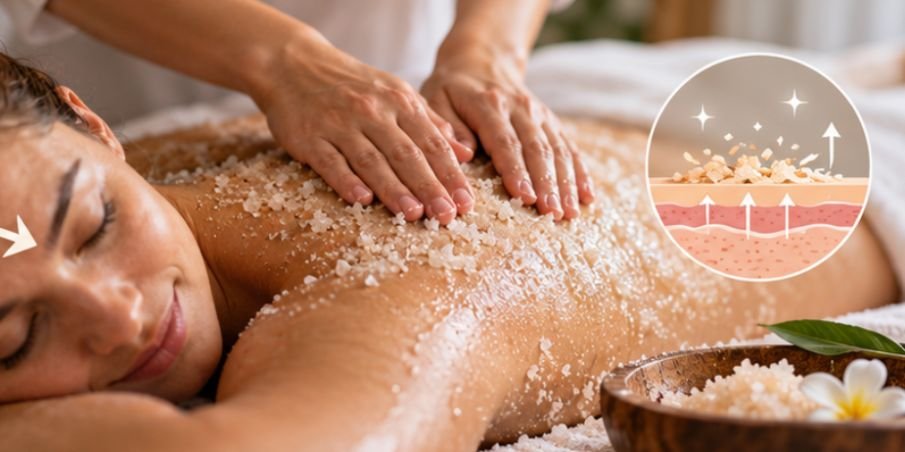
If your package includes a salt scrub, sugar polish, dry brushing treatment, or similar exfoliation, it generally belongs ahead of massage.
The logic is practical. Exfoliation removes loose surface cells and is commonly followed by rinsing. Doing that first means you will not need to shower off massage oil immediately after your massage.
It can also leave the skin smoother before creams, oils, or body butters are applied.
If you want to make this part of your spa day feel more indulgent, consider exploring different luxury day spa body polish treatments before choosing your appointment.
Body polishes can complement a spa routine by exfoliating the skin and leaving it feeling smoother, so scheduling the treatment before your massage can help keep the overall sequence practical and relaxing.
More exfoliation is not automatically better, though. The American Academy of Dermatology warns that exfoliation can worsen irritation when skin is already sensitive or when someone uses products such as retinoids or benzoyl peroxide.
Tell your therapist about eczema, sunburn, active rashes, recent waxing, retinoid use, or unusually reactive skin before booking a strong scrub.
Anyone specifically dealing with flaking may also want to compare treatments designed for dry skin and persistent flakes rather than automatically choosing the strongest exfoliation available.
4. Put Massage in the Middle of the Experience
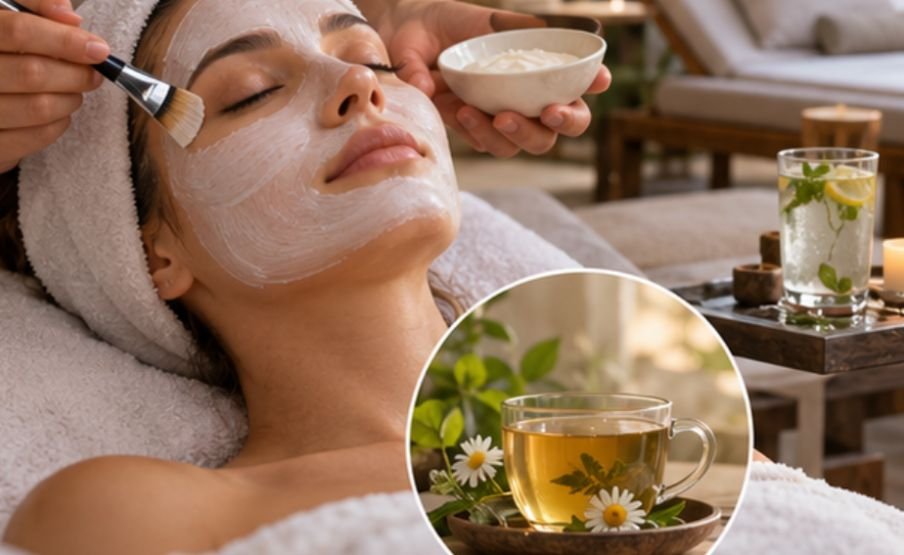
Massage often works best after the more active parts of a spa circuit are finished. You have already changed clothes, experienced the wet facilities, showered if necessary, and completed exfoliation. Now you can settle onto the treatment table without wondering whether you will need to jump into a pool afterward.
Massage may also provide temporary benefits for certain types of discomfort, although it should not be treated as a substitute for medical care.
The National Center for Complementary and Integrative Health reports that massage therapy safety information generally has a low risk of harmful effects when performed appropriately, but rare serious complications have been reported. Deep or forceful massage may be inappropriate for some people, including those with certain bleeding risks, injuries, skin problems, or health conditions.
Tell your massage therapist about injuries, recent surgery, pregnancy, medications affecting clotting, or areas that should not receive pressure.
5. Save the Facial for Later
For many traditional spa days, a facial makes an elegant final major treatment.
By this point you are finished with pools, sweating, repeated showers, body scrubs, and face-down massage positioning. Your esthetician can cleanse the skin, apply appropriate treatments, moisturize it, and leave the finished result undisturbed.
This sequencing is particularly useful when the facial includes masks, hydration, gentle extraction, or carefully selected exfoliating products.
If your facial includes extractions, understanding the process beforehand can help you know what to expect and how to care for your skin afterward.
This guide on what happens during facial extractions explains this specific facial step and why appropriate aftercare matters, especially when planning other spa treatments around it.
But not every facial should follow an ordinary spa circuit. A stronger chemical peel, laser procedure, microneedling session, or another medical-aesthetic service has its own preparation and aftercare rules.
The American Academy of Dermatology notes, for example, that dermatologist-performed chemical peels require specific post-treatment care and that some have several days of healing time. For those treatments, follow the clinician’s protocol rather than the standard spa-day order.
A Simple Test Before Booking Your Treatments
Before finalizing your itinerary, ask three questions.
First, will I need to rinse afterward? Treatments requiring a shower usually belong earlier.
Second, will this treatment make my skin more sensitive? If yes, avoid scheduling intense heat, chlorinated water, aggressive exfoliation, or another irritating procedure afterward unless your provider approves it.
Third, is this a wellness treatment or a medical-aesthetic procedure? Medical procedures take priority over the conventional spa sequence. Those three questions solve most scheduling conflicts.
Common Spa-Order Mistakes
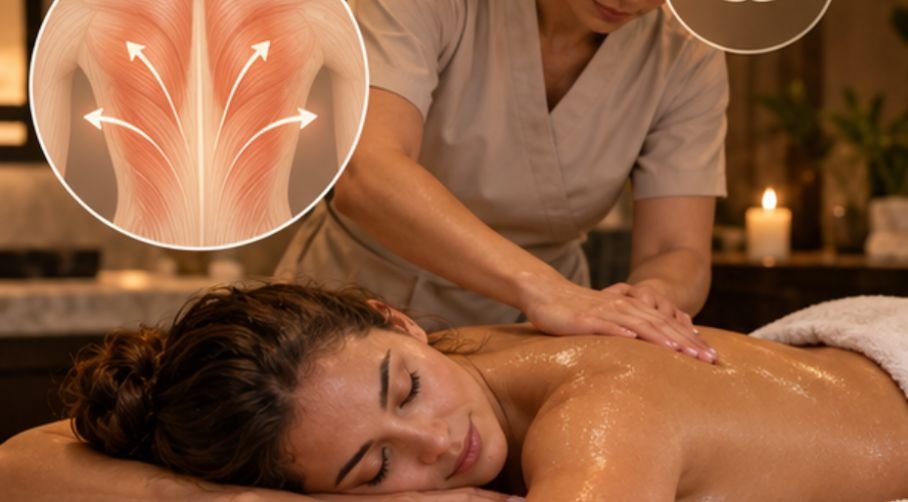
One mistake is scheduling a massage before spending an hour moving between pools, showers, and saunas. You may wash away the moisturizing products and lose some of the peaceful post-massage effect.
Another is stacking several exfoliating treatments. A body scrub, strong facial peel, active skin-care products, and heat exposure on the same day can be too much for reactive skin.
The third is treating dizziness or discomfort as part of the experience. Spa treatments should feel restorative. Heat intolerance, pain during massage, burning skin, or feeling faint are reasons to stop and tell a staff member.
Frequently Asked Questions
1. What order should you do spa treatments for a full spa day?
A practical order is sauna or steam, optional cooling, body exfoliation, massage, facial treatment, then hydration and quiet relaxation. Medical treatments may require a different sequence.
2. Should I get a massage or facial first?
Massage usually comes first. Having the facial afterward prevents massage-table positioning, heat, showers, or oils from disturbing freshly applied facial products.
3. Should you use the sauna before or after a massage?
Before is generally more practical. It lets you complete sweating and showering before massage oils or moisturizers are applied. Avoid excessive heat and follow your spa’s safety guidance.
4. Can I use a hot tub after a facial?
It is usually better to use the hot tub beforehand, particularly after exfoliating or intensive facial treatments. Heat, water, and chemicals may aggravate freshly treated skin.
The Takeaway
The smartest spa day is less about squeezing every treatment into your appointment and more about preventing one service from undoing—or irritating—the next. Start broadly with warmth and water, move into exfoliation and bodywork, then finish with targeted facial care and genuine rest.
If you are still wondering what order should you do spa treatments, remember the simplest rule: wet and heated experiences first, treatments that leave products on the skin later, and anything medically intensive according to your provider’s instructions. A few minutes spent planning the sequence can make the entire day feel considerably more restorative.