A long workday can put makeup through more stress than most people realize. Between commuting, dry office air, heat, sweat, coffee breaks, phone calls, masks, and hours of facial movement, even a polished morning routine can start looking uneven before the shift is over.
I have found that the best makeup for long work shifts without touch ups is not about using the heaviest foundation or the strongest powder. It is about building a lighter, smarter routine that grips where it needs to, resists friction, and fades evenly. With the right prep, layering, and setting techniques, makeup can stay presentable through a 10- or 12-hour day without constant mirror checks.
How Do You Prep Skin So Makeup Lasts Through a Long Shift?
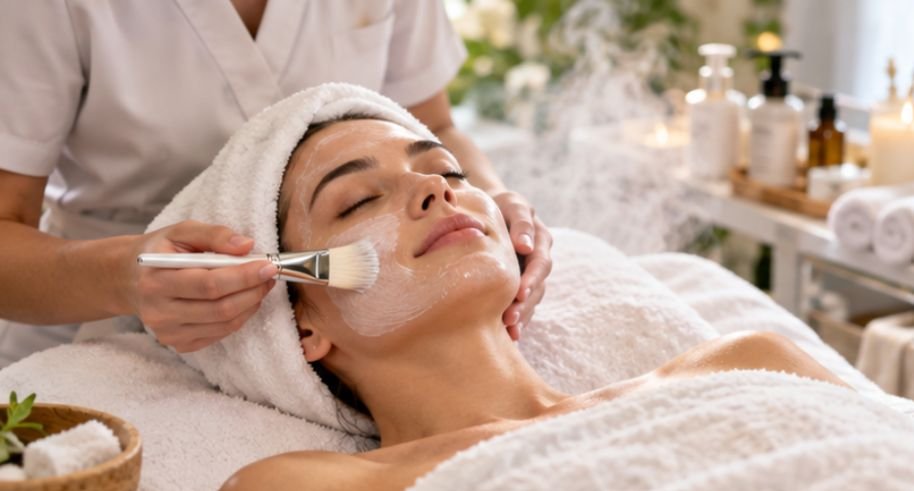
Long-lasting work makeup begins before foundation. If my skincare leaves a slick layer on the surface, even an excellent long-wear foundation tends to move faster.
I start with lightweight moisturizer and sunscreen suited to my skin type, then give those products time to settle. Oily skin still needs hydration, but a heavy cream can make foundation slide. Dry skin may need more moisture, but I still avoid creating an overly emollient surface.
For a more targeted skincare routine, I also consider ingredients that support hydration and the skin barrier, especially when dryness makes makeup look uneven during long workdays. Understanding ceramides vs. peptides for mature skin elasticity can help clarify how these ingredients serve different skincare purposes and how they may fit into a routine designed to keep skin comfortable beneath makeup.
Should You Use a Gripping Primer for Work Makeup?
A gripping primer can help when I know the day will be unusually long. Products such as Milk Makeup Hydro Grip are designed to create a tackier surface that helps complexion products adhere.
I do not necessarily apply primer heavily across my entire face. Instead, I concentrate it where my makeup usually breaks down first, such as around the nose, forehead, chin, or areas exposed to friction.
That targeted approach gives me grip without making the base unnecessarily thick.
What Foundation Application Lasts the Longest at Work?
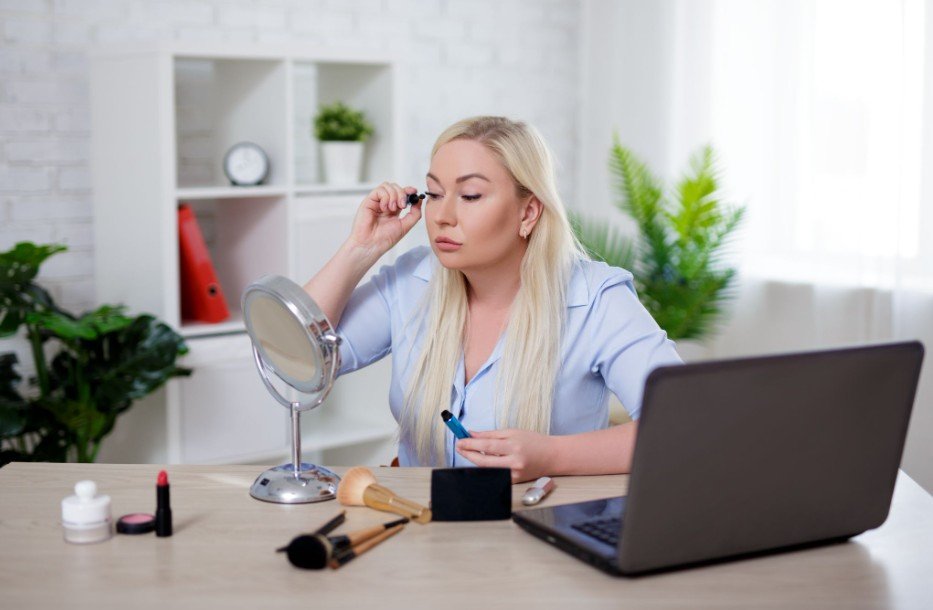
Thin layers consistently perform better for me than one heavy layer.
Long-wear formulas such as Maybelline Super Stay Lumi-Matte or Armani Luminous Silk can work for a long workday, but application matters just as much as the product itself. I use a dense brush or damp makeup sponge and press a small amount into the skin instead of repeatedly dragging product around the face.
I build extra coverage only where I actually need it.
This approach is especially useful for long-lasting makeup for work because there is less product available to crease, transfer, or separate as the day continues.
How Do You Stop Foundation From Separating During a Shift?
Foundation often separates because of oil, sweat, friction, incompatible skincare, or excessive layering.
I keep my base thin, avoid piling foundation around the nose and chin, and use setting powder only where I know I become shiny. The T-zone usually needs more control than the outer parts of the face.
This creates a more natural finish and helps the foundation wear down evenly instead of breaking apart suddenly.
Because the mouth moves constantly throughout the day, foundation can also separate around the upper lip, chin, and smile lines even when the rest of the base looks smooth. These tips on how to keep makeup from separating around the mouth explain how lightweight skincare, thin foundation layers, and strategic touch-ups can help maintain a more even finish throughout a long work shift.
How Should You Apply Concealer for a 12-Hour Shift?
I use concealer strategically rather than covering large areas.
The inner corners beneath the eyes usually need more brightness than the entire under-eye area. I also use small amounts directly on blemishes instead of adding another full layer of foundation.
When blending under-eye concealer, I can gently stretch the skin slightly to create a smoother surface and reduce the chance of product immediately settling into fine lines.
Afterward, I apply a very small amount of powder to areas that usually crease.
How Do You Keep Blush and Bronzer From Fading at Work?
Cheek color often disappears before foundation does.
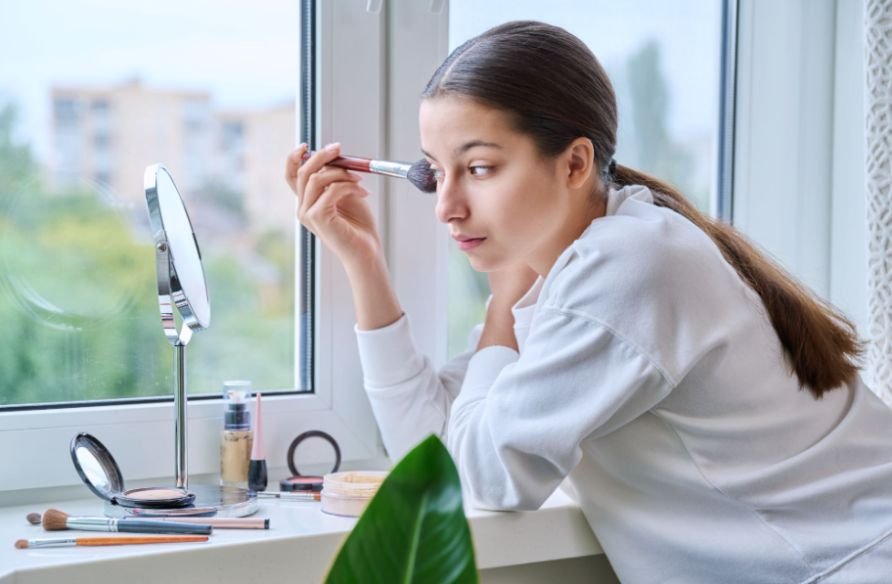
One technique that works well for long shifts is layering textures. I apply a thin amount of cream blush or cream bronzer first and then lightly set it with a coordinating powder formula.
The purpose is not to double the amount of pigment. It is to create two lightweight layers that fade more gradually.
For a faster morning routine, a long-wearing powder blush or bronzer can also work well on its own.
How Do You Stop Eye Makeup From Smudging All Day?

Eye makeup can quickly make a long workday visible.
Before eyeshadow, I sweep a thin layer of eye primer over the lids and let it set for roughly 30 seconds. That extra step can help reduce creasing, especially on oily eyelids.
I keep eye makeup fairly simple for work and rely on neutral shades that still look polished if they soften slightly during the day.
For mascara and eyeliner, waterproof or smudge-resistant formulas are usually more dependable during long hours. A tubing or waterproof mascara such as Hourglass Unlocked can be useful when humidity, sweat, or long wear tends to cause transfer.
Waterproof liner can also help prevent the outer corners from smudging by midday.
What Is the Best Setting Technique for All-Day Work Makeup?
One of the most useful longevity techniques is a light version of the setting “sandwich.”
After finishing my complexion base, I mist a small amount of long-wear setting spray over the face and let it dry. Then I apply a light layer of translucent or brightening powder to high-movement areas such as the under-eyes, forehead, nose, and chin.
Once everything is finished, I apply another light mist of setting spray.
This spray-powder-spray sequence can help the layers work together without requiring heavy powder everywhere.
I avoid saturating the face. Using too much setting spray can leave the base wet and potentially disturb products that have already started setting.
How Can Lip Makeup Survive Coffee and Lunch?
Lips are one of the hardest areas to keep completely untouched for an entire shift, so I choose formulas that fade gracefully.
I usually line the lips and lightly fill them in with pencil before adding lipstick, stain, or balm. For additional control, a small amount of residual powder around the lip line can help reduce feathering.
Long-wear liquid lipstick and lip stains usually provide more staying power than glossy formulas.
For everyday office makeup, I prefer colors close to my natural lip shade because fading looks less obvious after eating or drinking.
How Should Long-Wear Makeup Change for Different Jobs?
Different workplaces create different problems.
A long workday can also make it easy to overlook basic hand and foot care, especially when you spend hours standing, walking, or working in an office.
Along with choosing makeup that stays comfortable throughout the shift, following practical tips on how to keep beautiful hands and feet can help you maintain a neat, well-groomed appearance from morning until clock-out.
For office employees, dry HVAC air and long periods under indoor lighting can dehydrate the skin while still allowing the T-zone to become oily. I focus on balanced hydration, lightweight foundation, and strategic powder.
Healthcare workers may deal with masks, constant movement, and long 12-hour shifts. In that environment, I reduce base makeup around high-friction areas and rely more heavily on waterproof eye products.
Retail and hospitality workers often spend hours standing, talking, and moving between different temperatures. Transfer-resistant complexion products, durable brow gel, and long-wear lip color can help.
For outdoor or physically active jobs, sunscreen and sweat resistance matter more than achieving a full-coverage finish.
What Makes Work Makeup Break Down Faster?
The most common issue I see is simply too much product.
Heavy skincare, thick foundation, excessive concealer, repeated powdering, and too many layers can make makeup less flexible.
Friction also matters. Phones, glasses, masks, hands, and clothing gradually remove foundation throughout a shift.
I also try not to touch my face unnecessarily, because even long-wear formulas are not completely friction-proof.
Frequently Asked Questions
1. Can makeup really last through a 12-hour shift?
Yes, although it may not look exactly as fresh as it did at application. Thin layers, gripping primer, waterproof formulas, powder in targeted areas, and setting spray can help makeup remain polished for 10 to 12 hours.
2. Is powder or setting spray better for long shifts?
I use them for different purposes. Powder controls oil and movement in specific areas, while setting spray helps meld the layers together and improve overall wear.
3. What is the best makeup routine for oily skin at work?
I would use lightweight moisturizer, targeted gripping or mattifying primer, thin long-wear foundation, minimal concealer, strategic powder, and a final setting spray.
4. How do I prevent mascara and eyeliner from smudging?
Use eye primer, allow it to set before shadow, and choose waterproof or smudge-resistant mascara and eyeliner.
5. What is the best makeup for long work shifts without touch-ups?
I focus on lightweight skin prep, gripping primer where needed, thin foundation, minimal concealer, layered cheek products, waterproof eye makeup, strategic powder, and setting spray. The routine should match both your skin type and your workplace.
Final Takeaways
The biggest change in my long-wear routine was realizing that durability does not come from applying more makeup. It comes from applying the right amount in the right places.
I prepare my skin without making it slippery, create grip where foundation normally disappears, build complexion products in thin layers, prime the eyes, layer cheek products carefully, and use waterproof formulas where smudging is most likely.
I also use the spray-powder-spray setting method when I need extra staying power.
For me, makeup for long work shifts without touch-ups should still look comfortable and balanced at the end of the workday. It does not need to remain completely untouched at hour twelve. It simply needs to fade evenly, resist obvious separation, and keep me looking polished from the morning commute through clock-out.