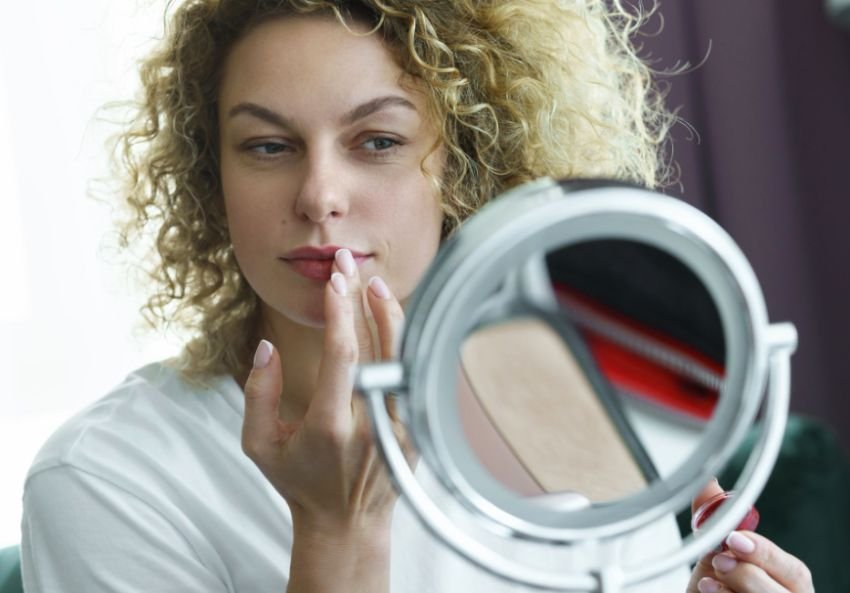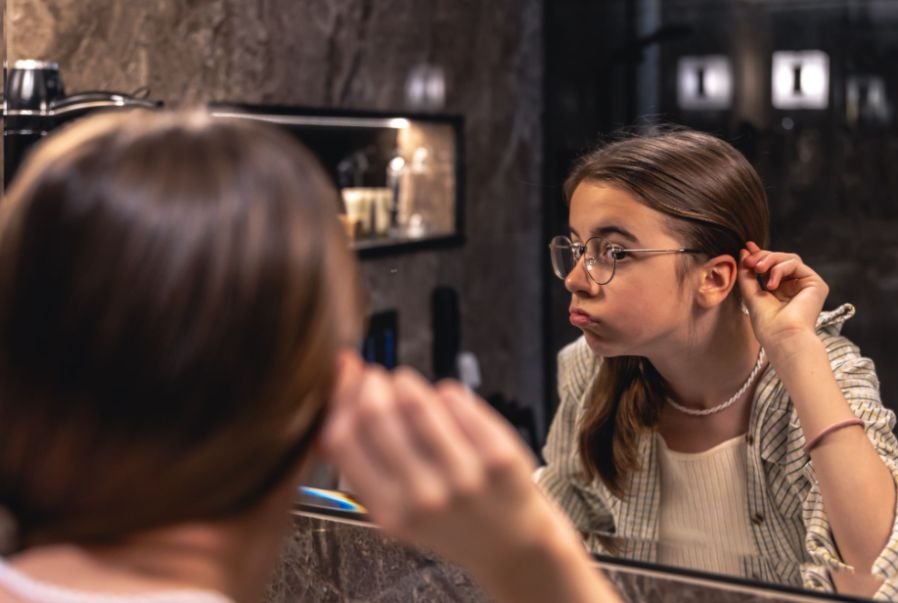
Nothing ruins a smooth foundation finish faster than taking off my glasses and finding two bare patches on the sides of my nose. I used to solve the problem by adding more foundation and powder, but that only gave my frames more makeup to disturb.
Once I understood how to stop foundation rubbing off under glasses, I changed my approach. Instead of building a thicker base, I started controlling oil, reducing product where my frames touch, and creating a drier surface between my skin and glasses.
The goal is not to make foundation physically indestructible. Glasses create pressure and friction all day. The real trick is giving them as little movable makeup as possible.
Why Does Foundation Rub Off Under Glasses?
Foundation usually comes off around glasses because of three factors: friction, pressure, and oil.
Every time glasses slide down the nose and get pushed back up, the nose pads move against the foundation. Sweat and natural skin oil make the surface even more slippery, allowing the frames to drag makeup away.
L’Oréal Paris similarly recommends controlling excess oil and sweat around the nose because they contribute to glasses slipping and foundation transfer.
Product thickness matters too. A heavy layer of moisturizer, sunscreen, primer, foundation, and concealer gives nose pads much more material to move.
That is why my routine focuses on thin layers rather than trying to build an armor-like coating of makeup.
How Should I Prep My Nose Before Wearing Foundation With Glasses?
I start by letting my morning skincare settle completely.
If moisturizer or sunscreen still feels wet or slippery, I wait before applying foundation. For particularly oily areas, I gently blot excess product from the sides and bridge of my nose.
Try Eye Primer on the Spots Where Your Glasses Sit

One of the most useful glasses makeup tricks is applying a very small amount of eye primer to the exact contact points.
Eyeshadow primers are designed to help pigment grip while controlling creasing and movement, which makes them useful on this high-friction area. A mattifying or gripping face primer can also work.
If I have dry or flaky skin, however, I avoid aggressively mattifying the entire nose. Too much oil control can make foundation crack or emphasize texture.
The goal is grip, not dehydration.
A little eye makeup can complement a polished foundation base without requiring heavy products around the nose. If I want a softer look for everyday wear, these soft smokey eyes for beginners offer inspiration for adding definition to the eyes while keeping the rest of my makeup balanced and understated.
Should You Use Less Foundation Around the Nose?
Yes. This is one of the most important changes I make.
Instead of adding fresh foundation directly to my nose, I apply my base everywhere else first. Then I use whatever product remains on my makeup sponge or brush to cover the nose lightly.
Vioda Makeup also recommends reducing or even skipping foundation where nose pads sit because less product gives the frames less makeup to transfer.
After blending, I turn to a cleaner section of my damp beauty sponge and firmly press it against the bridge and sides of my nose. This picks up unnecessary foundation without removing all the coverage.
If redness still shows, I use a tiny amount of concealer only where I need it.
Choosing the right shade is just as important as controlling how much foundation I apply around my glasses. These tips on how to choose the right foundation shade can help me find a natural-looking match, making any small touch-ups around the nose blend seamlessly with the rest of my makeup.
How Do You Set Foundation Where Glasses Sit?
Once the foundation layer looks even, I use translucent setting powder strategically.
Instead of sweeping powder loosely over my entire nose, I pick up a small amount with a powder puff and press it directly into the areas where my nose pads rest.
Pressing rather than rubbing helps avoid disturbing the foundation underneath.
For very oily skin or hot summer days, I may leave the powder in place briefly before brushing away the excess. I still avoid a thick layer because too much powder can create noticeable dry rings when the glasses press into the skin.
Use Setting Spray Only After the Powder Has Settled
I finish with a light mist of long-wear setting spray and let it dry completely.
I do not put my glasses back on while the spray is damp. Doing so can immediately transfer softened makeup onto the frames.
Setting spray helps the makeup layers work together, but I do not expect it to eliminate friction by itself.
Can You Put Setting Powder on Your Glasses Nose Pads?

This is a clever extra step if your nose pads constantly grab foundation.
I take a clean small brush or powder puff and apply the thinnest dusting of translucent powder directly to clean nose pads. The idea is to create a dry-on-dry contact point instead of allowing oily nose pads to press into freshly applied makeup.
I use very little powder because excess product can become visible or fall onto my clothes.
I also clean my glasses frequently. Nose pads naturally collect oil, sweat, skincare, and old makeup throughout the day, and putting dirty frames over fresh foundation makes transfer more likely.
How Should You Put Glasses On Without Ruining Foundation?
How I handle my glasses matters almost as much as my makeup routine.
I place my frames directly into position rather than sliding them down the bridge of my nose. When I remove them, I lift them away from my face instead of dragging them forward.
Sliding glasses repeatedly across foundation works almost like a tiny squeegee.
If my glasses continually slip even after controlling oil, I also consider the fit. Frames that are too loose create constant movement, while extremely tight frames can leave deeper dents.
An optician can often adjust frames so they sit more securely.
What Should You Do If Your Nose Gets Oily Under Glasses?
I never immediately add more powder to an oily nose.
First, I blot.
Blotting papers, a thin facial tissue, or a clean sponge can remove surface oil without forcing another layer of makeup onto an already slippery base. L’Oréal Paris recommends blotting excess oil before adding powder for this same reason.
Once the area feels less greasy, I gently press on a tiny amount of powder if necessary.
This helps prevent the cakey mixture that happens when loose powder combines with oil and partially broken-down foundation.
How Do You Fix Foundation After Glasses Have Rubbed It Off?
For midday foundation touch-ups, I avoid covering the bare patch immediately.
I first blot away oil and gently smooth the edges of the remaining makeup with a clean finger, sponge, or makeup puff.
Then I press a tiny amount of foundation or concealer onto the exposed skin. I blend outward instead of rebuilding the entire nose and finish with the smallest amount of setting powder.
When glasses leave bare patches around my nose, I focus on rebuilding only the coverage that has disappeared rather than layering more product over the entire area. The same principle applies when using simple concealer tips for dark circles: choosing the right amount of product and blending it carefully helps create a more natural, even finish.
This keeps the repair much less noticeable.
What If Makeup Looks Dry and Flaky Around Your Glasses?

Not every glasses makeup problem comes from excess oil.
If my foundation looks cracked around the nose, I reduce mattifying products and improve hydration instead. A heavy layer of setting powder over dehydrated skin can make nose-pad marks more visible.
I also avoid repeatedly adding foundation over flakes. Thin, flexible makeup usually survives pressure better than multiple dry layers.
Frequently Asked Questions
1. How to Stop Foundation Rubbing Off Under Glasses All Day?
Use a thin foundation layer around the nose, control excess oil, apply gripping or mattifying primer where appropriate, press setting powder into the contact points, let setting spray dry fully, and keep the nose pads clean. Properly adjusted frames can also reduce repeated rubbing.
2. Does Setting Spray Stop Glasses From Removing Foundation?
It can improve wear, but it cannot eliminate physical pressure and friction. I get better results when setting spray supports a thin, well-powdered base instead of relying on spray alone.
3. Should I Skip Foundation Under My Glasses?
You can. If the frames hide the exact contact points, leaving those areas almost bare is often more effective than fighting to keep a heavy layer of foundation intact.
4. Why Does Foundation Separate on My Nose Even With Primer?
Too much skincare, oil, sweat, incompatible layers, thick foundation, or repeated frame movement can still cause foundation separation. Primer helps with grip, but it cannot compensate for excessive product or poorly fitting glasses.
Final Takeaways
I used to assume glasses marks meant I needed stronger foundation. In reality, my biggest improvement came from using less.
A thin base, targeted eye or face primer, pressed setting powder, a fully dried setting spray, clean nose pads, and careful frame handling give me a much more dependable finish.
I also treat oily and dry skin differently instead of following one rigid makeup trick. If my nose becomes oily, I blot before powdering. If it becomes dry, I reduce mattifying layers rather than adding more.
Foundation and glasses will always involve some physical contact, so zero movement is difficult to guarantee. But once I started minimizing product and controlling friction instead of covering the area with more makeup, those obvious bare patches became much easier to prevent and repair.