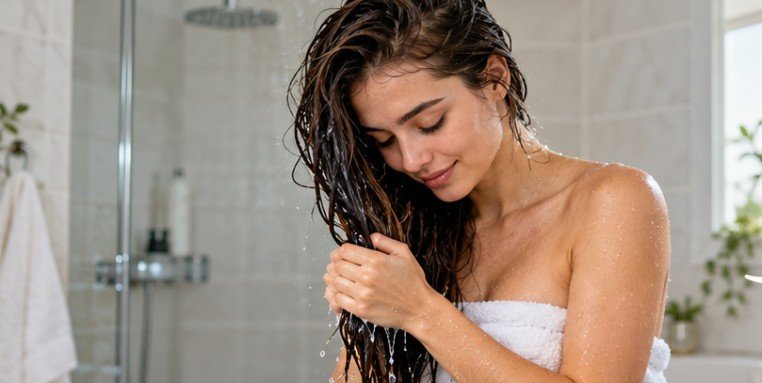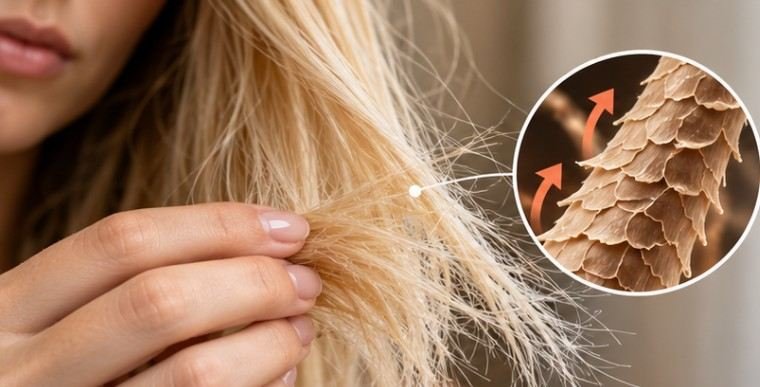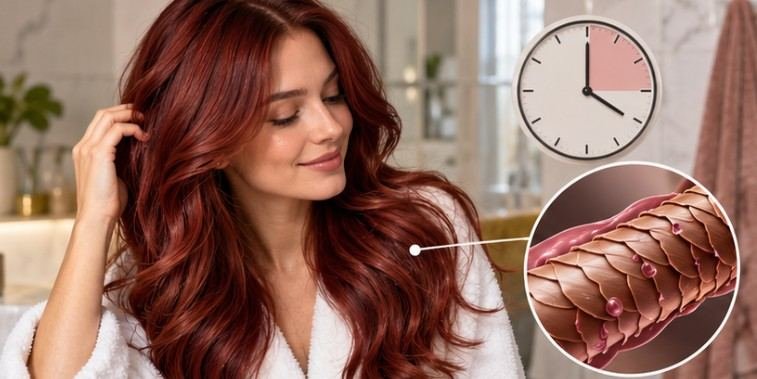
Hair color rarely fades because of one dramatic mistake. More often, pigment disappears little by little every time hair is washed, exposed to sunlight, heated, or coated with minerals from water.
That explains why learning how to make hair color last longer is less about buying one miracle product and more about reducing repeated stress on the hair fiber. A few changes—waiting before the first shampoo, lowering your water temperature, washing less frequently, managing hard water, and protecting hair outdoors—can make a noticeable difference between appointments.
The best routine also depends on whether your color is permanent, semi-permanent, red, brunette, pastel, highlighted, or heavily bleached.
Why Does Dyed Hair Fade in the First Place?
Permanent and semi-permanent dyes do not behave identically. Research published by the American Chemical Society explains that permanent oxidative dyes penetrate into the hair, while temporary and many semi-permanent colors depend more heavily on pigments deposited on or closer to the hair’s surface. That helps explain why direct dyes, fashion shades, and toners can disappear comparatively quickly with repeated shampooing. For a useful explanation of hair-dye chemistry, see the American Chemical Society’s review of hair dyes.
Washing matters regardless of dye type. One study examining 55 red hair dyes reported fading with washing, with significant color changes becoming apparent after repeated daily washing over three weeks. Another laboratory study found that combining shampooing with simulated light exposure produced more fading than either factor alone. In other words, color preservation is mostly about limiting cumulative exposure.
Give Fresh Color a Break Before Shampooing
After a salon appointment or at-home coloring session, resist the urge to shampoo immediately. Waiting roughly 48 hours before the first normal wash is a sensible rule for many permanent and semi-permanent colors, unless the color manufacturer or your stylist gives different instructions.
The common explanation that the cuticle simply “closes and locks the dye inside” after exactly 48 hours is an oversimplification. Hair chemistry is more complicated than that. Still, avoiding an unnecessary shampoo immediately after coloring reduces one of the earliest opportunities for loose pigment to wash away. After that first wash, frequency becomes even more important.
Aim for Fewer Shampoo Days
For many people, two or three shampoos per week is a practical target. Someone with an oily scalp, heavy workouts, scalp disease, or substantial product buildup may need to wash more often.
Dry shampoo can help extend time between washes, but it should not replace proper scalp cleansing indefinitely. The goal is not dirty hair. It is simply avoiding unnecessary wash cycles.
Turn Down the Shower Temperature
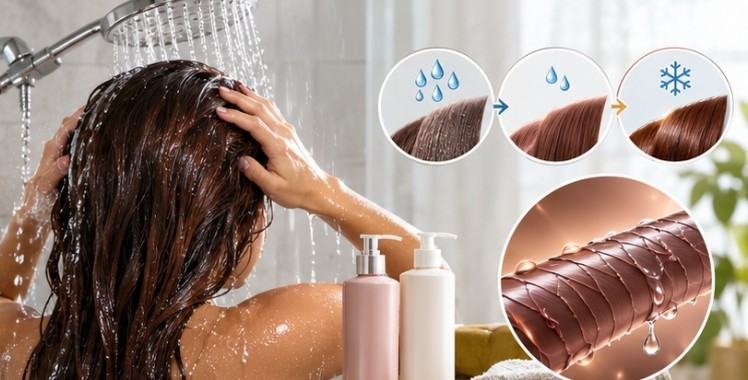
A steaming shower may feel great, but extremely hot water is unnecessary for cleaning color-treated hair. Use lukewarm water during shampooing and conditioning. A cooler final rinse is fine if you enjoy it, although you do not need painfully cold water to protect color. What matters most is reducing prolonged exposure to very hot water while also limiting excessive shampooing.
Choose Shampoo Based on Cleansing Strength, Not Marketing
“Color-safe” is useful shorthand, but the front label should not be your only criterion. Look for a shampoo that cleans your scalp without leaving colored hair squeaky, rough, tangled, or unusually dry. Gentler surfactant systems are often helpful for frequently colored or bleached hair.
Sulfate-free products work well for many people, but sulfate-free does not automatically mean mild, and a shampoo containing sulfates is not automatically destructive. Formula strength, concentration, washing frequency, hair porosity, and the other ingredients matter too. Condition every wash, concentrating especially on the mid-lengths and ends.
Hard Water Can Make Colored Hair Look Duller
Water quality deserves more attention than it usually receives. The U.S. Geological Survey defines hard water primarily by its dissolved calcium and magnesium content. Water above 180 mg/L as calcium carbonate is categorized as very hard. The USGS also notes that mineral-rich water interacts differently with cleaning products and can contribute to residue.
Read the USGS explanation of water hardness if you want to check how hardness is measured. For colored hair, buildup can make strands look less reflective or alter how clean and bright the shade appears. Iron and other metals may create additional problems in some water supplies.
If your faucets develop mineral scale and your hair repeatedly feels coated after washing, consider checking your local water report before assuming your shampoo is responsible. Our guide to hair care with hard water explains additional ways to manage mineral exposure.
A shower filter may help with certain contaminants, but be realistic: not every inexpensive filter truly softens hard water. Genuine water softening requires removal or exchange of hardness minerals.
Heat Styling Adds Stress to Already Processed Hair
Bleached and permanently colored hair has already undergone chemical processing. Repeated high-temperature styling adds another source of stress.
Air-dry when practical. If you use a blow-dryer, flat iron, curling iron, or heated brush, use the lowest temperature that produces the result you need and apply a suitable heat-protectant product.
Healthy-feeling hair also holds a polished appearance better. Once the cuticle becomes rough and porous, color can appear dull even before a dramatic amount of pigment has disappeared.
The Sun Really Can Change Hair Color
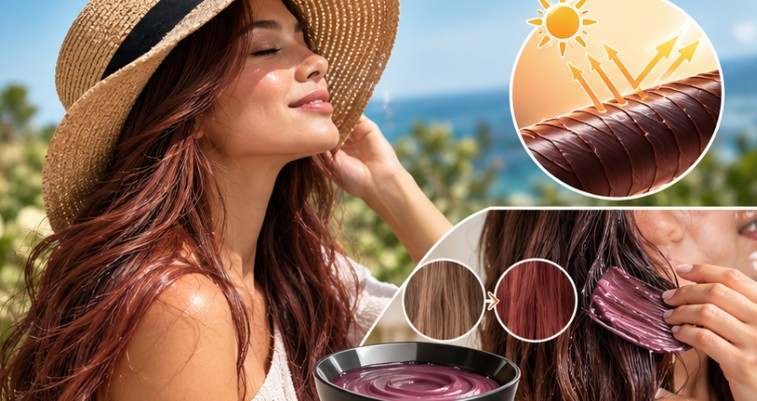
UV protection is not just skincare advice. Research on human hair has found that sunlight and ultraviolet radiation can cause measurable color changes and protein damage. One study reported stronger color changes in lighter hair, while UVA exposure was particularly associated with color alteration. You can review the findings through the National Library of Medicine’s hair and UV research database.
The American Academy of Dermatology similarly warns that sunlight can leave colored or chemically treated hair faded, dry, rough, and brittle. It recommends physical protection such as a wide-brimmed hat. This becomes especially relevant during beach vacations, outdoor sports, summer road trips, and long days around pools.
Protect Color Before Swimming
Chlorinated pools combine several things colored hair dislikes: prolonged water exposure, chemicals, sunlight, and repeated washing afterward.
The American Academy of Dermatology recommends protecting vulnerable colored or highlighted hair before swimming and rinsing promptly afterward. A swim cap provides the strongest physical barrier; leave-in conditioner can provide another protective layer when a cap is impractical.
Saltwater deserves similar attention because repeated wetting and drying can leave already processed hair feeling rough. Wet your hair with clean water before swimming, minimize soaking when possible, and rinse promptly afterward.
Refresh the Tone Instead of Re-Dyeing Everything
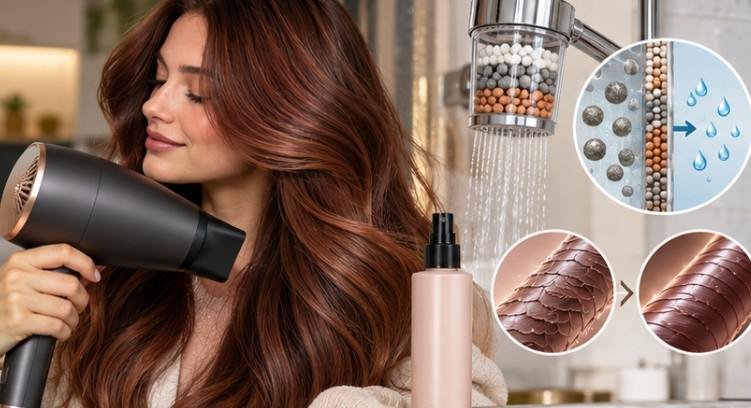
Sometimes hair has not truly lost all its color; its tone has shifted. Blondes may become yellow, brunettes can develop warmth, and reds or coppers may lose intensity. A shade-appropriate toning shampoo, gloss, or color-depositing conditioner can temporarily restore the appearance without repeating a full permanent-color process.
Do not overuse highly pigmented toners. Purple, blue, red, and copper products can build up unevenly on porous sections. Start conservatively and follow the product directions.
Match Expectations to the Type of Hair Color
There is no single maintenance schedule that works for everyone. Temporary and direct pigments generally wash away faster because they rely more heavily on surface deposition. Permanent oxidative color penetrates more deeply, although the visible tone can still shift from washing, sunlight, damage, new growth, and environmental exposure.
Harvard Health offers additional background on permanent, semi-permanent, and temporary hair dyes. Pastels, vivid reds, coppers, and certain fashion colors usually demand stricter maintenance than darker neutral shades. Highly bleached hair can also behave unpredictably because increased porosity may cause some sections to absorb pigment quickly yet release it faster later.
FAQs
1. How long should I wait to wash my hair after coloring it?
Around 48 hours is a practical target for many colors. Always follow your stylist’s or dye manufacturer’s specific aftercare instructions if they differ.
2. How often should colored hair be washed?
Two or three times weekly works for many people, but scalp type, exercise, texture, and product buildup may require more frequent washing.
3. Does cold water make hair dye last longer?
You do not need icy water. Lukewarm rather than very hot water is the more practical strategy for reducing unnecessary stress during washing.
4. Can faded hair color be refreshed without dyeing it again?
Often, yes. Color-depositing conditioners, glosses, and shade-specific toners can restore tone temporarily, although they cannot replace permanent color when significant regrowth is present.
Make Every Wash Count
Learning how to make hair color last longer ultimately comes down to controlling repetition. One hot shower will not destroy a salon color, just as one afternoon outside will not instantly erase it. The problem is the accumulation of washing, UV exposure, mineral buildup, chlorine, heat styling, and unnecessary chemical processing.
Start with the highest-impact changes: postpone that first shampoo, wash only when necessary, use lukewarm water, protect your hair from intense sun and swimming, and investigate hard water if dullness keeps returning.
The goal is not to preserve color forever. It is to make every appointment—or every box of dye—work harder before the next refresh.