I find cooking for myself easier when I stop treating every dinner as a separate project. A bag of spinach, cooked rice, and a few protein options can become several satisfying meals without leaving my refrigerator crowded with forgotten ingredients.
Learning how to prepare balanced meals when cooking for one starts with a flexible system: build a varied plate, buy ingredients with multiple uses, and save extra portions intentionally. You do not need elaborate recipes or an entire Sunday devoted to meal prep.
Start With a Simple Balanced Plate
A practical starting point is to fill roughly half your plate with vegetables and fruit, one quarter with protein, and one quarter with grains or another starchy food. Adjust portions to your appetite, activity, and individual needs.
Think chicken, brown rice, and roasted broccoli, with fruit alongside. Vegetarian options might combine tofu, quinoa, and mixed vegetables. Include some unsaturated fat through olive oil, nuts, seeds, or avocado.
Dairy or a fortified alternative can help round out your day. Balance develops across your eating pattern; every dinner does not need to contain every food group.
Plan Around Your Actual Week
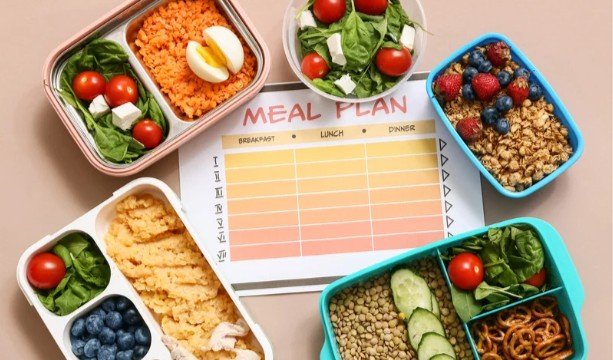
Check your pantry, refrigerator, and freezer before making a grocery list. Then identify how many meals you will realistically eat at home. A late meeting, dinner invitation, or travel day changes what you need.
Start with three planned dinners instead of seven complicated recipes. Leave room for leftovers, a freezer meal, and changing preferences.
Choose ingredients that appear in several dishes. Spinach works in wraps, eggs, and grain bowls. Black beans can become taco filling, a salad topping, or part of a quick soup. This overlap keeps shopping manageable without making every meal identical.
Shop for What You Will Finish
Loose produce lets you buy one potato or two apples instead of a large bag. At the meat or seafood counter, ask for the amount you need. Compare unit prices, but remember that a cheaper package costs more if half gets discarded.
Frozen vegetables, berries, and individually portioned proteins are practical choices because you can remove only what you need. Canned beans, tomatoes, and fish also make useful pantry staples.
Choose lower-sodium options when available and compare labels. Convenience foods, including microwaveable grains and washed greens, can be worthwhile when they help you follow through.
Turn One Grocery List Into Three Dinners
For three flexible dinners, buy a microwaveable brown rice pouch, one can of black beans, frozen broccoli, a bell pepper, baby spinach, whole-wheat tortillas, and plain Greek yogurt. Add salsa, olive oil, and seasonings from your pantry.
Dinner One: Black Bean Rice Bowl
Combine warmed brown rice with black beans, broccoli, and chopped pepper. Add salsa and a spoonful of yogurt. Let vegetables occupy a generous share of the bowl, and adjust the rice and beans until the meal feels satisfying.
Dinner Two: A Vegetable and Bean Wrap
Fill a whole-wheat tortilla with beans, spinach, and sautéed pepper. Add yogurt mixed with salsa as a quick sauce. Serve extra broccoli alongside rather than expecting a few leaves inside the wrap to supply all your vegetables.
Dinner Three: A Quick Rice Skillet
Warm the remaining planned portions of rice and beans with broccoli and spinach. Change the flavor with garlic, smoked paprika, or lemon. Add an egg or tofu if you want another protein option.
Refrigerate opened ingredients promptly, follow package directions, and schedule these dinners within their safe storage windows. Freeze portions you will not use soon.
Prep Components Instead of Identical Meals
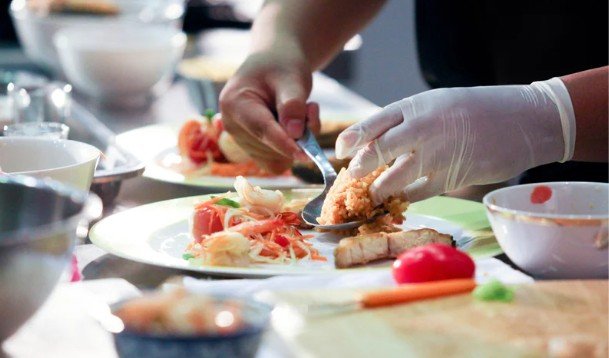
Wash greens, chop a pepper, and prepare a grain ahead of time. Keeping components separate makes it easier to change textures and flavors throughout the week.
Allow around 20–30 minutes for a small preparation session, depending on your recipes. You might roast vegetables while grains cook, then divide everything into suitable containers.
Keep a small saucepan, skillet, microwave-safe bowl, and freezer containers within reach. A full collection of specialty appliances is unnecessary.
Choose When to Scale Down or Cook Extra
Cut a four-serving recipe in half when you want dinner and tomorrow’s lunch. Divide ingredient measurements carefully and use appropriately sized cookware. Smaller batches may cook faster, so check doneness rather than blindly following the original time.
Soups, chili, and cooked grains often suit batch preparation and make it easier to support your health while working from home. Freeze extra servings individually so you can retrieve one meal without thawing everything.
For variety, exchange a portion with a friend when dietary preferences and food handling arrangements work for both of you. Sharing dinner occasionally can also make cooking feel more rewarding.
Store Leftovers With a Clear Plan
Refrigerate perishable food within two hours, or within one hour when temperatures exceed 90°F. Divide larger amounts into shallow containers for quicker cooling.
Keep your refrigerator at 40°F or below. Label containers with their contents and dates, and generally use cooked refrigerated leftovers within three to four days.
Freeze extras before that window passes. Reheat leftovers to 165°F, checking several places with a food thermometer. Reheat only the portion you intend to eat.
Frequently Asked Questions
1. What is the easiest way to learn how to prepare balanced meals when cooking for one?
Start with one familiar protein, a generous vegetable portion, and a grain or potato. Repeat that structure while changing ingredients.
2. Can I make balanced meals without much cooking?
Yes. Combine canned beans, washed greens, whole-grain toast, and an olive oil dressing, or assemble a similar meal using convenient ingredients.
3. How do I avoid getting bored with leftovers?
Store components separately and change sauces, seasonings, or serving formats. Freeze an extra portion when you want a break.
Make Your Next Meal Easier
I would begin with three dinners and ingredients I already enjoy. A realistic plan, one simple, dependable backup meal, and clearly labeled leftovers make cooking feel manageable. Feeding myself well becomes easier when the routine fits my own daily life.