
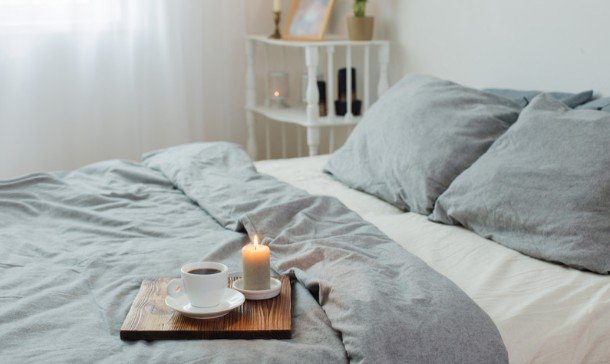
I want my bedroom to feel welcoming when I turn out the lights, with bedding that feels comfortable and fewer distractions competing for my attention. When I consider how to make your bedroom more comfortable for sleep, I start with everyday discomforts: trapped heat, streetlights, scratchy sheets, or noise from the hallway.
You don’t need a designer bedroom or an expensive mattress to start improving your space. A few targeted adjustments can make it feel more restful. The goal is to identify what bothers you most, address that first, and build a setup that suits your preferences.
What Is Making Your Bedroom Uncomfortable at Night?
Before buying anything, spend a few minutes in your bedroom around your usual bedtime. Turn off the overhead light and notice what you hear, see, and feel.
Perhaps your comforter traps heat, headlights sweep across the wall, or your pillow leaves your neck tilted. A laptop beside the bed might remind you of unfinished work.
Choose the biggest irritation first. Changing one thing at a time also makes it easier to recognize what helps.
How Can You Find a Comfortable Bedroom Temperature?
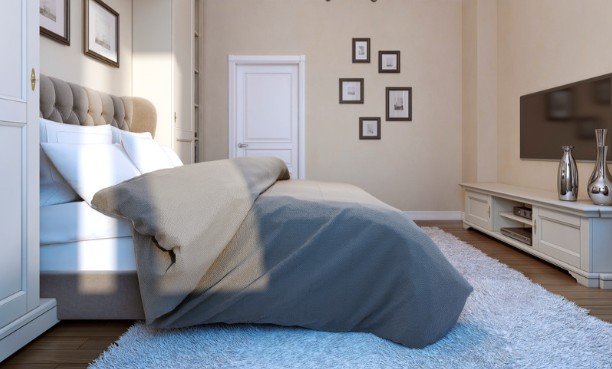
A comfortably cool bedroom generally supports sleep, but you don’t need to force yourself to tolerate a thermostat setting that leaves you shivering.
For many adults, 60–67°F is a useful starting range. Adjust gradually based on your comfort, bedding, and sleepwear. Someone under a heavy comforter may feel warmer than someone using a lightweight blanket at the same temperature.
What If You Cannot Control the Thermostat?
Use lighter bedding layers that you can remove easily. A fan can improve airflow, while closing blinds during sunny afternoons may help limit heat buildup.
Keep furniture away from heating and cooling vents. If you open windows, consider outdoor noise, pollen, air quality, and security first.
How Can You Make Your Bedroom Darker?
Streetlights, hallway lighting, and early sunrise can make a bedroom feel less restful. To help maintain healthy habits while traveling, pack a comfortable eye mask as a simple alternative when blackout curtains are unavailable.
Check for light leaking around curtain edges. Positioning curtains so they extend beyond the window frame can help cover those gaps.
Before bedtime, switch from bright overhead lighting to a dim bedside lamp. Move glowing electronics out of your direct line of sight, without covering anything that requires ventilation.
Keep a clear route to the bathroom. If you need nighttime lighting for safety, choose a dim light positioned low and away from your face.
What Can You Do About Disruptive Bedroom Noise?

Start with sounds you can control. Silence unnecessary phone alerts, turn off the television, and ask household members to keep conversations quieter near your bedroom.
In an apartment, moving your bed away from a shared wall may reduce some disturbances. Rugs and soft furnishings can reduce room echo, although they won’t soundproof the space.
A fan or low-volume sound machine may help mask unpredictable noise. Keep the sound comfortable and make sure you can still hear important alarms.
Earplugs are another option when appropriate, provided they don’t prevent you from hearing something you need to respond to overnight.
How Can You Make Your Bed More Comfortable?
When deciding how to make your bedroom more comfortable for sleep, check your existing bedding before replacing the mattress.
Notice whether your sheets feel rough, your blanket feels too heavy, or your pillow pushes your head into an awkward position. These smaller problems may have simpler solutions.
Does Your Pillow Suit Your Sleeping Position?
Your pillow should support your head and neck comfortably. Side sleepers often need enough height to fill the space between their head and mattress, while back sleepers may prefer less loft.
Treat these as starting points rather than fixed rules. Your body shape and mattress also affect what feels supportive.
Which Bedding Changes Should You Try First?
Choose sheets that feel pleasant against your skin and blankets that let you adjust warmth easily. Breathable cotton is one option, but personal preference matters more than a luxury label or impressive thread count.
A topper may change surface comfort, but it won’t repair a sagging mattress or damaged foundation.
How Can Cleaning and Layout Make Your Room More Relaxing?

Wash bedding according to its care instructions, dust nearby surfaces, and vacuum regularly, especially if dust triggers your allergies. Address moisture problems instead of covering musty odors with fragrance.
You don’t need a perfectly minimalist room. Clear the nightstand, put laundry away, and leave enough floor space to move safely.
Meaningful photos or familiar artwork can make the room feel welcoming. Choose details you enjoy rather than following a particular decorating trend.
If your bedroom doubles as a home office, close the laptop and put work materials in a drawer or basket before bed.
What If You Share a Bedroom?
Partners may prefer different temperatures, bedding weights, or levels of darkness. Separate blankets can make adjustments easier without changing the entire room.
A personal eye mask, individual reading light, or different pillow may solve a specific disagreement. Discuss noise and device use before bedtime so you can agree on practical boundaries.
Keep the setup consistent with a short evening reset: put work away, lower the lights, adjust bedding, and silence unnecessary notifications.
Frequently Asked Questions
1. What is the cheapest way to learn how to make your bedroom more comfortable for sleep?
Start with free changes: remove distracting clutter, adjust existing bedding, reduce light, and silence unnecessary notifications. Address your biggest discomfort before buying products.
2. Do I need blackout curtains to sleep comfortably?
No. An eye mask may be enough, depending on your preferences and how much light enters the room.
3. Can a comfortable bedroom fix persistent insomnia?
Bedroom improvements can support sleep, but persistent insomnia may require treatment. Speak with a healthcare professional if sleep problems continue or affect daytime functioning.
A More Restful Room Starts Small
I would begin with one change tonight, whether that means swapping a heavy blanket, moving my phone, or blocking a light leak. Then I would adjust the next thing that still feels uncomfortable.
A restful bedroom should suit your body, household, and budget. Give yourself permission to experiment until the space feels easier to settle into.