
A stressful workday doesn’t always end when I shut down my computer. Sometimes, the pressure of deadlines, endless emails, and back-to-back meetings follows me home, leaving me mentally exhausted even when I finally have time to relax. I’ve realized that the hardest part isn’t finishing work—it’s convincing my mind that the workday is actually over.
That’s what pushed me to explore natural ways to reduce stress after work without relying on expensive spa treatments or complicated self-care routines. From taking a short walk to practicing calming breathing exercises, I’ve discovered that even small changes can make my evenings feel more peaceful.
Whether I’m dealing with a demanding schedule or simply struggling to disconnect, these practical habits help me release tension, recharge my energy, and enjoy my personal time again.
Why Is It Difficult to Relax After a Stressful Workday?
Work stress doesn’t automatically disappear when the workday ends. Tight deadlines, constant notifications, challenging conversations, and long hours at a desk can leave you feeling mentally exhausted and physically tense.
Your body’s stress response may also remain elevated after demanding situations, making relaxation more difficult.
I’ve noticed that jumping directly from work into household responsibilities often leaves me feeling overwhelmed. Creating a clear transition between professional and personal time helps me manage this mental overload.
What Are the Best Natural Ways to Relieve Stress After Work?
If you’re wondering how to reduce stress after work naturally, these practical techniques can help you create a calming evening routine without expensive treatments or complicated lifestyle changes.
1. Create a Clear End-of-Work Shutdown Ritual
I begin by closing unnecessary browser tabs, organizing my workspace, and writing down tomorrow’s priorities.
Silencing work notifications and putting my laptop away helps establish a digital boundary.
Changing into comfortable clothes or taking a warm shower also provides a physical reminder that the workday has ended. These simple actions make it easier to shift into personal time.
2. Take a 10-Minute Fake Commute Walk
Working from home eliminates the physical journey between the office and home, which can make switching off more challenging.
I like taking a short neighborhood walk after finishing work because it recreates that transition.
Even 10 minutes outdoors can offer a refreshing mental break. Walking also supports physical activity and may improve mood.
For office commuters, a short walk after arriving home can provide similar benefits.
3. Practice Diaphragmatic Breathing
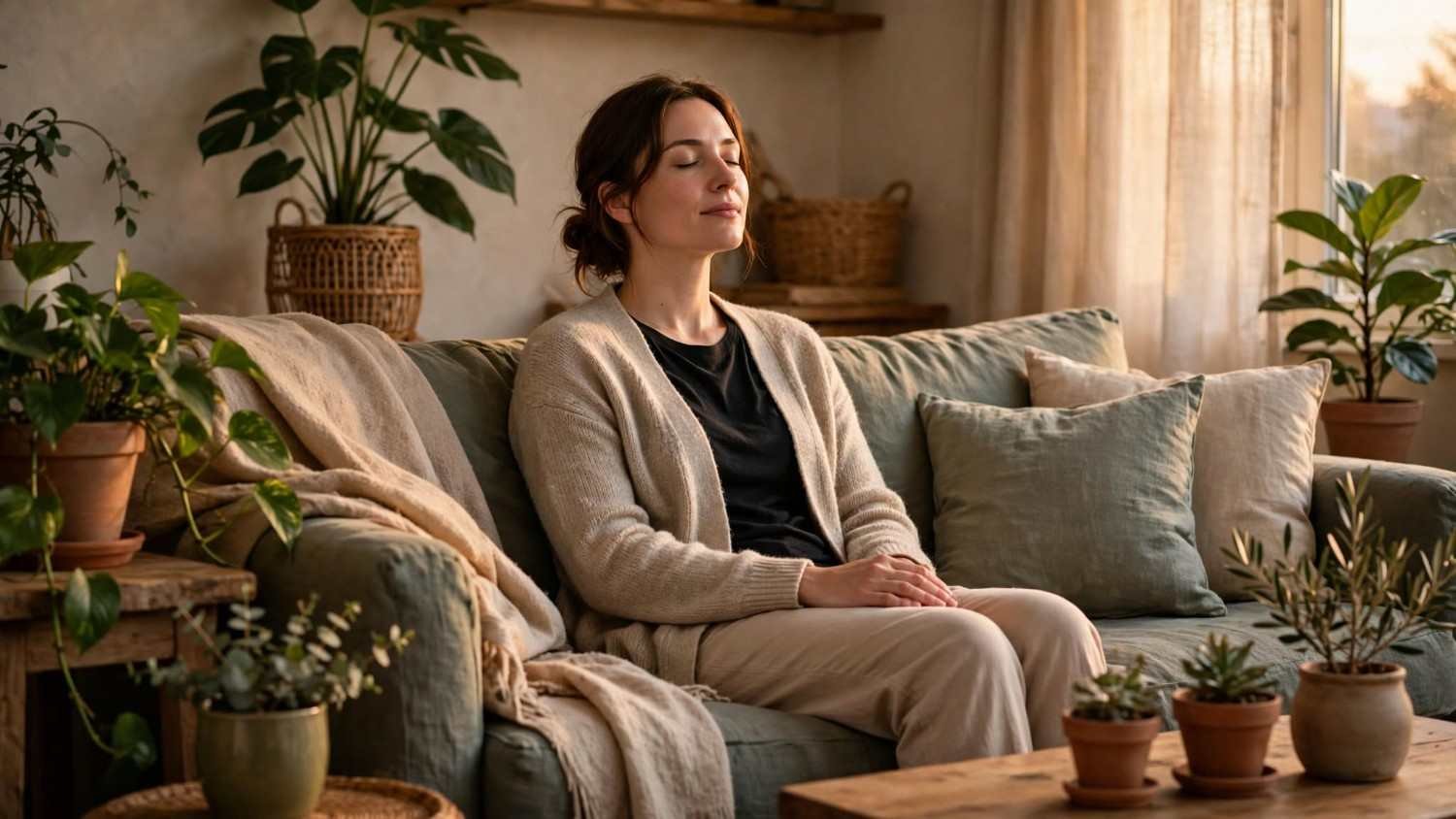
Slow breathing is one of my favorite stress-relief activities at home because it requires no equipment.
I sit comfortably, place one hand on my abdomen, and breathe gently through my nose, allowing my belly to rise. Then I exhale slowly and naturally.
Practicing diaphragmatic breathing for two to five minutes may encourage the body’s relaxation response and help ease feelings of tension.
4. Release Tension With Gentle Movement
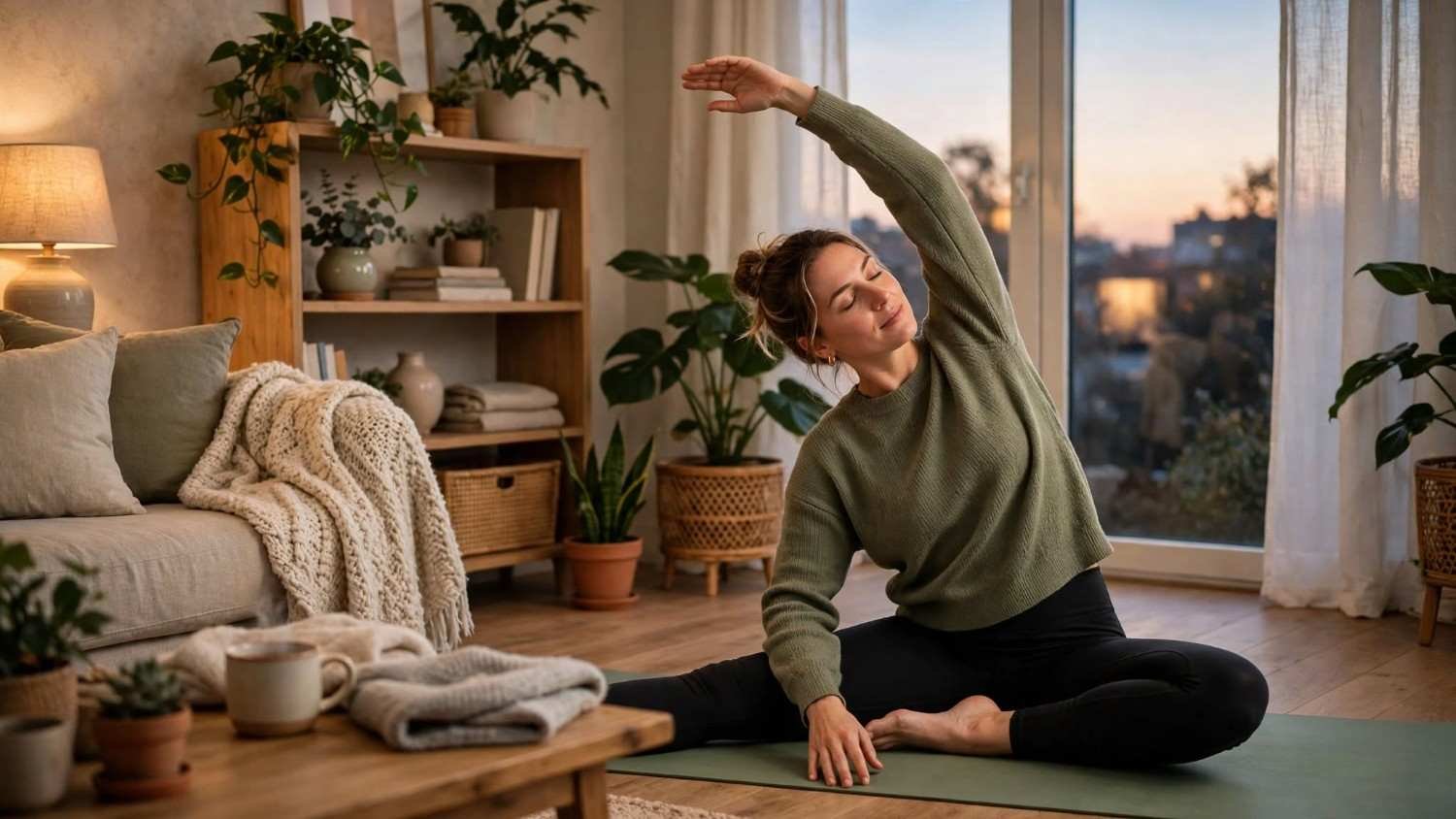
After sitting at a desk for hours, my shoulders, neck, and back often feel stiff.
Gentle stretching, yoga, or a relaxed walk helps reduce that discomfort while giving my mind a break.
I usually spend 10–15 minutes moving without worrying about exercise intensity.
Regular physical activity also supports emotional well-being, making light movement a valuable part of an after-work relaxation routine.
5. Try Progressive Muscle Relaxation
Progressive muscle relaxation helps me notice physical tension that I might otherwise ignore.
I gently tighten one muscle group for a few seconds, release it, and notice the difference between tension and relaxation.
Starting with my hands and shoulders, I gradually move through other muscle groups toward my feet.
This technique can be particularly helpful when workplace stress causes tight shoulders or general restlessness. I avoid tensing any painful or injured areas.
6. Take a 20-Minute Break From Screens
Constantly switching between emails, social media, and news updates can make it difficult to mentally disconnect.
I try to schedule 20–30 minutes of screen-free downtime after work.
Instead of scrolling, I might read a book, sit outside, or simply enjoy a quiet room.
Reducing unnecessary digital stimulation gives me an opportunity to relax without introducing another stream of information.
7. Listen to Calming Music
Music is an easy way to create a more peaceful evening atmosphere.
I enjoy soft instrumental playlists, acoustic music, or gentle nature sounds while preparing dinner or relaxing on the couch.
Listening to enjoyable music may help improve mood and reduce perceived stress.
Sometimes I combine music with stretching or deep breathing for a more relaxing experience.
8. Write Down Lingering Work Thoughts
When unfinished tasks keep circulating in my mind, I spend five minutes writing them down.
This simple brain-dump exercise allows me to organize responsibilities without repeatedly thinking about them.
I usually identify what needs attention tomorrow and what can wait.
Journaling also provides space to recognize positive experiences instead of focusing exclusively on stressful moments.
9. Enjoy Quality Time With Loved Ones
Spending time with supportive people helps me shift my attention away from work.
A casual conversation with family, dinner with friends, or playing with a pet can make an evening feel more enjoyable.
I also find that simple activities like cooking together or taking an evening walk create opportunities for meaningful connection.
10. Make Time for Relaxing Hobbies
Enjoyable hobbies provide a healthy distraction from professional responsibilities.
Reading, gardening, baking, painting, or playing music gives me something personally rewarding to focus on.
I prefer activities without deadlines or performance expectations.
Even 15 minutes of creative time can make my evening feel more fulfilling.
11. Eat a Balanced Dinner and Stay Hydrated
Skipping meals or relying heavily on caffeine can make stressful days feel more challenging.
I try to prepare balanced dinners containing vegetables, whole grains, and protein.
Simple meals like grilled chicken with brown rice or vegetable soup with whole-grain bread provide convenient options.
Drinking enough water and limiting late-day caffeine also support healthy daily routines. I avoid using alcohol as a regular way to cope with stress because it can interfere with sleep.
12. Establish a Calming Bedtime Routine
Quality sleep supports emotional recovery and helps prepare the body for another workday.
I gradually dim the lights, avoid unnecessary work messages, and choose relaxing bedtime activities.
Reading, gentle stretching, or taking a warm bath can help create a peaceful environment.
Maintaining consistent sleep and wake times is especially helpful. Most adults should aim for at least seven hours of sleep.
How Can You Decompress After Work in Just 15 Minutes?
When my schedule feels overwhelming, I follow a simple 15-minute evening reset.
For the first five minutes, I close work applications, silence notifications, and practice slow breathing.
During the next five minutes, I walk around or stretch gently to ease physical tension.
For the final five minutes, I put away my phone, enjoy calming music, or sit quietly.
This short routine helps me separate work responsibilities from personal time without adding another demanding task to my schedule.
Which Evening Habits Can Make Work Stress Worse?

Certain habits can interfere with relaxation, even when they seem comforting.
Late-night caffeine, excessive alcohol, constant work notifications, and endless social media scrolling may contribute to poor sleep or continued mental stimulation.
I’ve found that maintaining reasonable boundaries and choosing relaxing activities makes my evenings more restorative.
If workplace stress regularly affects your sleep, relationships, concentration, or health, consider speaking with a healthcare professional. Persistent exhaustion and emotional detachment may also indicate burnout.
Frequently Asked Questions (FAQs)
1. What Is the Fastest Natural Way to Relax After Work?
Slow breathing, gentle stretching, and a short outdoor walk are convenient ways to reduce tension. I find that combining these activities with a clear shutdown ritual makes relaxation easier.
2. How Can I Stop Thinking About Work After Hours?
Writing down tomorrow’s priorities, silencing work notifications, and enjoying screen-free activities can help create mental distance from professional responsibilities.
3. Does Walking for 10 Minutes Help Reduce Work Stress?
Yes. A short walk provides gentle physical activity, offers a change of environment, and may improve mood after a demanding day.
4. How Can I Reduce Stress After Work Naturally Every Day?
Start with manageable habits such as a 10-minute walk, five minutes of deep breathing, and consistent bedtime preparation. Repeating a few realistic activities is often more sustainable than following an elaborate routine.
Final Thoughts: Reclaim Your Evenings With Simple Habits
I’ve learned that relaxing after work doesn’t require a perfect schedule, expensive wellness products, or hours of free time. What matters most is creating small moments that allow my mind and body to recover. Even simple habits, like changing out of my work clothes, can help me mentally switch off. While exploring comfortable work-from-home outfits for women, I’ve realized how choosing the right clothing can make the transition from a busy workday to a relaxing evening feel easier.
Some evenings, a quiet walk and a warm shower are enough. On busier days, I might only have five minutes for breathing exercises or journaling. Both approaches help me establish healthier boundaries between work and personal life.
By making relaxation a regular part of my routine, I can enjoy calmer evenings, protect my well-being, and approach the next workday feeling more prepared.