I can usually tell when my skin needs more than another layer of moisturizer. It starts looking flat in photos, makeup sits differently, and the natural brightness I expect just seems to disappear. That tired appearance can come from dehydration, dead skin buildup, uneven texture, sun exposure, poor sleep, or a combination of several factors.
That is where spa treatments for dull, tired skin can make a noticeable difference. Instead of relying on one generic “glow facial,” I prefer treatments that target the specific reason the complexion looks lackluster. Some focus on replenishing moisture, others remove stubborn surface buildup, and more advanced options address uneven tone or visible sun damage.
The real goal is not to chase a temporary shine. It is to choose a treatment that helps the skin look smoother, fresher, and more naturally radiant while still respecting its sensitivity and overall condition.
What Is the Best Facial for Dull and Tired Skin?
There is no single facial that works best for everyone. I would choose according to whether my biggest concern is dehydration, rough texture, clogged pores, uneven pigmentation, or simply wanting a quick pre-event glow.
A traditional spa facial may be enough for mild dehydration and surface dullness. More persistent pigmentation, sun damage, or texture concerns may justify a consultation at a medical spa or dermatologist’s office.
1. Is a HydraFacial Good for Dull, Dehydrated Skin?
HydraFacial and similar hydrodermabrasion treatments are popular because they combine several steps in one appointment. A specialized handheld device cleanses and exfoliates the skin, removes debris through suction, and delivers hydrating topical solutions. CareCredit describes HydraFacial as a multistep facial focused on cleansing, exfoliation, and hydration, while the official HydraFacial treatment system also incorporates exfoliation, extraction, customized peels, and hydration.
I would consider this treatment when my skin feels dehydrated, congested, rough, or generally lackluster. The experience is typically gentle, with the device moving across the skin while delivering fluid and suction.
For many people, there is little recovery time, although temporary redness or blotchiness can occur.
2. Can a Superficial Chemical Peel Brighten Dull Skin?
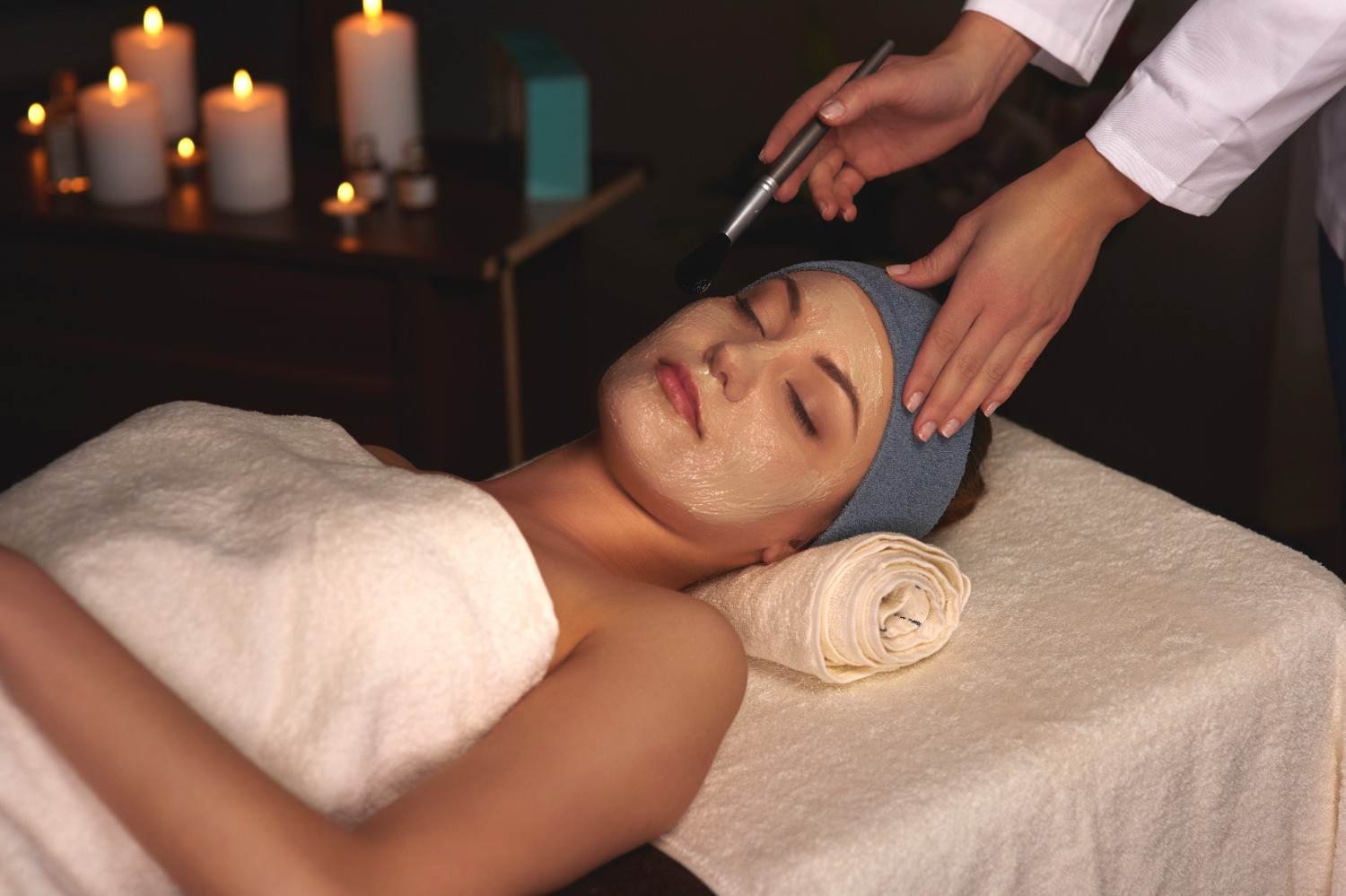
A superficial chemical peel is particularly useful when dead-cell buildup, roughness, uneven tone, or mild sun damage contributes to dullness.
Professional peels may use alpha-hydroxy acids such as glycolic or lactic acid to exfoliate the outer layers of the skin. The American Academy of Dermatology notes that chemical peels can improve a dull complexion, uneven skin color, rough-feeling skin, discoloration, and signs of sun damage.
During a light peel, I would expect some tingling or warmth. Recovery varies considerably by peel strength. Even lighter dermatologist-performed peels can involve redness or scaling, so this is one treatment I would not schedule blindly the day before an important event.
Professional supervision matters, especially for stronger acids and for people prone to post-inflammatory pigmentation.
3. Do Oxygen Facials Give Tired Skin an Instant Glow?
Oxygen facials usually begin with cleansing and exfoliation before a device applies pressurized oxygen to the skin, often followed by moisturizing serums. CareCredit notes that oxygen facials are typically gentle and commonly require little or no recovery time.
I see an oxygen facial mainly as a short-term radiance option rather than a permanent correction for dullness. It may appeal to someone dealing with travel fatigue, dry-looking skin, or an upcoming event.
It is also worth asking exactly what the spa’s treatment includes because oxygen facial protocols vary between providers.
4. Is Microdermabrasion Worth It for Rough, Lackluster Skin?
Microdermabrasion mechanically exfoliates the outer surface of the skin, making it useful when rough texture and accumulated dead cells are creating a flat appearance.
Unlike a hydrating facial, its main purpose is surface refinement rather than moisture replacement. I would therefore choose it when texture bothers me more than dryness.
People with highly reactive, inflamed, or compromised skin should ask a qualified provider whether mechanical exfoliation is appropriate before booking.
5. Does Dermaplaning Make Skin Look Brighter?
Dermaplaning uses a sterile blade to carefully remove fine facial hair and superficial buildup.
The immediate appeal is smoothness. Once the surface feels more even, makeup may apply more smoothly and the complexion can appear brighter because light reflects more evenly.
I would consider dermaplaning for a pre-event refresh, but not over actively inflamed acne, open skin, or significant irritation.
6. Can Body Scrubs and Polishes Help Dull Body Skin?
Dullness is not limited to the face. Arms, legs, shoulders, and the back can become rough and flaky, particularly during dry American winters or after frequent sun exposure.
Professional body polishes typically combine physical exfoliants such as salt or sugar with emollient oils or creams. Spa treatments may also incorporate massage for relaxation. Tattva Wellness, for example, describes professional body scrubs and polishes as treatments designed to remove surface buildup and improve the feel of rough skin.
I would avoid interpreting these treatments as literal “detoxification.” Their more realistic benefits are exfoliation, softness, temporary smoothness, and relaxation.
7. Are LED and BBL Better for Persistent Dullness?
This is where the difference between a traditional spa and a med spa becomes important.
LED phototherapy is noninvasive and uses different wavelengths of visible light. Cleveland Clinic notes that red LED therapy may help reduce inflammation and support collagen production, although noticeable results often require a series of treatments rather than one appointment.
BroadBand Light, or BBL, is a more advanced light-based treatment generally offered in medical-aesthetic settings. It is used for concerns such as uneven pigmentation and visible sun damage rather than simple temporary dehydration. A qualified medical provider should determine whether light-based treatment is appropriate for your skin tone and concern.
Which Treatment Should I Choose for My Skin Concern?
When choosing among spa treatments for dull tired skin, I start with the dominant problem.
For dehydration and a quick dewy appearance, I would consider a hydrating facial or hydrodermabrasion. For rough surface buildup, dermaplaning, microdermabrasion, or carefully selected exfoliation may make more sense. For uneven tone, a superficial chemical peel may be useful. Persistent pigmentation or significant sun damage may call for a medical evaluation and treatments such as BBL rather than an ordinary spa facial.
The fastest treatment is not automatically the best one. Skin type, sensitivity, previous procedures, medications, and the amount of downtime I can accept all affect the decision.
How Do You Maintain Your Glow After a Facial?
I keep aftercare simple. Gentle cleansing, moisturizer, and broad-spectrum sunscreen are usually more useful than immediately adding strong acids, scrubs, or retinoids.
Chemical peels require especially careful aftercare. The American Academy of Dermatology recommends following the provider’s moisturizing and sun-protection instructions and avoiding picking or scratching treated skin.
Consistency matters as well. Professional treatments can improve appearance, but regular hydration, sun protection, adequate sleep, and a sensible home routine help maintain results between appointments.
When Should You Skip a Spa Facial?
I would postpone treatment if my skin were sunburned, infected, significantly irritated, or had open wounds.
I would also tell the provider about prescription acne medications, recent cosmetic procedures, a tendency to scar, or products that increase sensitivity. For chemical peels specifically, the AAD recommends discussing medications, previous treatments, cold sores, and scarring history before treatment.
Persistent rashes, sudden pigment changes, unexplained inflammation, or recurring irritation are better evaluated by a board-certified dermatologist than repeatedly treated at a spa.
Frequently Asked Questions (FAQs)
1. What are the best spa treatments for dull tired skin?
Hydrating facials, HydraFacial-style treatments, superficial chemical peels, oxygen facials, dermaplaning, microdermabrasion, body exfoliation, and LED treatments can all address different causes of dullness. The best choice depends on whether dehydration, texture, pigmentation, or surface buildup is the main problem.
2. Which facial gives the fastest glow?
Hydrating facials, hydrodermabrasion, dermaplaning, and some oxygen facials may create a fresher appearance quickly. Results and irritation risk vary by person.
3. Is a HydraFacial better than a chemical peel for dull skin?
Neither is universally better. HydraFacial-style treatments place more emphasis on cleansing, extraction, and hydration, while chemical peels provide controlled chemical exfoliation that may better address rough texture and uneven tone.
4. How often should I get a facial for dull skin?
Frequency depends on the treatment, skin sensitivity, and goals. Gentle facials may be scheduled more regularly, while chemical peels and medical treatments usually require provider-directed spacing.
My Final Take
When my skin looks exhausted, I first ask whether it needs moisture, exfoliation, pigment correction, or simply time to recover. That keeps me from choosing an aggressive treatment just because it promises an “instant glow.”
A hydrating facial can revive dry-looking skin, while exfoliating treatments may help with roughness and surface buildup. Med-spa procedures make more sense when the problem involves persistent pigmentation or sun damage. I take the same cautious approach with makeup for a damaged skin barrier, choosing gentle products and avoiding anything that could add more irritation.
For me, the smartest approach is simple: match the treatment to the concern, choose an appropriately qualified provider, protect the skin afterward, and treat radiance as part of consistent skin health rather than a one-day cosmetic fix.